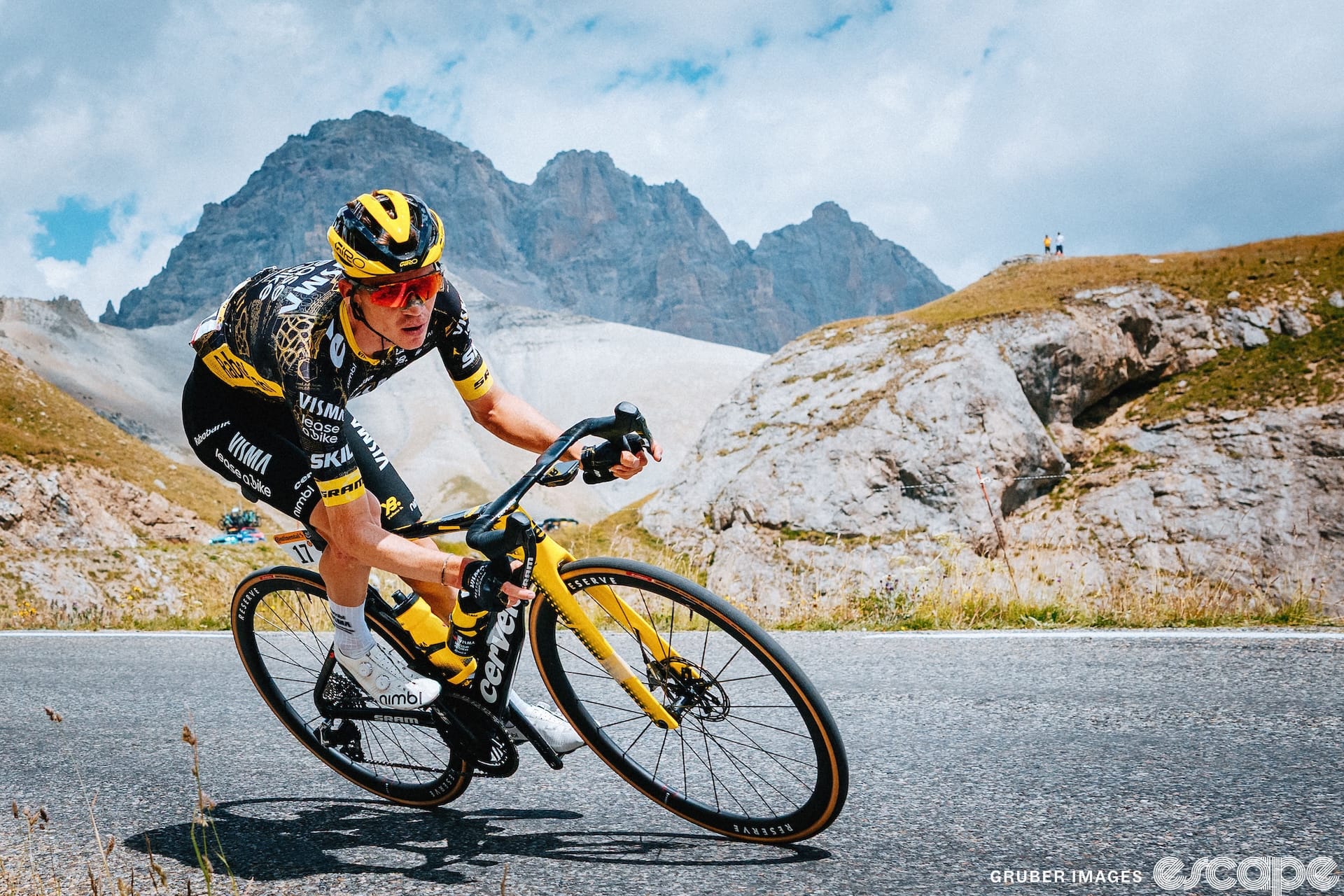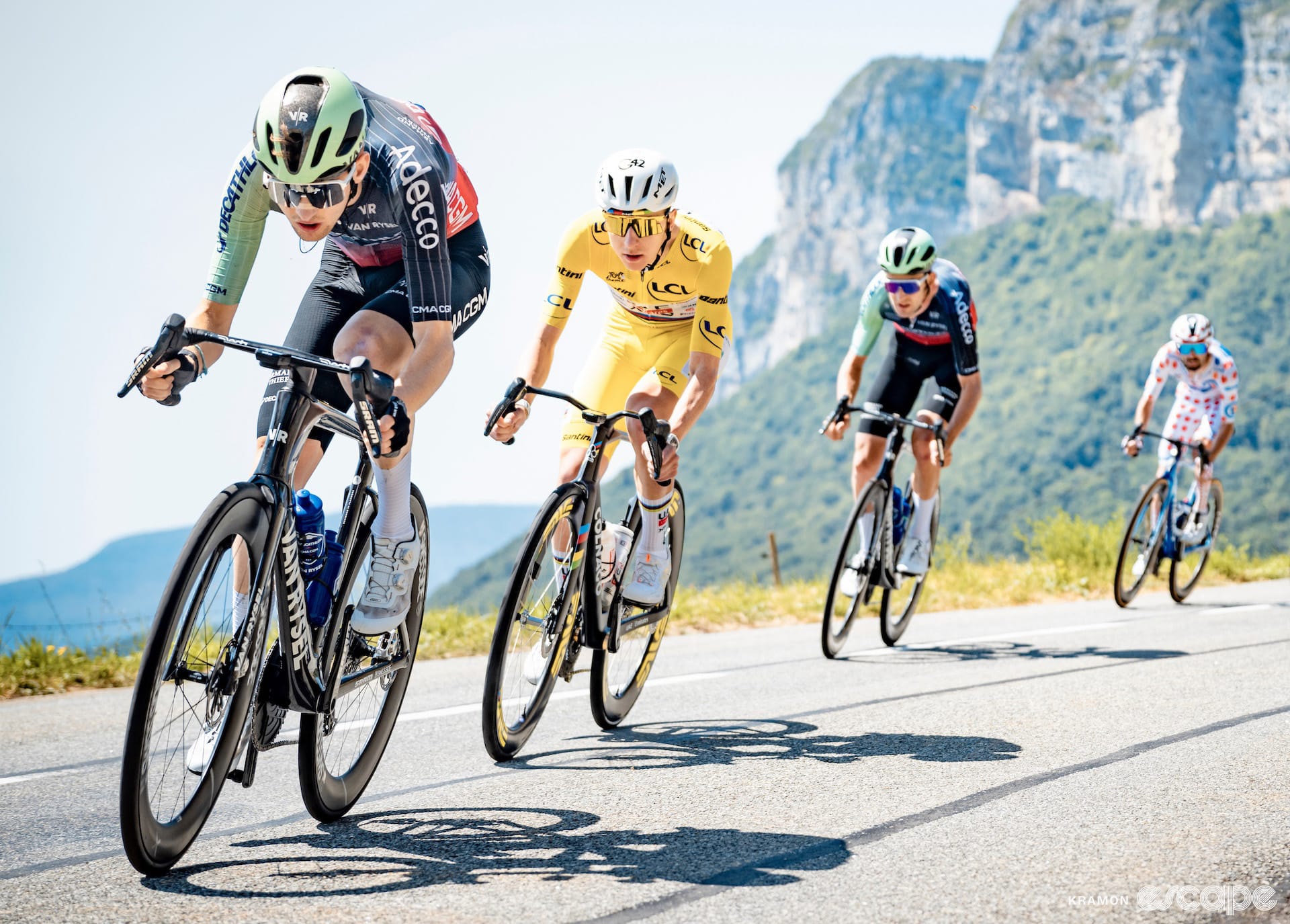


There are two striking and related images that stick out from stage 20 of this year's Tour de France: 19-year-old Paul Seixas and his team demonstrating their "all or nothing" approach to the day on the Col de Sarenne; and the moment 34-year-olds Julian Alaphilippe and Warren Barguil clasped hands as they crossed the line together almost half an hour after the stage winner was crowned.
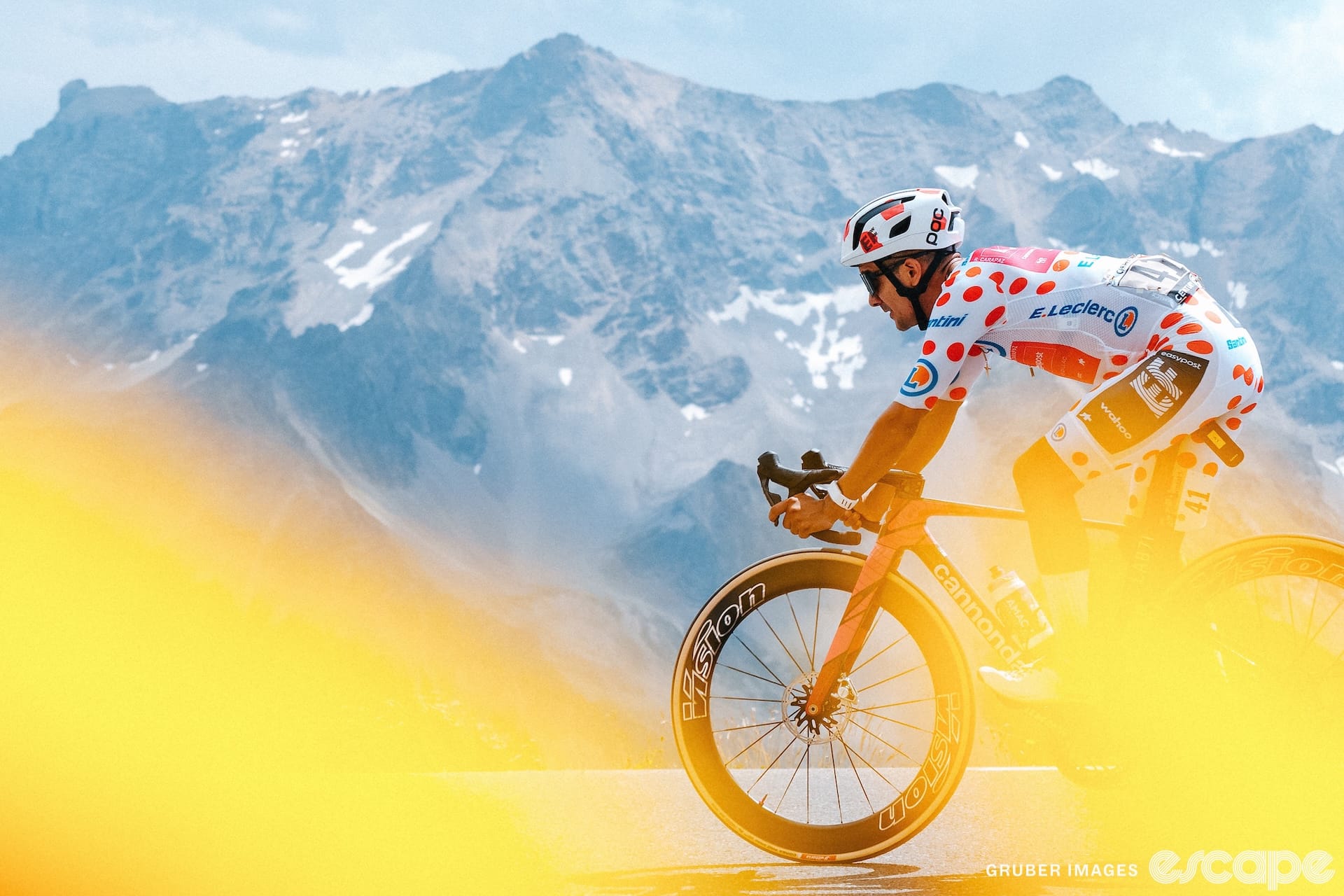
Add to that 23-year-old Lenny Martinez's consolidation of the stage 19 performance that propelled him into the top five, and it's hard to see past the feeling that this is a defining moment in French cycling. That is, one era is well and truly over just as another picks up pace. And just as well, because outside the general classification, and Valentin Paret-Peintre's valiant effort to battle Richard Carapaz for the polka-dots, it's been a troubling Tour for the home nation, which, barring a sensational finale, is set to go winless for the first time this millennium.
 Kit Nicholson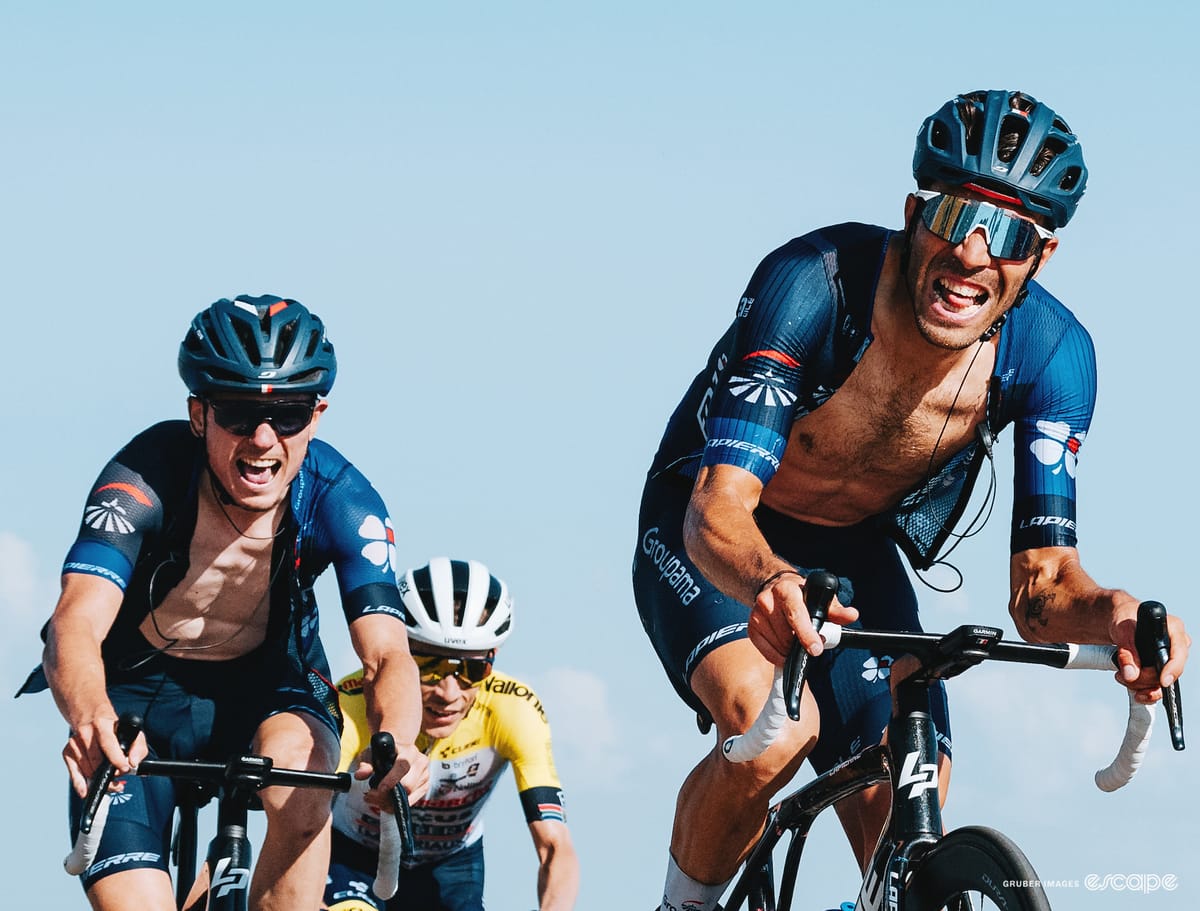
All that said, there’s actually been a particularly rich vein of talent out of France in the past decade and a half. It’s a mark of expectations at home and further afield that 26 years of stage wins and at least one rider in the top 10 most Tours since 2011 is not enough. First there were Thomas Voeckler and Pierre Rolland, then the golden age of young rivals Thibaut Pinot and Romain Bardet, the latter finishing in the top 10 no less than six times and twice on the podium; then came Warren Barguil and Julian Alaphilippe; Guillaume Martin and David Gaudu; Kévin Vauquelin, Jordan Jegat and Lenny Martinez.
And now, Paul Seixas. Who, despite finishing a remarkable fourth at his first Tour, has demonstrated with every passing stage that his own expectations are very much higher.
Did we do a good job with this story?