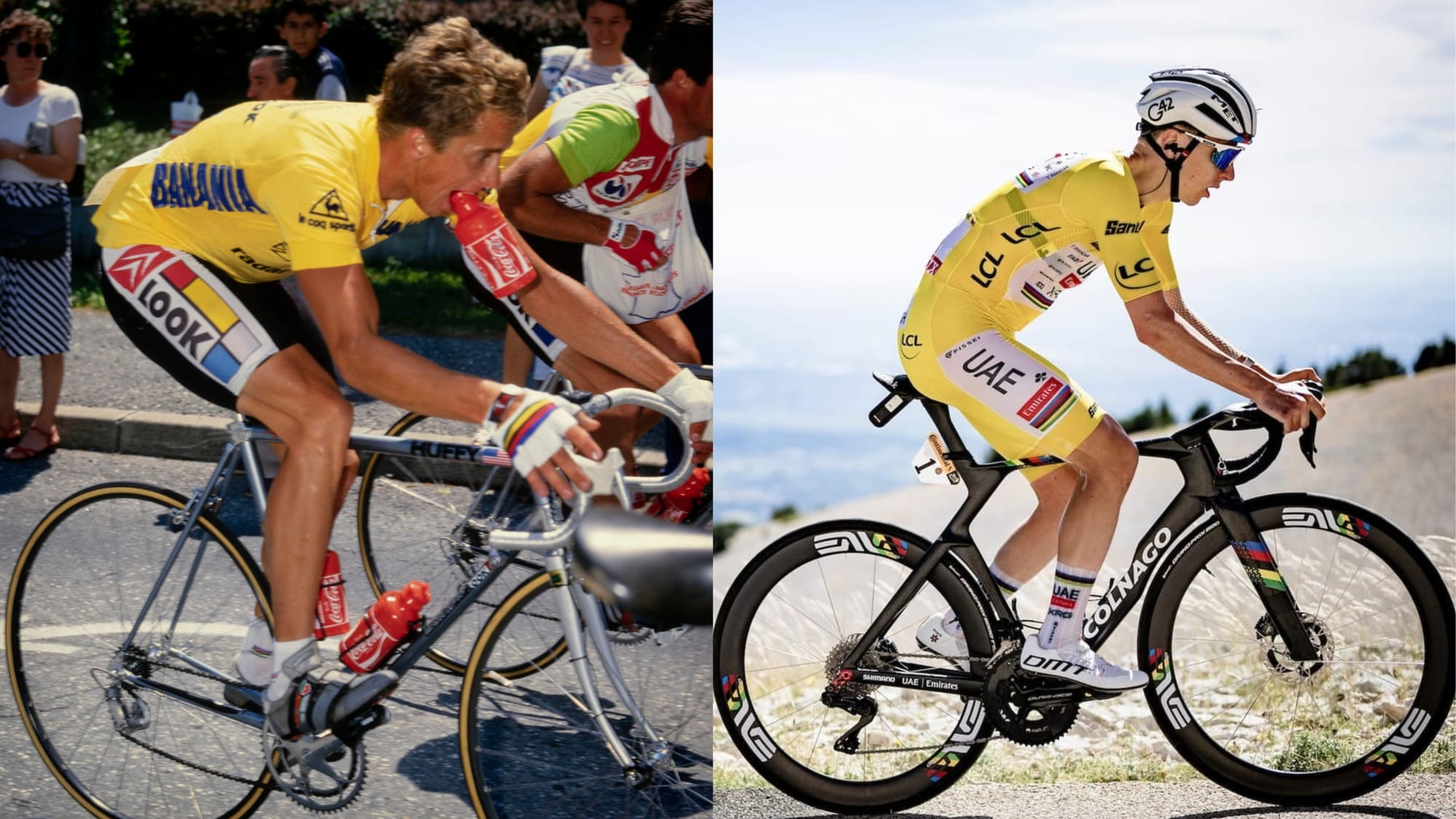

From down tube shifters to electronic drivetrains. From steel to carbon fiber frames. From 21 mm tubular to 30 mm tubeless tires. Bikes have evolved tremendously in the last 40 years, with many iterations along the way. Here's a look back at the last 40 years of innovation and what could be coming next.
1986: Slaying the Badger
After a runner-up ride in 1985, Greg LeMond became the first American rider to win the Tour de France the next season. He would go on to win it two more times, with 1989 being the most iconic. But that '86 Tour was remarkable for its own reasons.
 Iain Treloar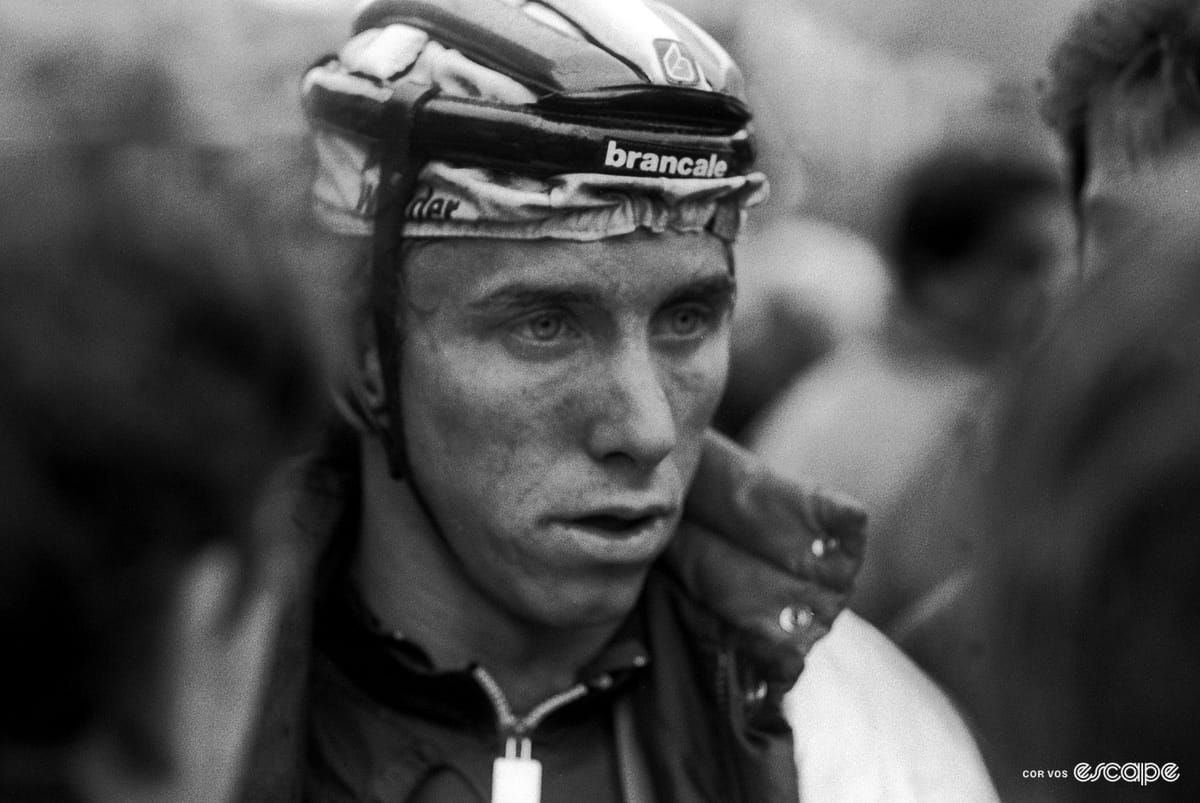
LeMond, the 1983 World Champion, was already well known within the sport, though he wouldn't truly become a star back home until his remarkable comeback win in 1989. Fittingly for a rider known for his technical acumen, the 1986 Tour was also a turning point in bicycle technology. With aluminum and carbon fiber frames elbowing in, the era of the steel frame was nearing the end, as was the down tube shifter era.
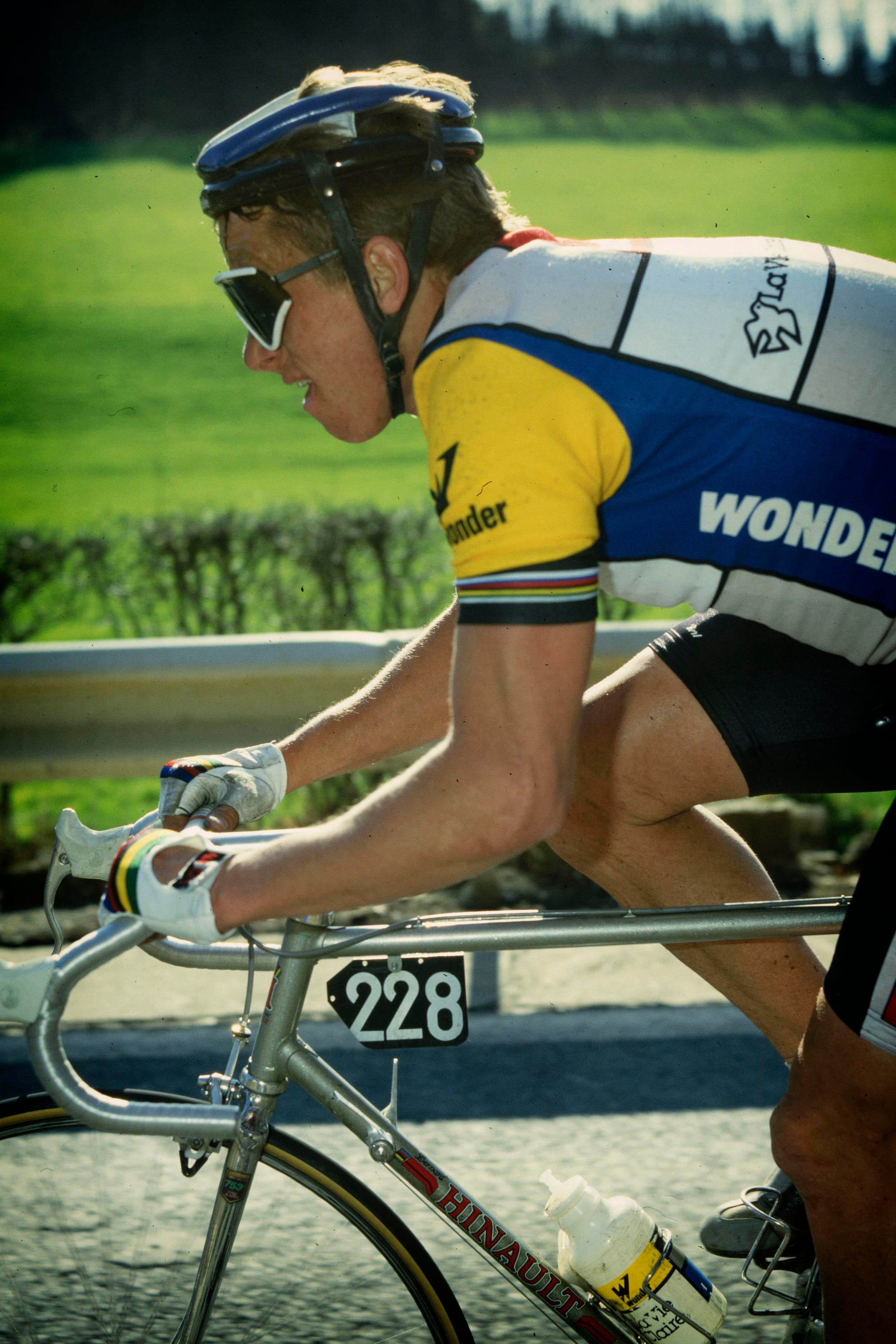
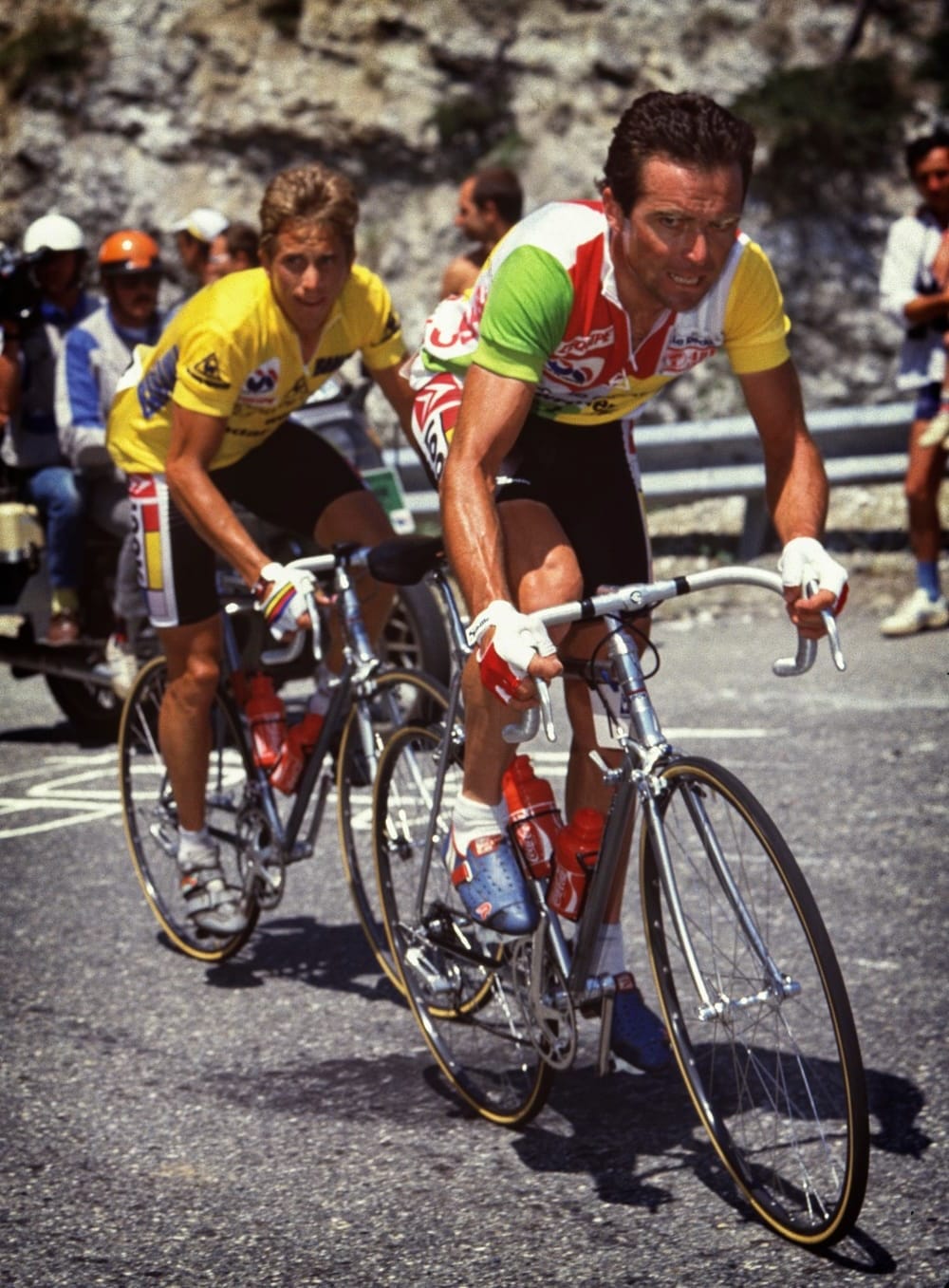
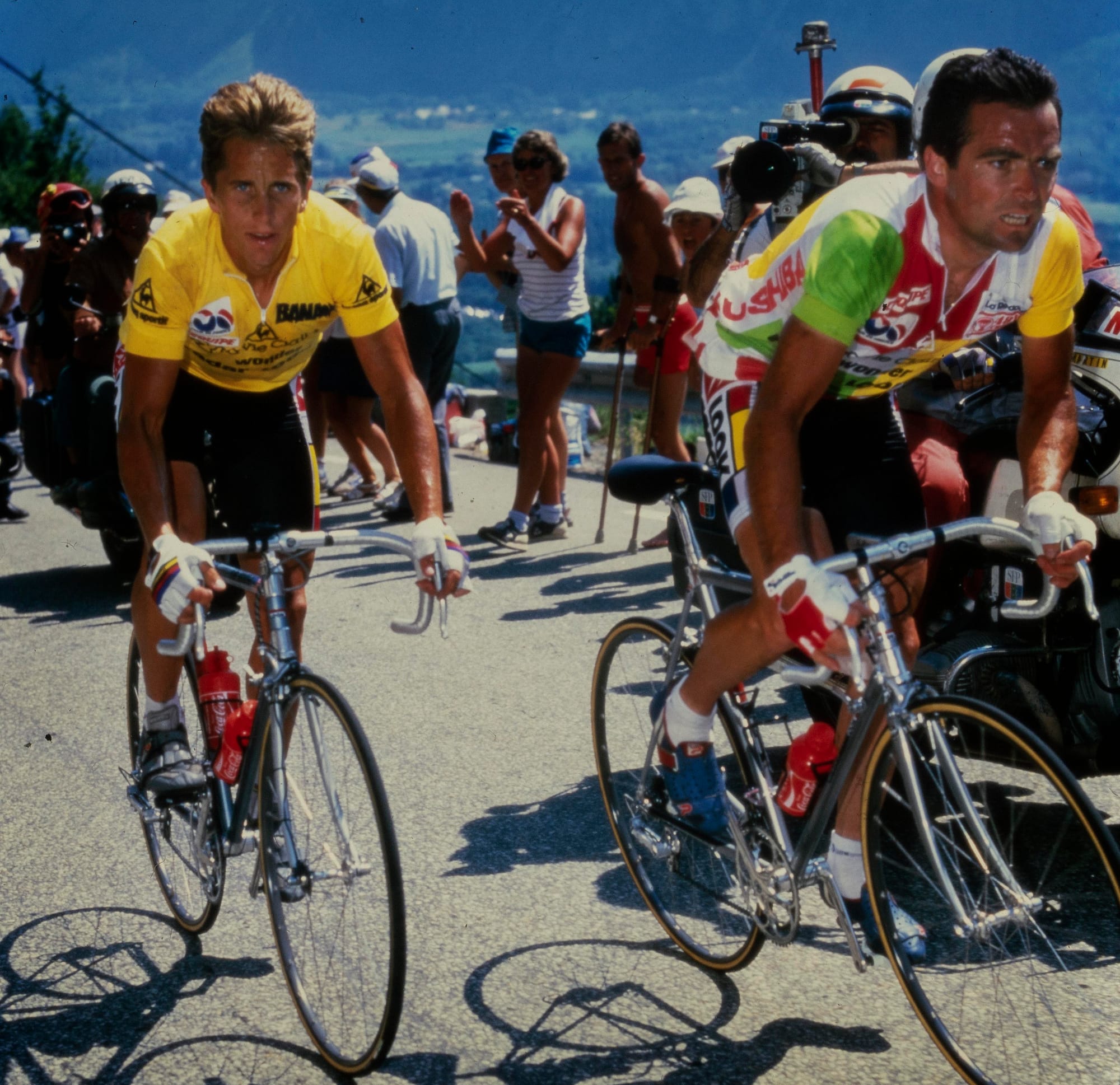
LeMond spent the flatter stages on a lugged steel Look with Hinault's name on the down tube. In the mountains, he and Bernard Hinault used the new carbon KG86.
LeMond’s team, La Vie Claire, rode frames made by the manufacturer Look, rebranded with logos for American brand Huffy and the namesake brand of LeMond’s teammate, Hinault. That year, Look released the KG86: along with Kestrel's 4000, it was the first mass-produced carbon fiber road bike on the market. The frame construction consisted of carbon fiber tubes bonded to aluminum lugs.
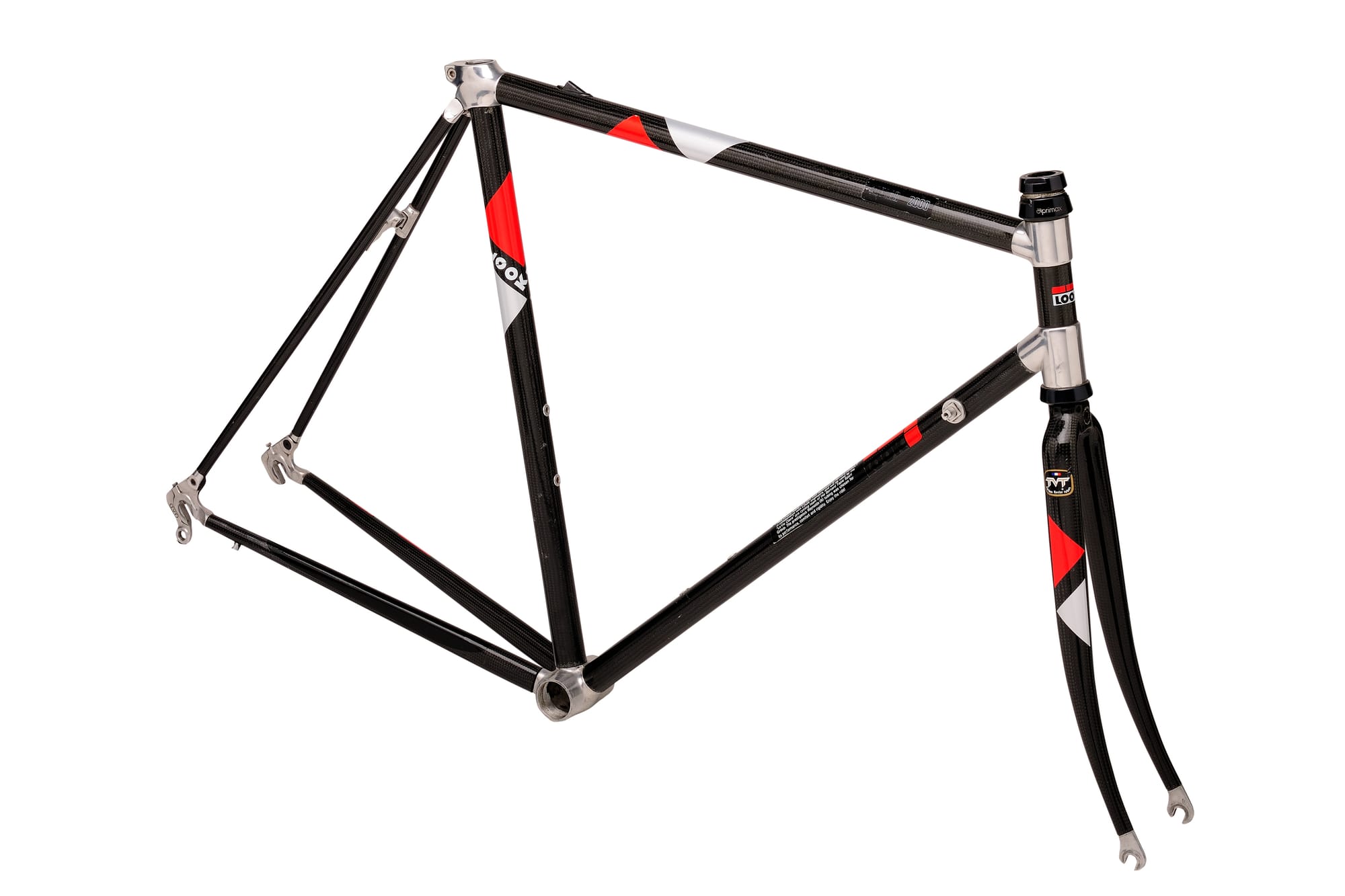
The La Vie Claire team only received a handful of KG86 frames. Select riders, including LeMond, alternated between the Reynolds 753R steel tubing model and the new carbon fiber KG86, depending on the stage.
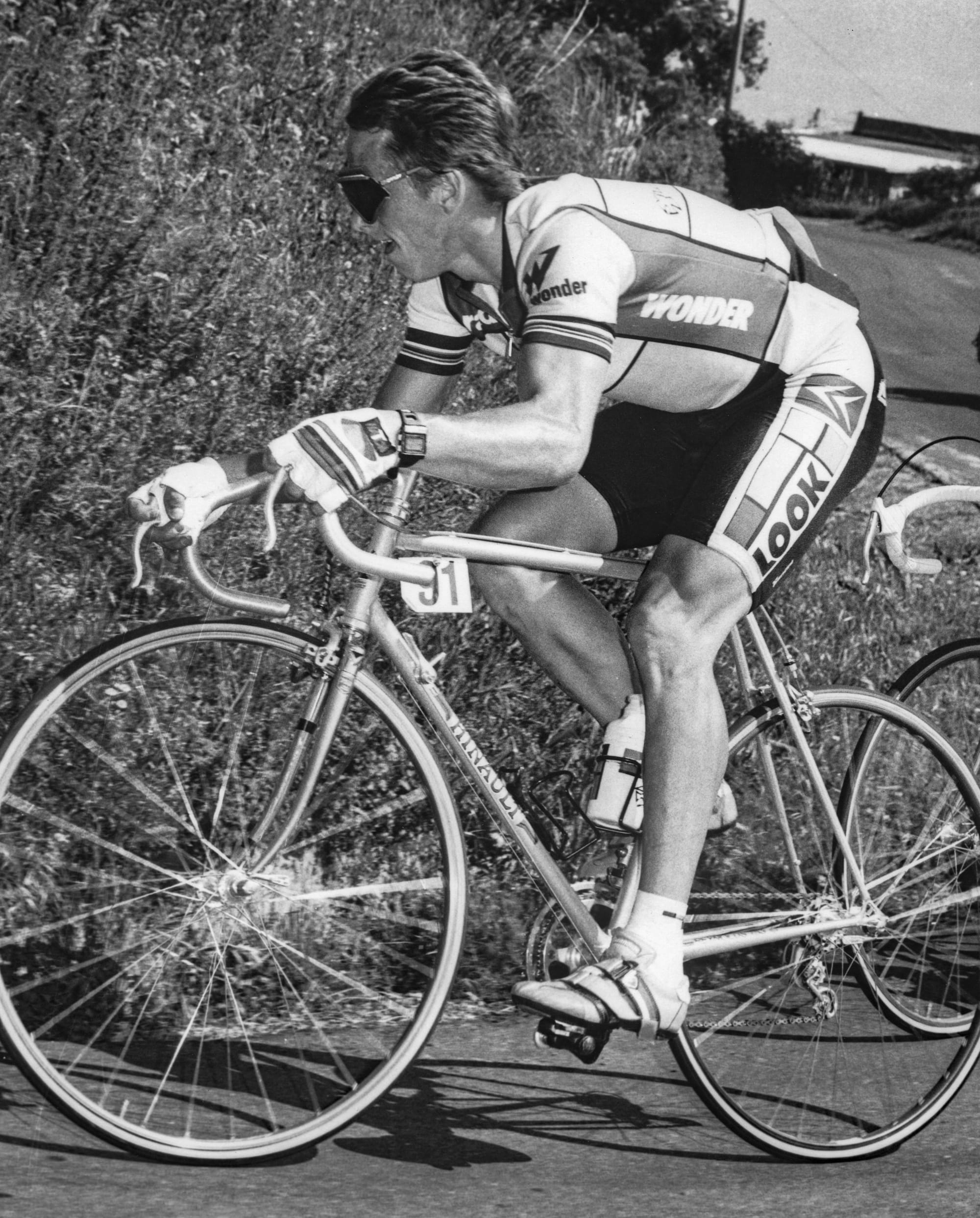
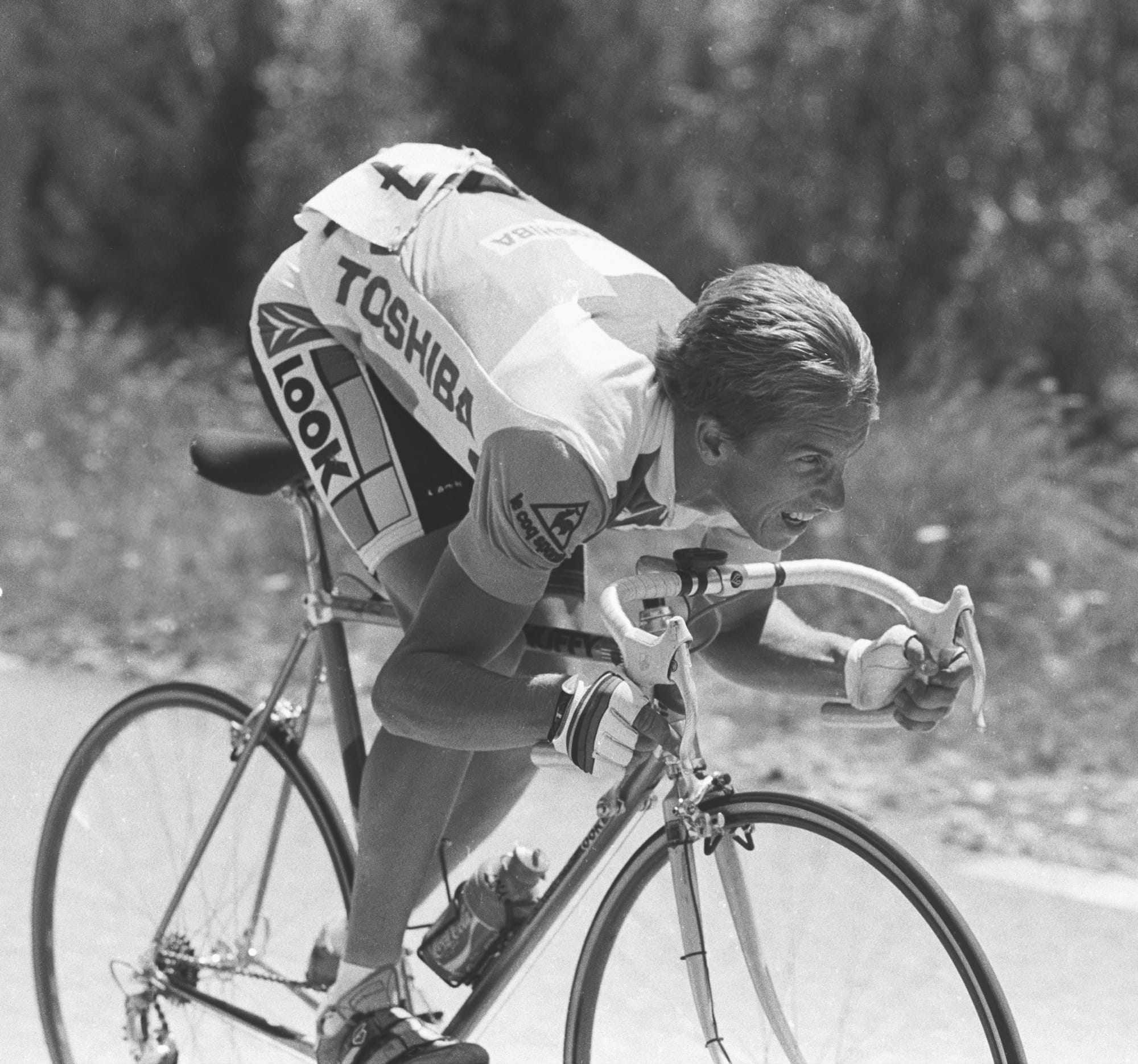
1986: Campagnolo switches to "aero" brake levers with cable routing under the handlebar tape.
The differences are subtle but noticeable at the tube junctions. The aluminum lugs point to the carbon fiber frame with the more prominent Look logo on the down tube.
This was one of the last years that down tube shifters were used. LeMond's 2x7 Campagnolo C Record drivetrain has 53/44-tooth chainrings and a 13-18-tooth freewheel. That’s right – this was before the freehub body and cassette had taken over. That season saw a small shift in aerodynamics for Campagnolo as well: the switch from exposed brake cables that looped into the air above the lever to hidden routing under the handlebar tape.
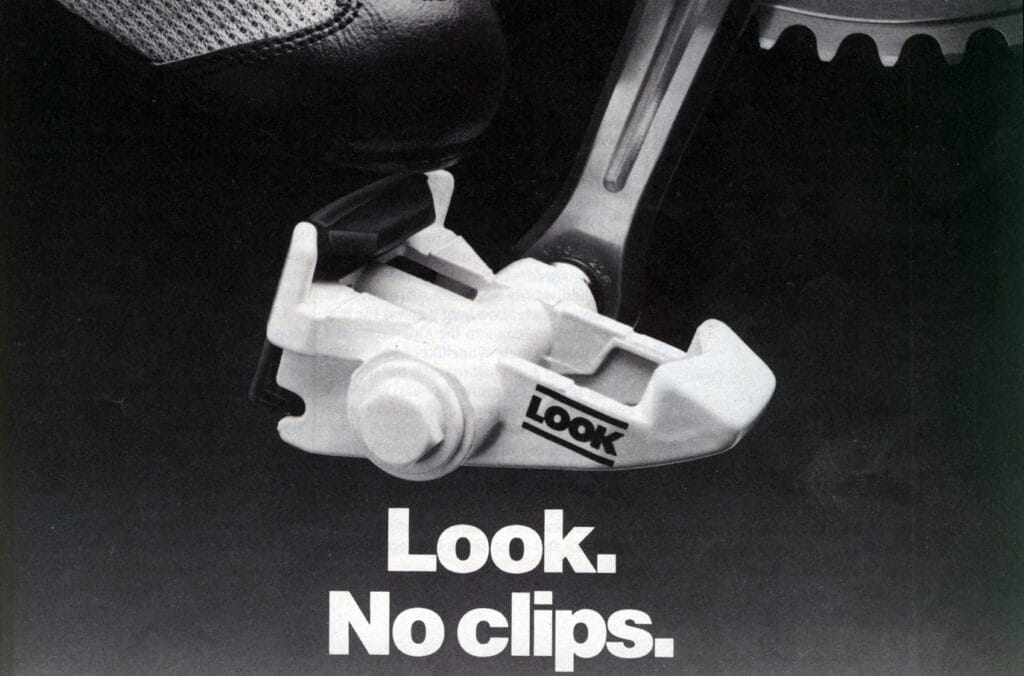
Look, the same brand that manufactured LeMond’s frame, launched the first clipless pedal, the PP65, just two years prior in 1984. LeMond used traditional toeclips and straps in 1985, but rode those first-generation pedals to victory in '86 (Hinault rode the PP65 to the win in 1985).
LeMond’s jersey, a quarter-zip polyester piece, is a far cry from today’s sheer fabrics and aero standards. In 1986, helmets were not mandatory, but LeMond wore a leather hairnet helmet on flatter stages, and a full aero helmet for the time trials.
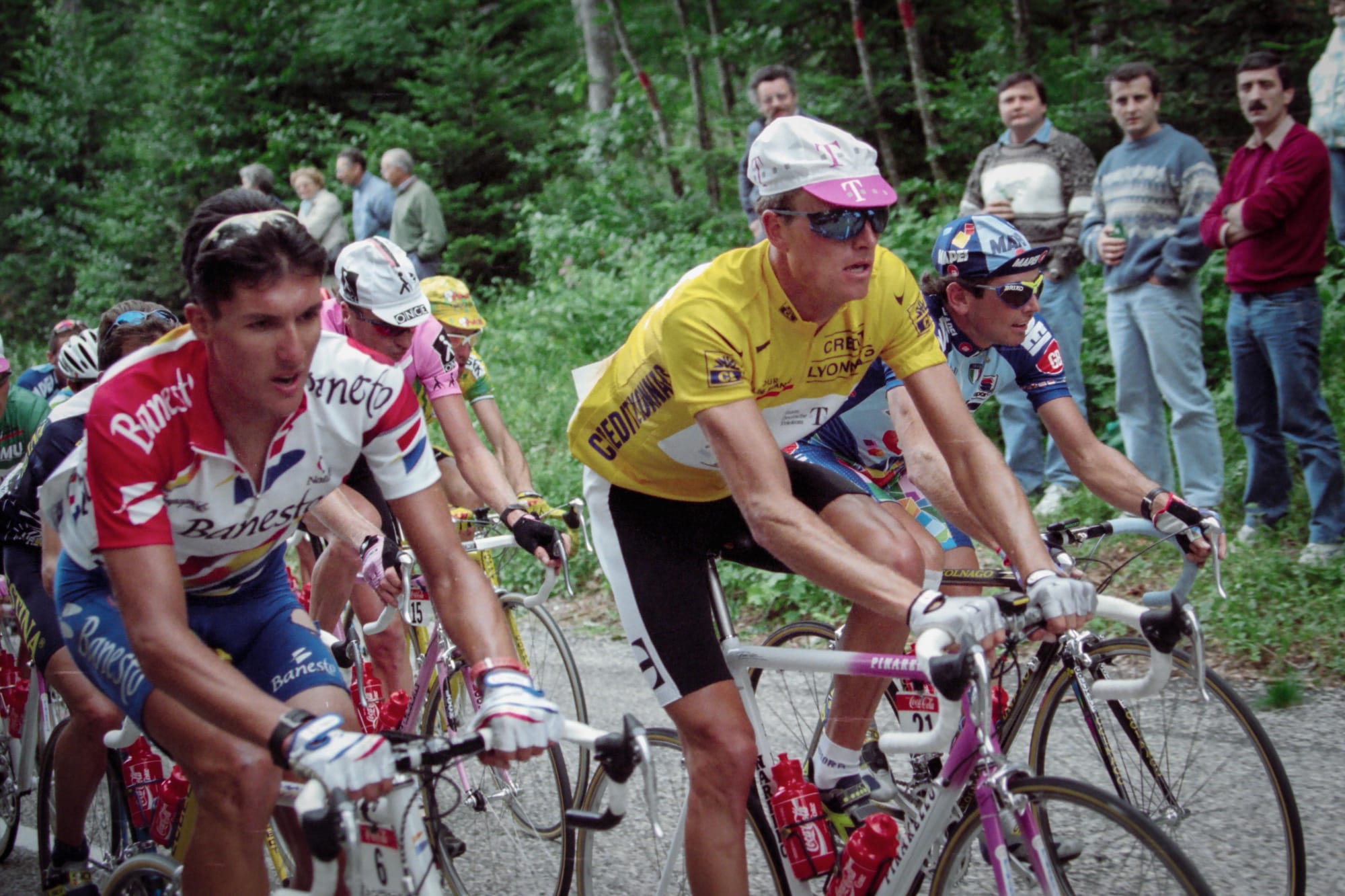
1996: 'Riis'ing to the occasion.
Did we do a good job with this story?