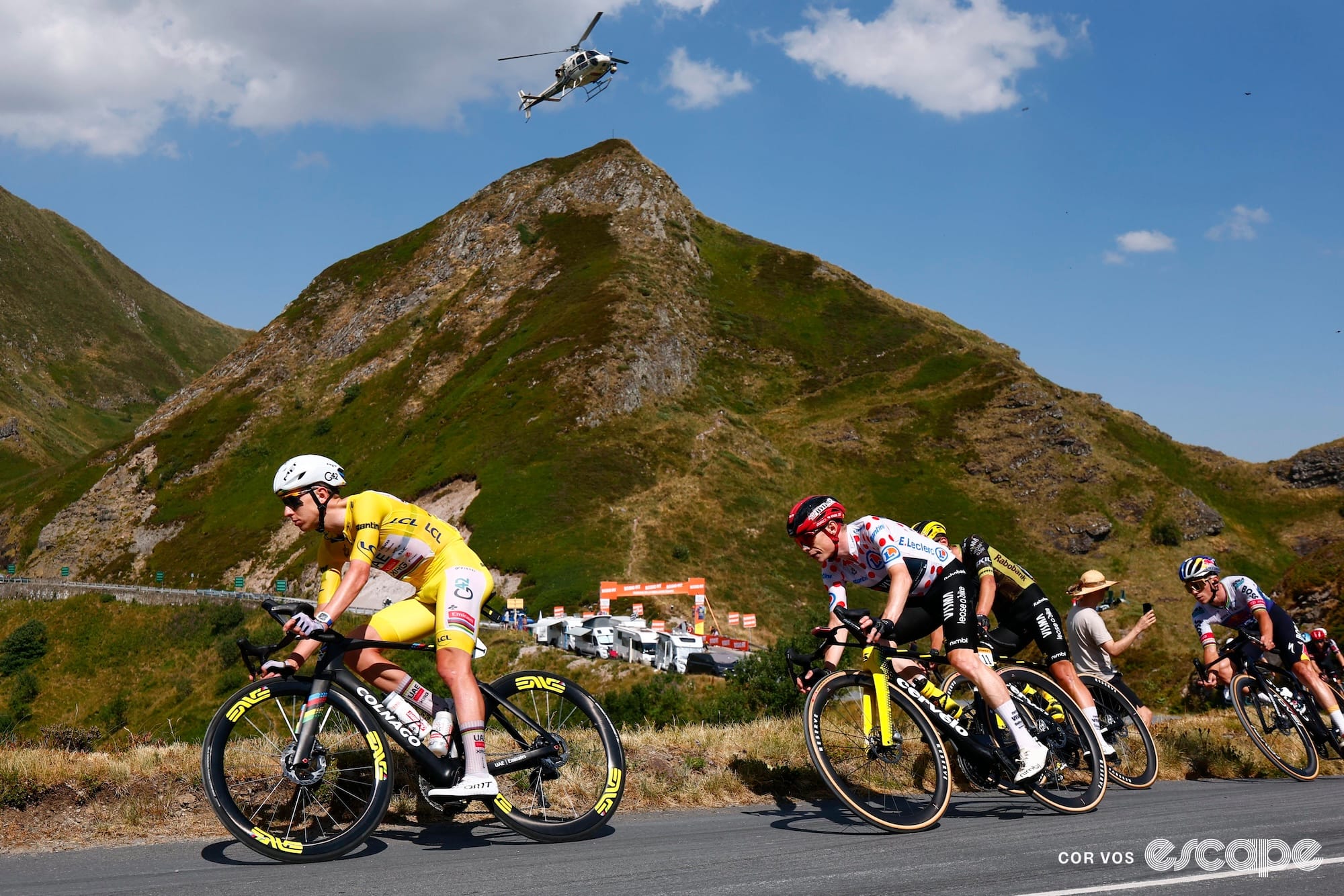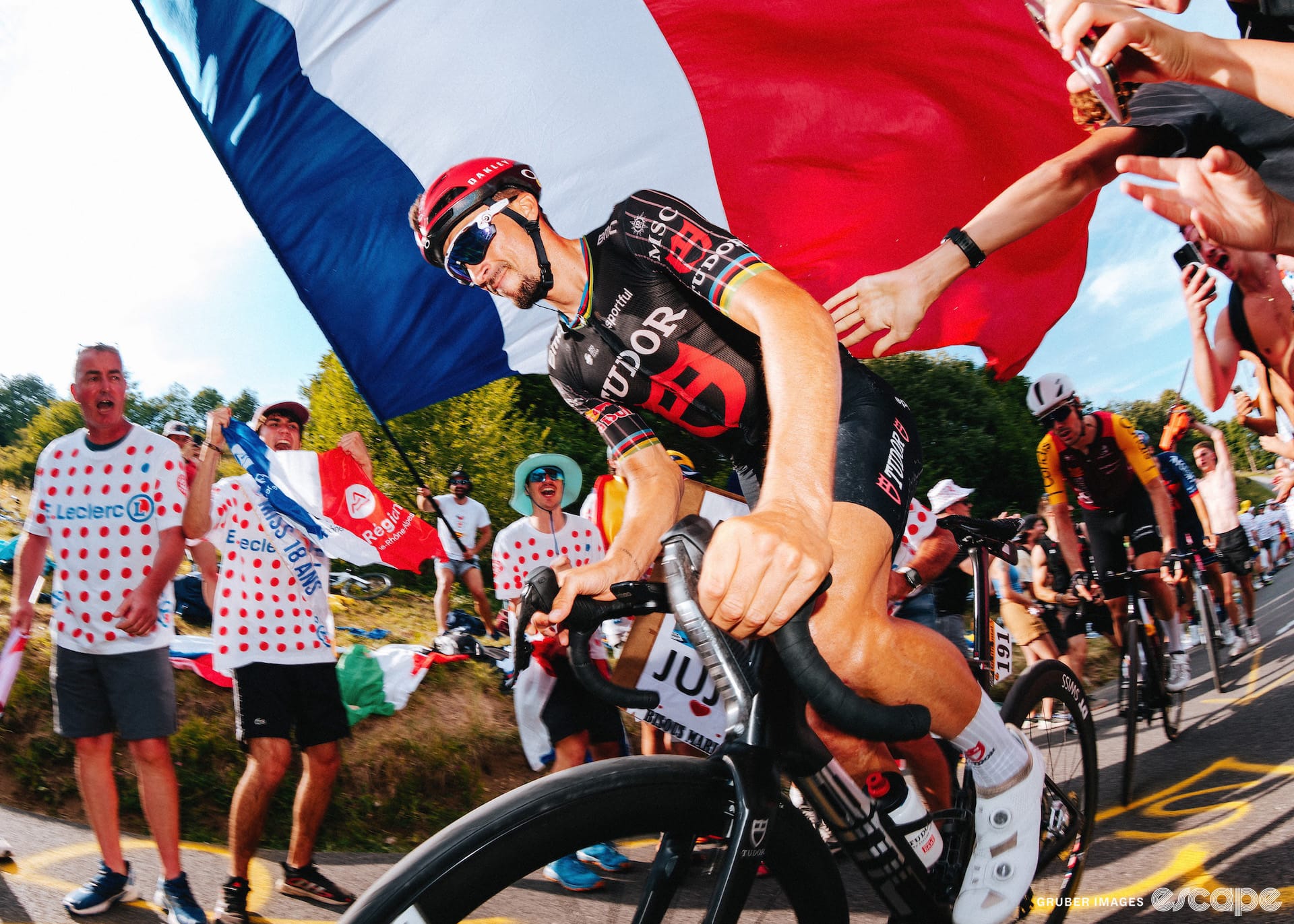


The Souvenir Henri Desgrange at the 2026 Tour de France, designating the race’s highest point, sits at 2,642 metres atop of the mighty Col du Galibier on stage 20. When the Tour ascends so high into the mountains, the best riders make the difference where the air is thin and oxygen at a premium.
Outside of France, the racing calendar is also thin in July as the Tour sucks the world’s attention. However, one race goes against the grain - in more ways than one.
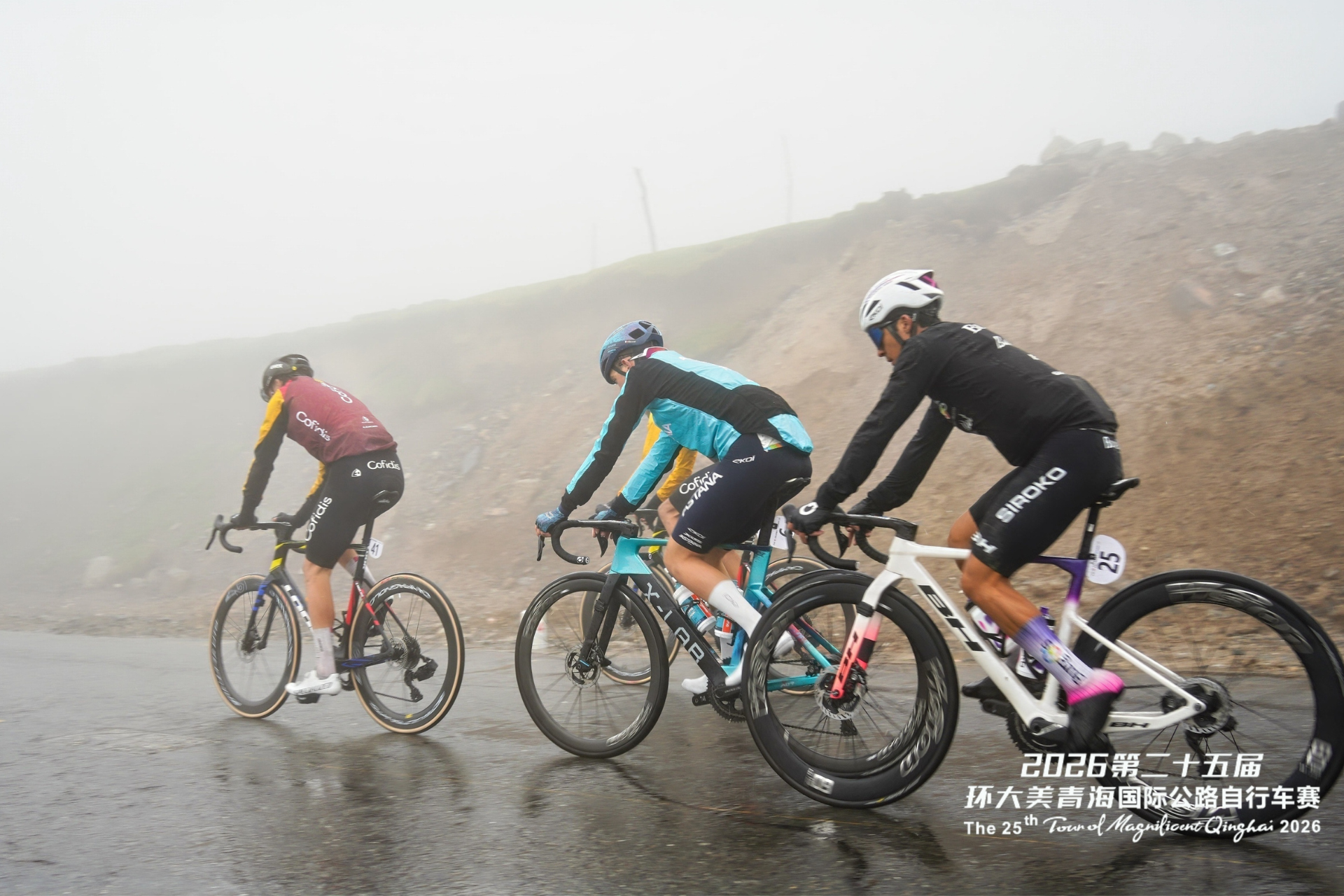
The Tour of Magnificent Qinghai (previously known as the Tour of Qinghai Lake) has taken place concurrently with the Tour de France since 2002, for most of that time as a UCI event ranked just one step below the WorldTour.
There is no race on the calendar like the Tour of Magnificent Qinghai. It’s regarded as the world’s highest race. While the Tour peaks at 2,642 metres — European racing’s highest point in 2026 — Qinghai never dips below 2,300. Most of the race is over 3,000 metres high, with a peak just over an eye-watering 4,000 metres on the penultimate stage of the 2026 route, as the course climbs over Tongbaoshan mountain.
 Dan Challis
The Tour of Magnificent Qinghai takes place on the Tibetan Plateau: earth’s highest and largest plateau, often referred to as the ‘roof of the world’. This geological wonder covers 2.5 million square kilometres across four countries — China, Nepal, India and Bhutan — with the Himalayas to the south and China’s Kunlun mountain range to the north. The Tibetan plateau is home to the highest road in the world, the Mig La Pass near Ladakh, India, which tops out at 5,913 metres. (The Trans-Himalaya Race is the only other professional race to rival Qinghai's altitude, taking place a few hundred miles to the south, also on the Tibetan Plateau.)
All things considered, the Tibetan Plateau is a crazy place to stage a bike race, with not only the altitude to contend with, but also drastic changes in weather patterns, as experienced by the peloton of the 2026 edition of the Tour of Magnificent Qinghai.
Did we do a good job with this story?