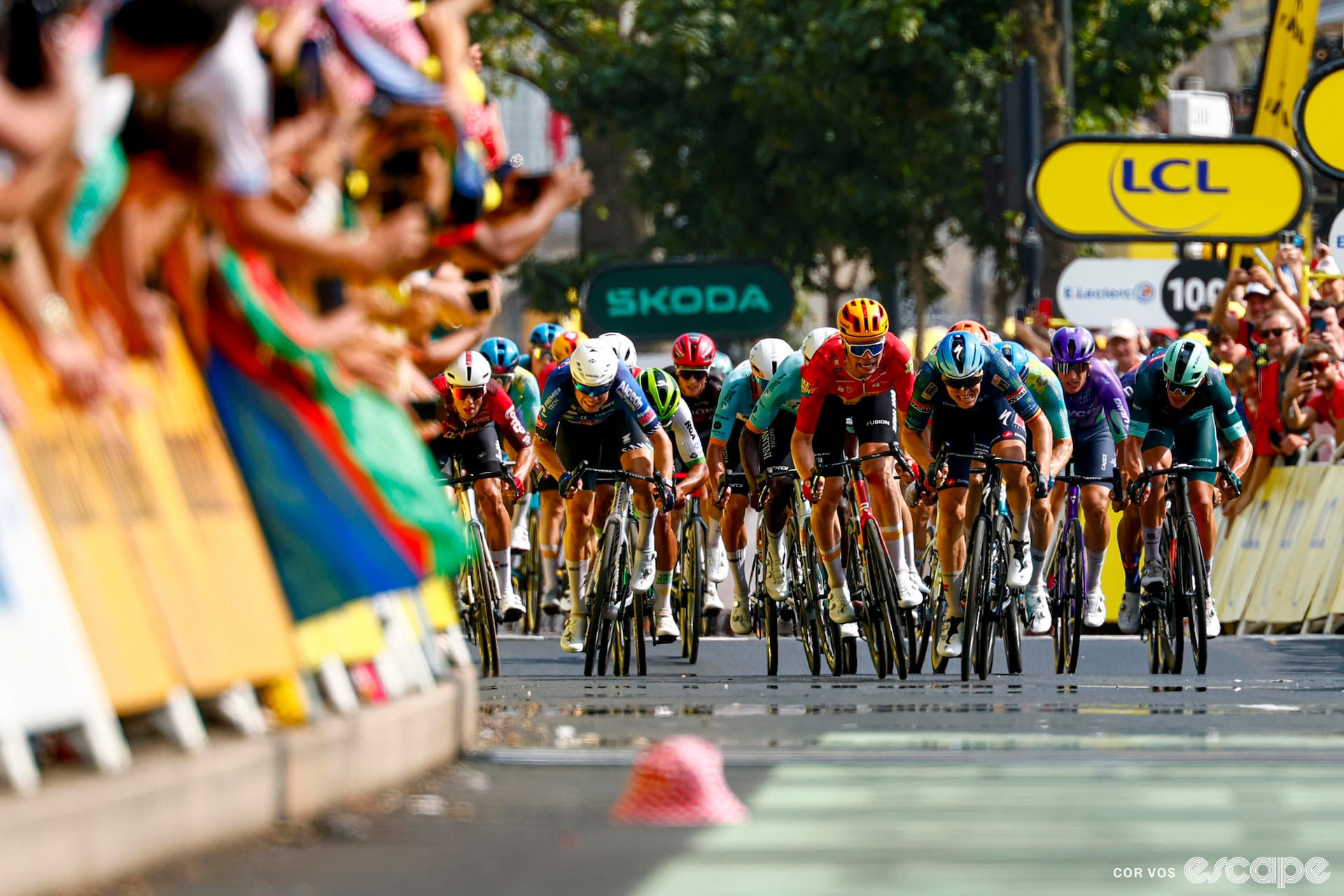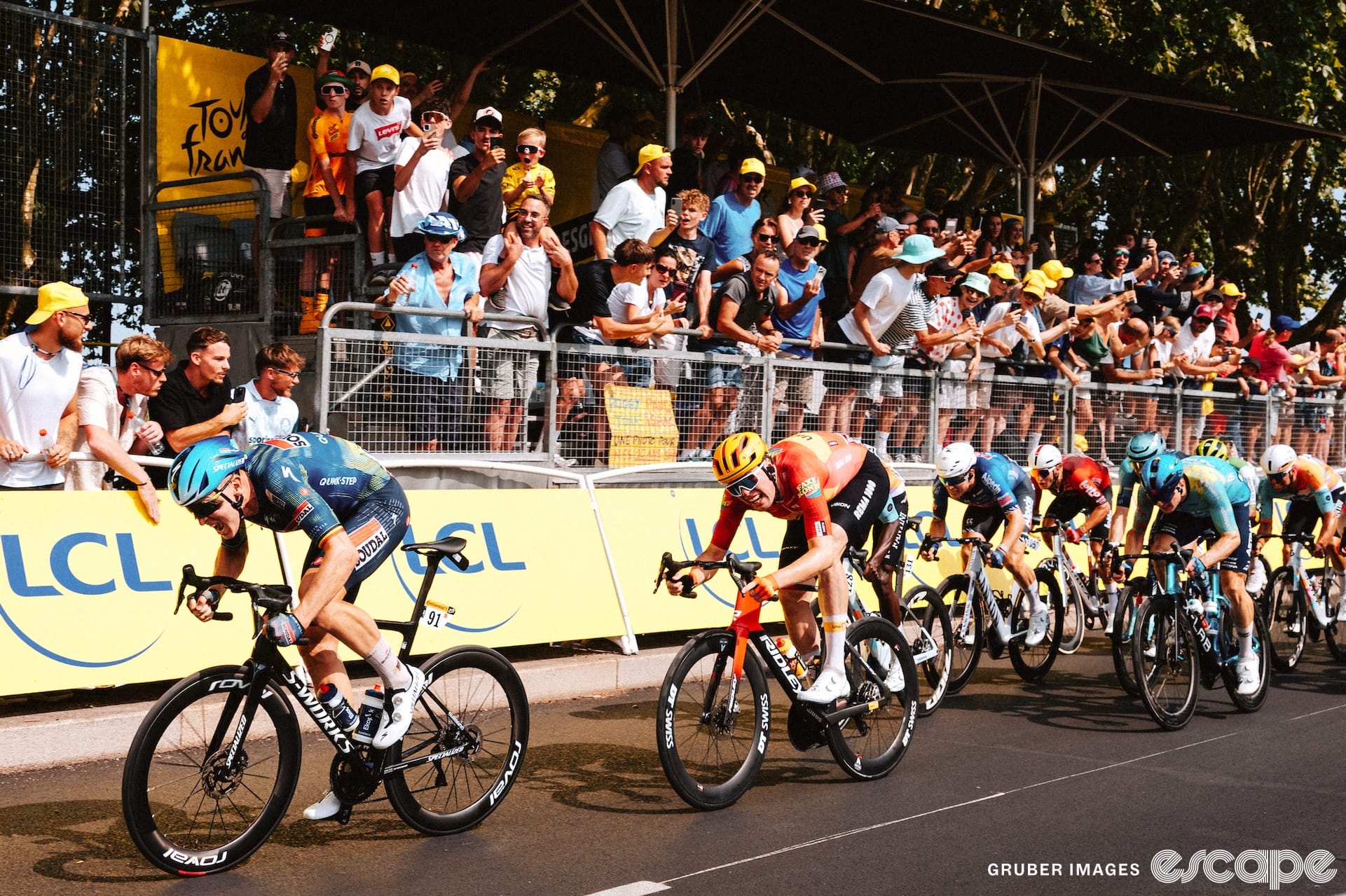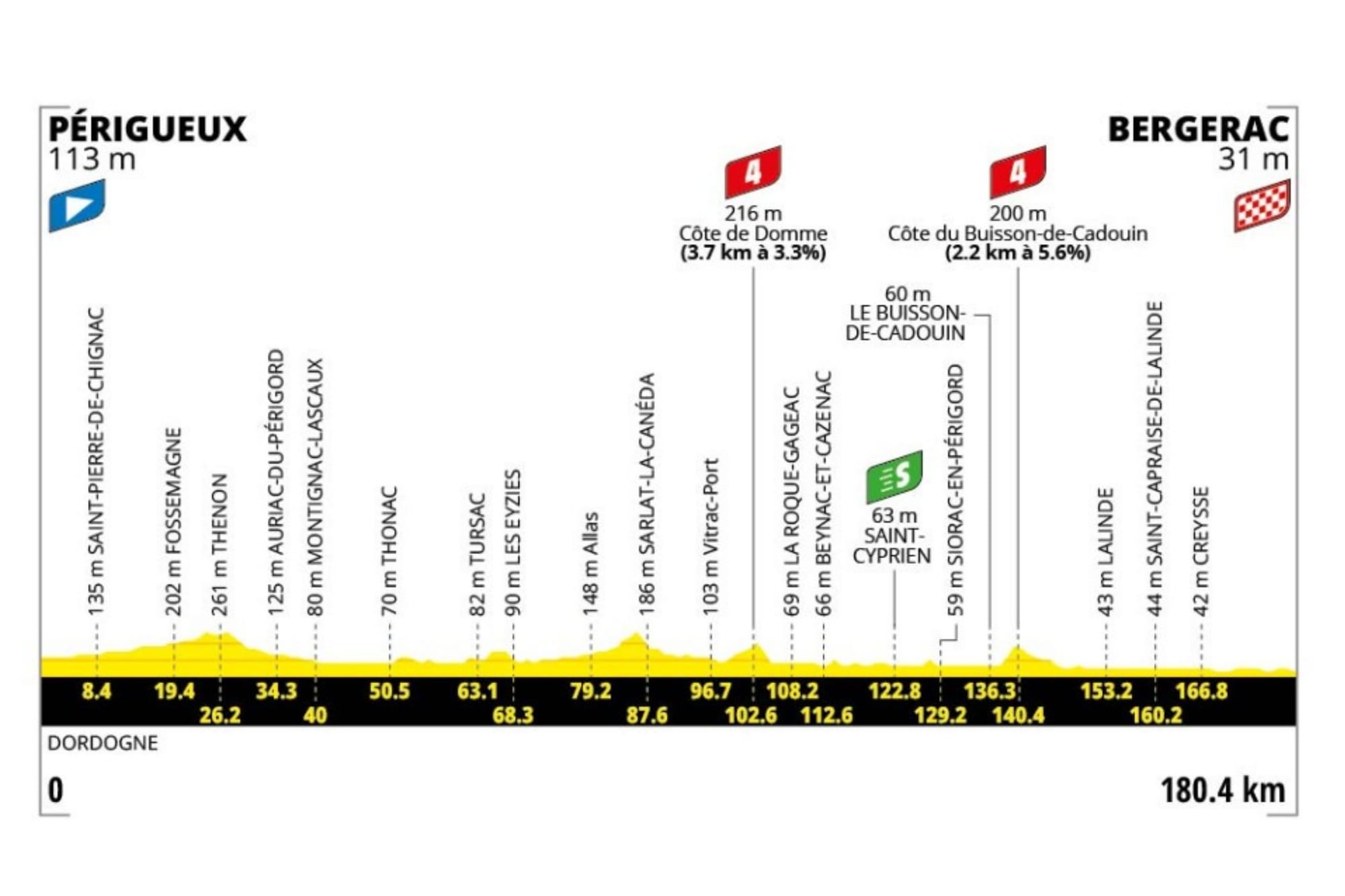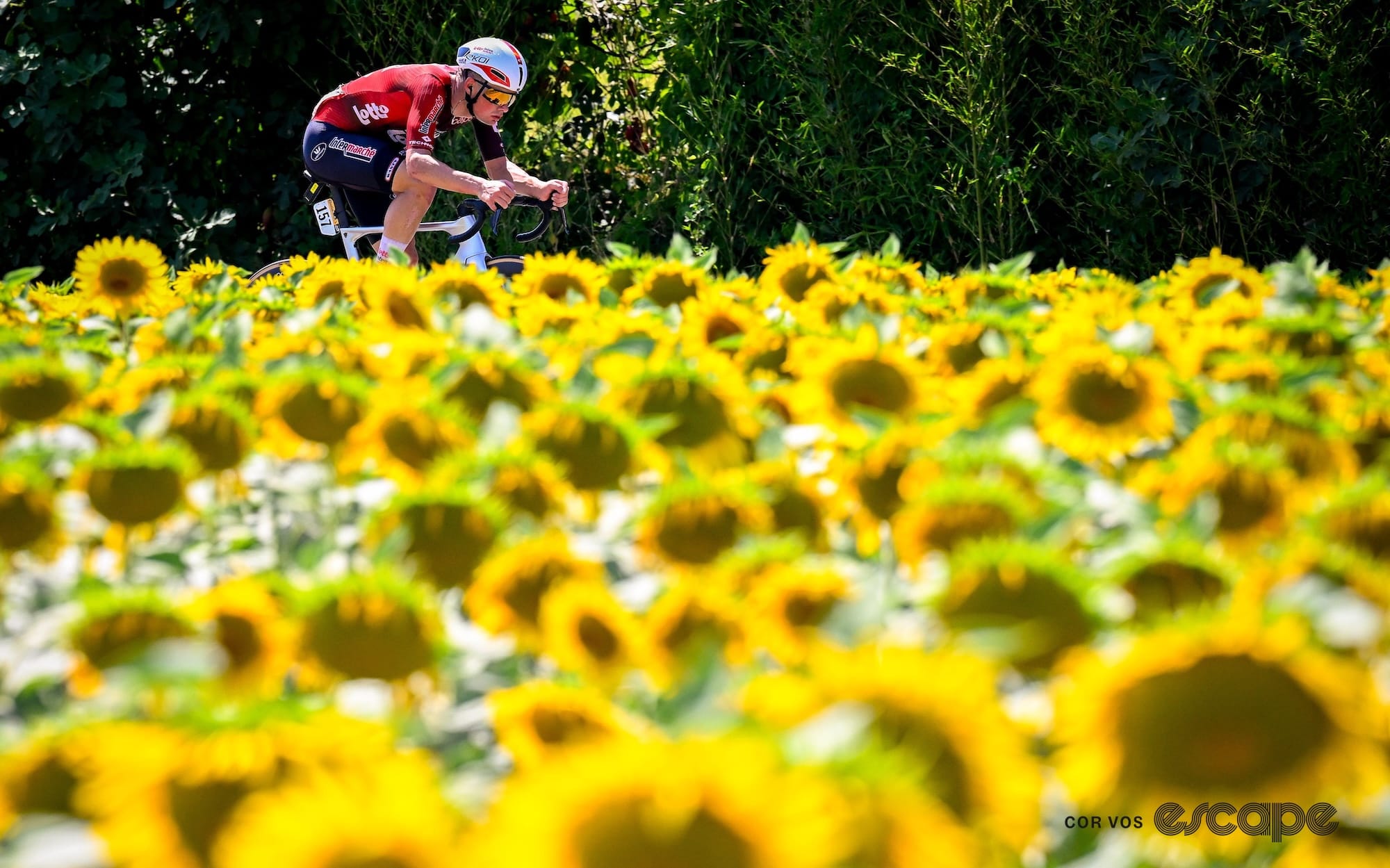


On July 8, 2026, in a feat that will almost surely be lost to the annals of history, Baptiste Veistroffer — a relatively unheralded cyclist for the as-of-late unaccomplished team of Lotto-Intermarche — broke free from the peloton on Stage 5 of the Tour de France and rode alone in a breakaway for just over three hours and just under one hundred miles. The stage, which took cyclists from Lannemezan to Pau, was flat and hot. Temperatures hovered near 100 degrees. There appeared to be no shade. Riders rode through the seemingly burnt landscape of France under a high, colorless sun alongside tall, colorless grass. At the stage’s onset, Veistroffer launched a 1500-watt attack that broke him free from a peloton of 181 riders. No one joined him. Not a single person. Perhaps they did not want to suffer in such a way. Veistroffer labored alone for miles, dangling three minutes ahead of literally the entire field, until, approaching the finish, he was swallowed up by the peloton the way the world's biggest whale swallows the world’s smallest shrimp. He finished 112th on the day.
One could argue that Veistroffer’s solo attempt on stage 5 had perhaps the lowest chance of success of any breakaway attempt in history. One study, which analyzed stages across six different Tours, put the odds of a breakaway winning any stage at 27 percent, which put the average odds of any given breakaway rider winning at 2 percent. These odds are already low, but they get even lower when you consider the circumstances. Breakaways have a higher chance of success on hillier stages than flat ones. They tend to win when the breakaway group is composed of 16 or more riders. Veistroffer made his breakaway attempt without any company on one of the flattest stages of the Tour. Though every breakaway technically has a nonzero chance of winning, Veistroffer’s chance of winning was as close to zero as you could possibly get.
Did we do a good job with this story?