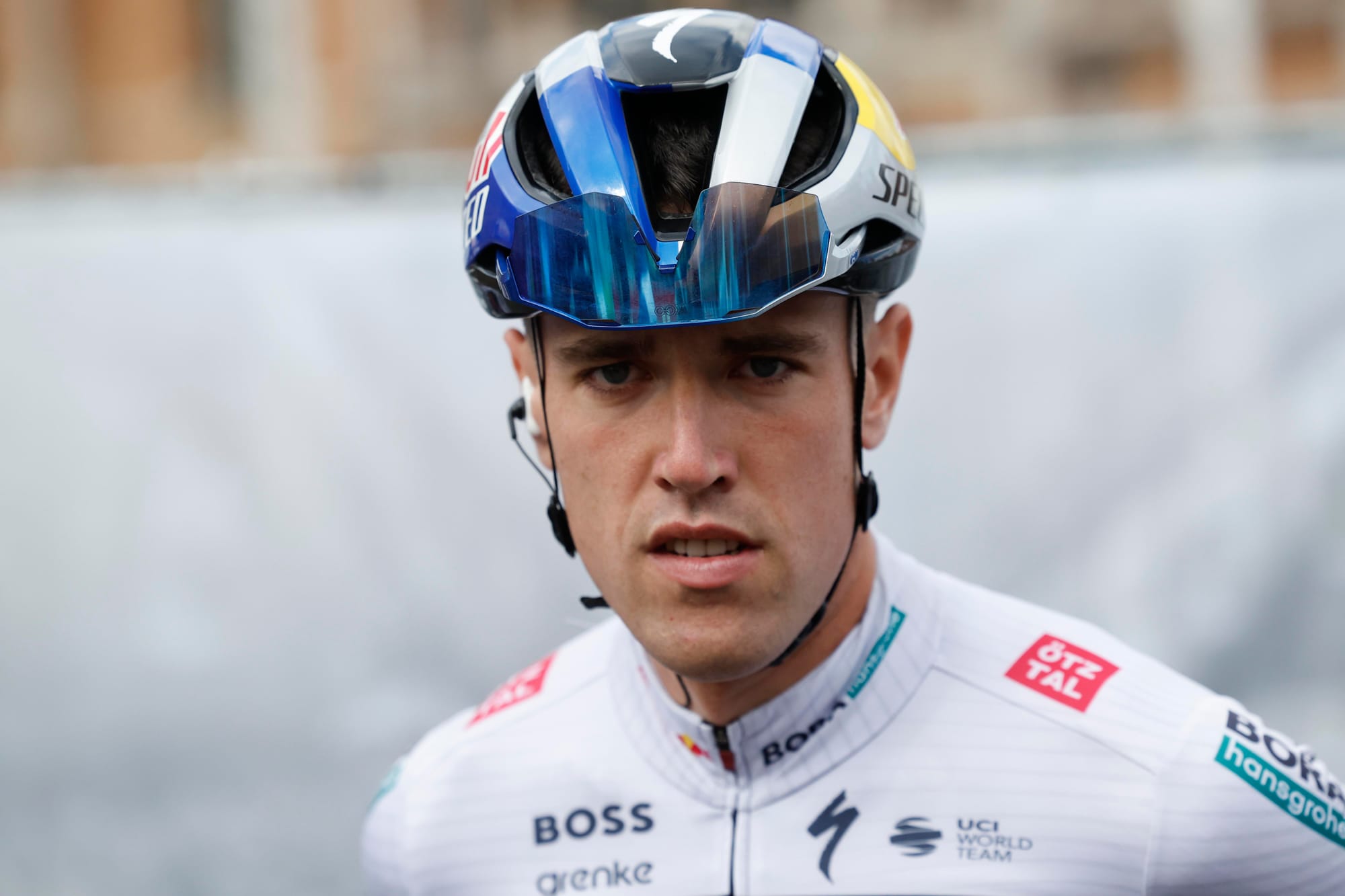


It has been a question on many people’s lips in the last few months: where is Oier Lazkano?
The Spanish Classics specialist has not raced since Paris-Roubaix in April, with no information given by his Red Bull-Bora-Hansgrohe team as to what might be behind his extended break from competition.
On Thursday, the UCI finally provided an answer. The Basque rider, soon to be 26, has been provisionally suspended “due to unexplained abnormalities in his Athletic Biological Passport (ABP) in 2022, 2023 and 2024.”
During those three years, Lazkano was riding for Movistar, during which he picked up seven wins, including a victory in the road race at the 2023 Spanish national championships. He joined Red Bull on a three-year contract at the start of this season, but has since been fired from the team.
“We confirm that Oier Lazkano will no longer be part of our team,” a statement read.
Escape Collective has put together this guide to understanding how the ABP works and what Lazkano’s case tells us about the wider anti-doping landscape in cycling.
What is the Athlete Biological Passport?
Often dubbed the "blood passport" or given its initials ABP, it has been used in cycling since 2008 as a way of indirectly detecting possible anti-doping infractions. The nickname "blood passport" isn't accurate, as the passport is a record over time of an athlete’s key biological markers, which are not strictly drawn from blood samples.
Did we do a good job with this story?