

The Tour de France is the pinnacle of professional road cycling; it is both a test of human physiological limits, optimisation of equipment, aerodynamics and bike fit. Entire seasons, even careers, are built around these three weeks in July, with teams investing millions of dollars to arrive with the best chance of winning a stage, a classification, or the overall title.
This has inevitably created an arms race where teams seek out anything that could offer even a fractional performance gain – for instance, who in the mid-2000s knew how important sock design would become? Today athletes are sent away to high-mountain altitude camps for weeks at a stretch, often arriving at the Grand Départ having spent more time with teammates than with family. Heat sessions are an essential component, along with gut training to allow for ultra-high carb consumption during races and psychological development to prepare for the stress of racing one of the toughest races on the calendar.
Given the level of investment that pro teams pour into their athletes, and the cutting-edge resources and technology they have access to, it would be natural to assume that compared to even the most dedicated amateur riders, the gap from the best amateurs to the pros must be steadily growing. After all, a $50 million budget has to be making some difference, right?
To answer this question, I looked to one of the few opportunities where you can almost directly compare professionals and amateurs: L’Étape du Tour, which each year places thousands of amateur riders on the route of one of the Tour's hardest stages. It’s not an exact apples-to-apples comparison, as the pros typically arrive at the stage in question with almost 3,000 km of racing in their legs, but, for the most part, this element remains constant year on year.
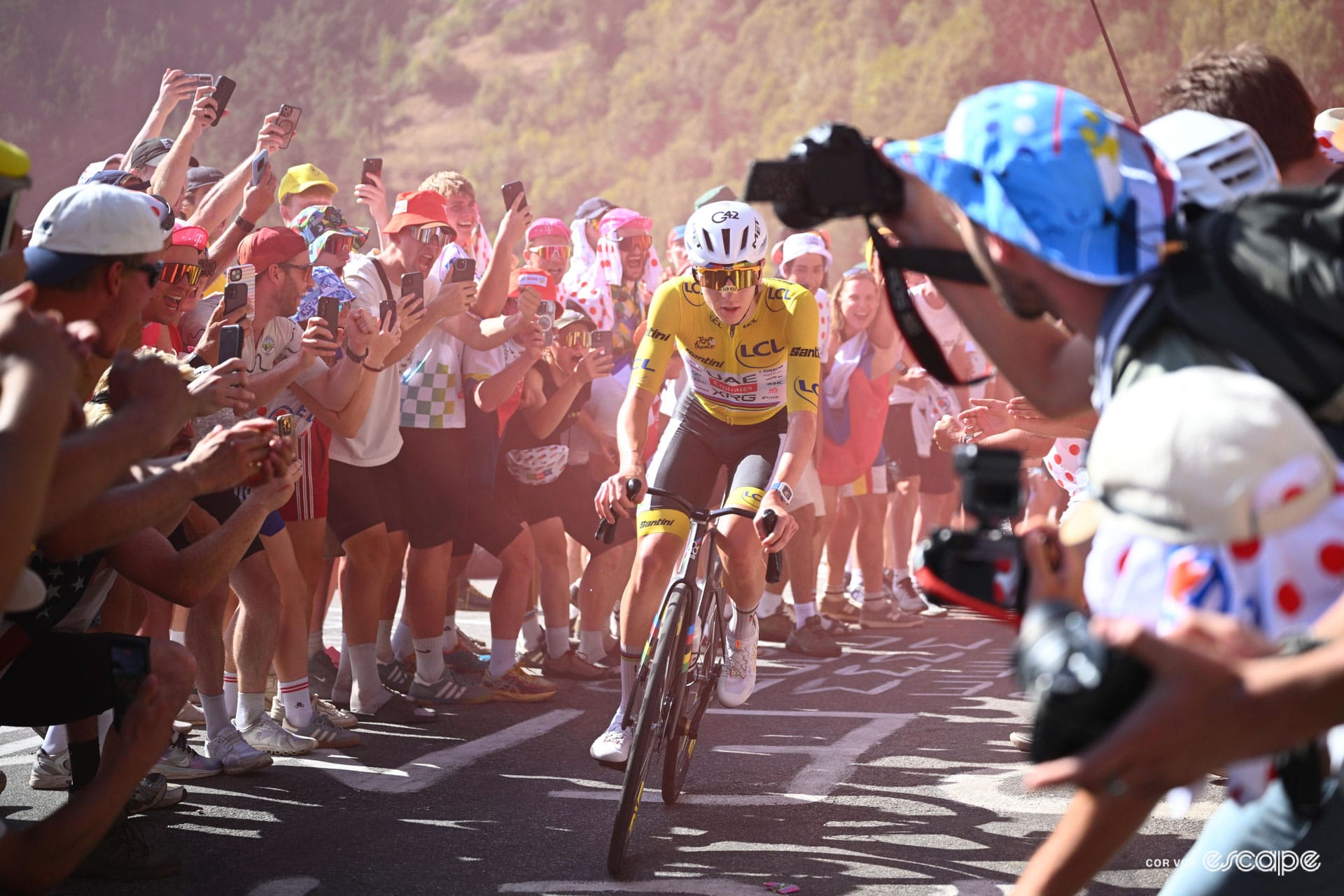
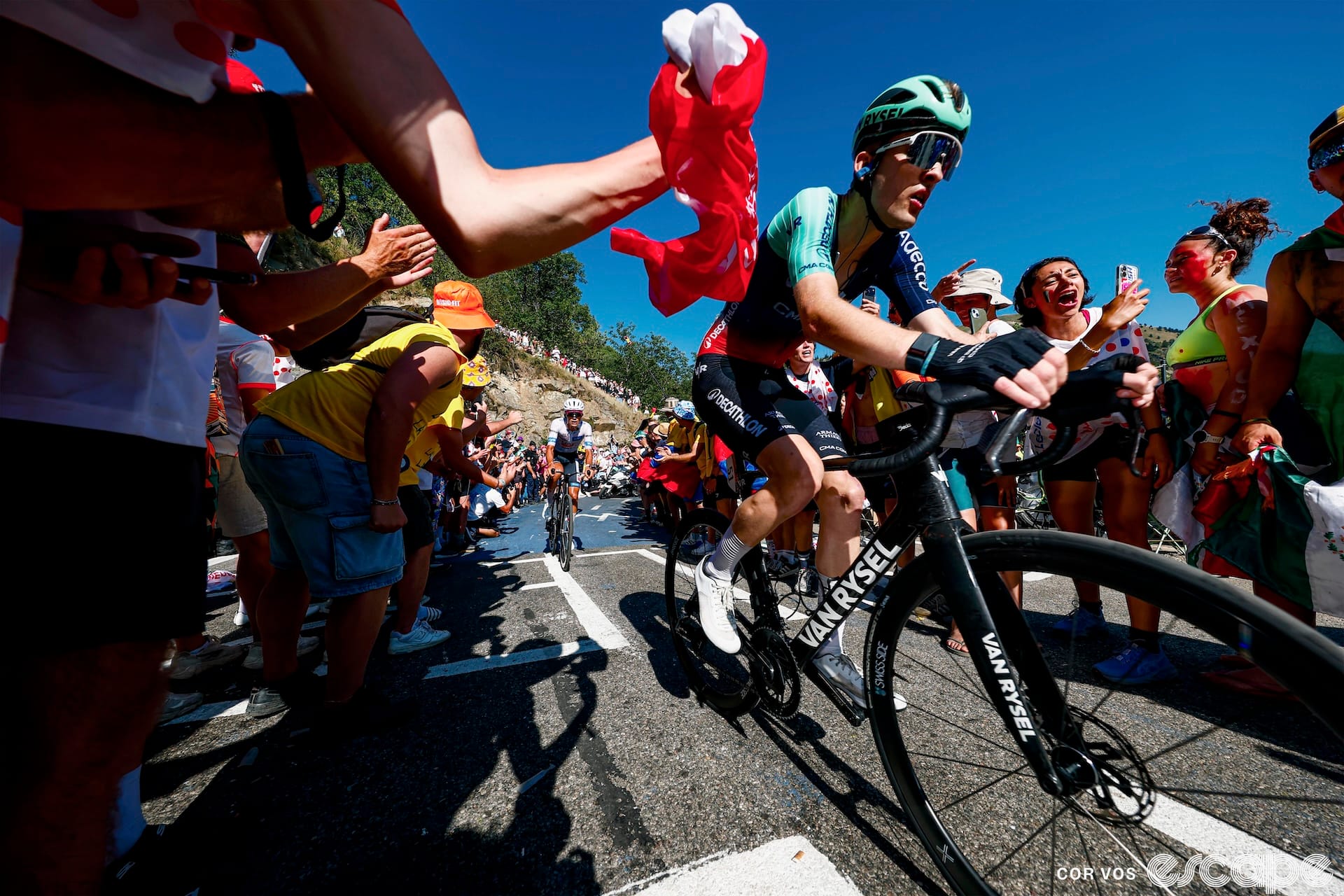
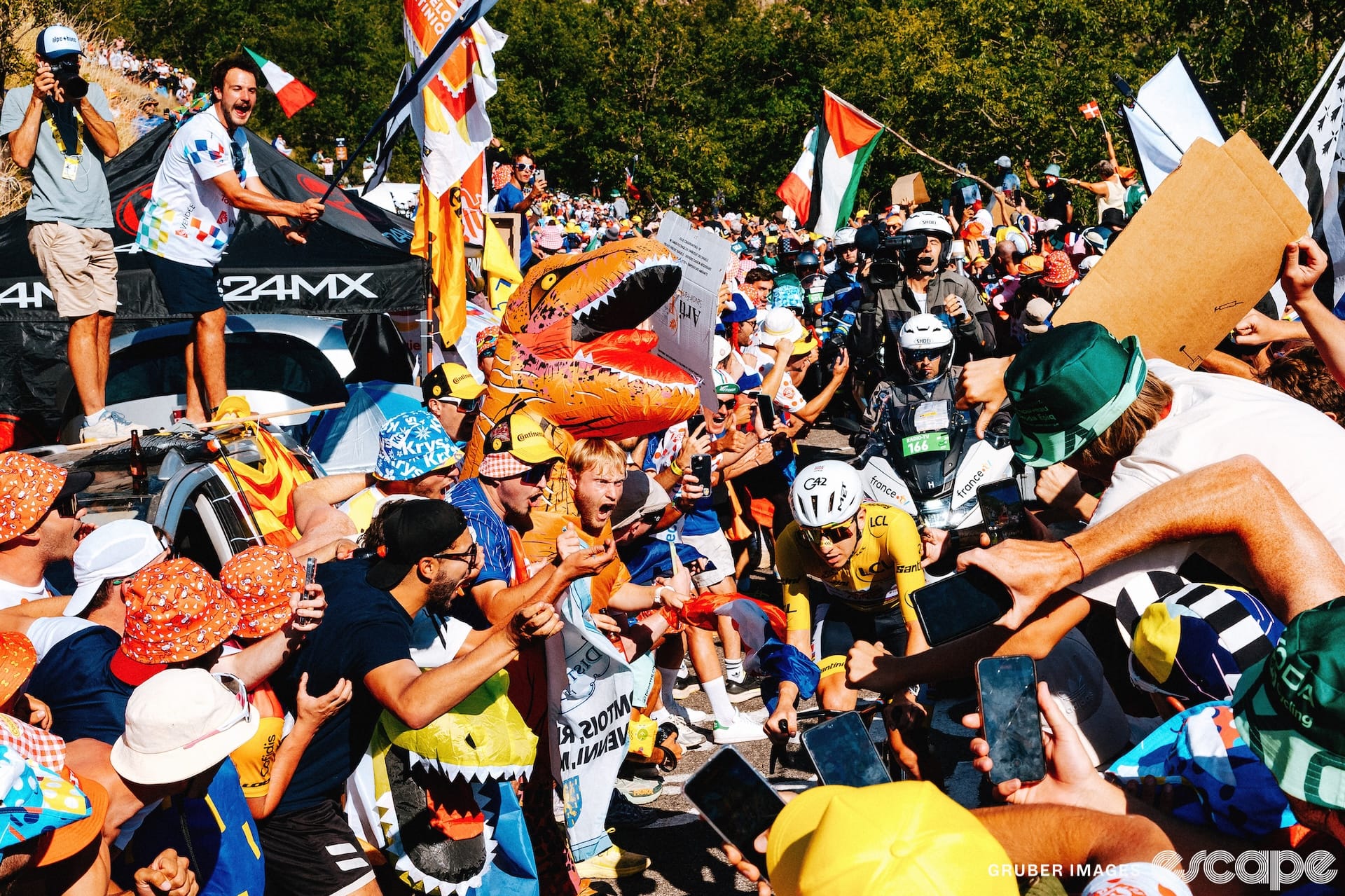
This year's course is the same as stage 20, the Tour's queen stage over the Col de Croix de Fer, Col du Telegraphe and Col du Galibier before culminating in the never-used ascent of the Col de Sarenne to the finish in Alpe d'Huez. It's 171 km long with nearly 5,500 metres of climbing – a significant test as a standalone ride like the L'Étape riders will face and even more daunting for the pros at the end of a three-week Grand Tour.
On the other side, while the pros are doing everything imaginable to eke out the tiniest of performance gains, the riders lining up for L’Étape du Tour each summer, for the most part, have jobs, families, mortgages, and limited training time.
 Alex Hunt
That contrast makes the results all the more surprising. Across nearly two decades of data, the fastest amateur* has consistently finished around 8–12% slower than the Tour stage winner, and looking further down the results sheet, the same is true across the top 50. Despite almost two decades of money-as-no-object marginal gains, that gap has barely changed.
Which raises the question: what is at play keeping the gap so consistent, and could we see it narrow or grow in the future?
*It is hard to group all Étape winners as amateurs, but more on that in good time.
Almost two decades of progress from both sides
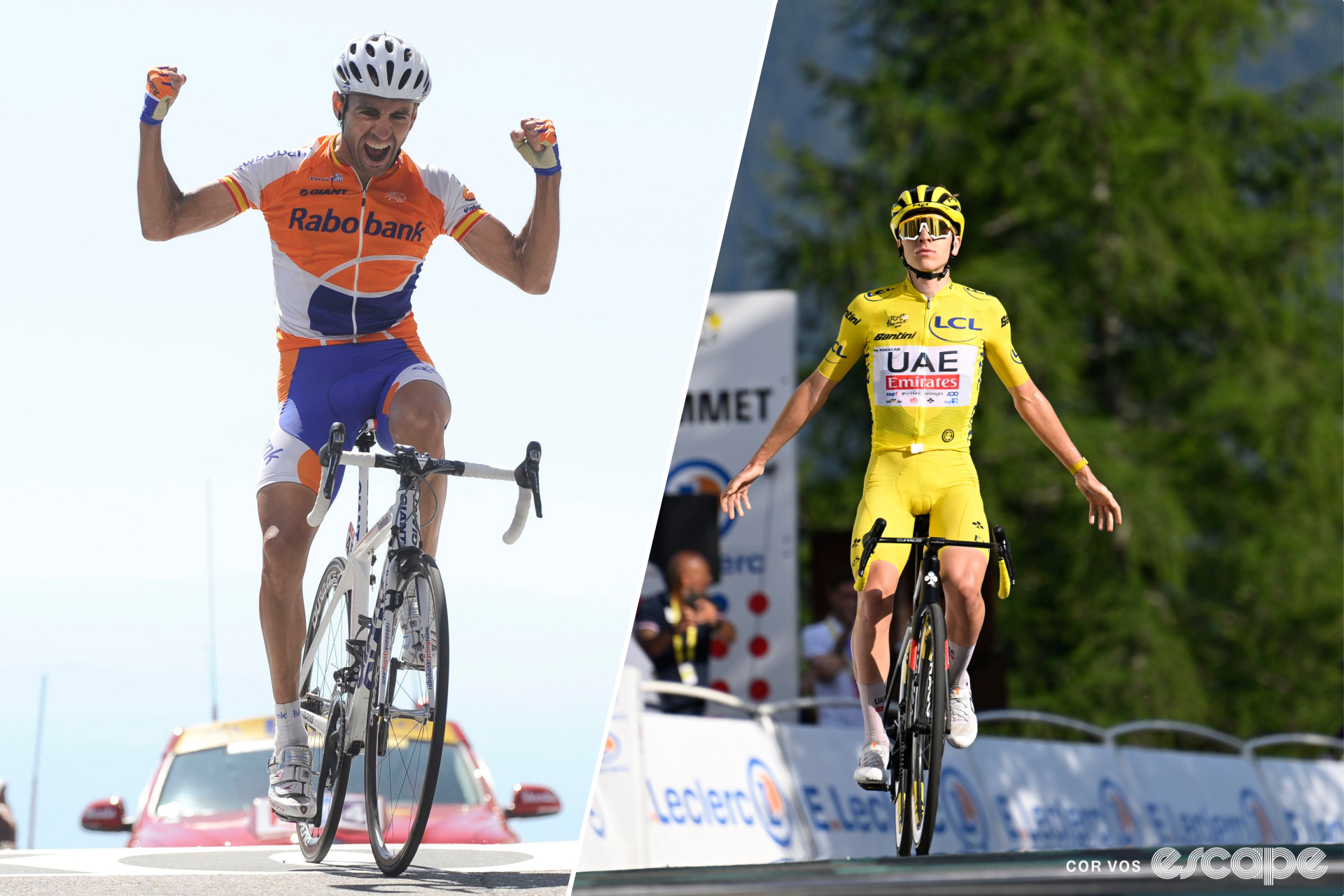
The Tour de France that Alberto Contador won in 2009 bears little resemblance to the one Tadej Pogačar is dominating this year. Both are generational riders, but the world surrounding them is entirely different. The resources available to Pogačar and UAE Team Emirates-XRG today would have been almost unimaginable in Contador's era.
Did we do a good job with this story?