
The Tour de France is synonymous with mountains. The history of the race is bound up in myths of mighty ascents, the crucible where the race is won or lost and legends are written. Some of that history is nearly as old as the race itself. The Ballon d’Alsace was the first official climb in Tour history, debuting in 1905, the race's third edition. Some myths are more recent; for all its fabled fame, Alpe d’Huez didn’t appear until 1952.
Both will feature in the 2026 Tour, as will several other iconic cols; to mangle a book title, here's a brief history of climb.
 Dane Cash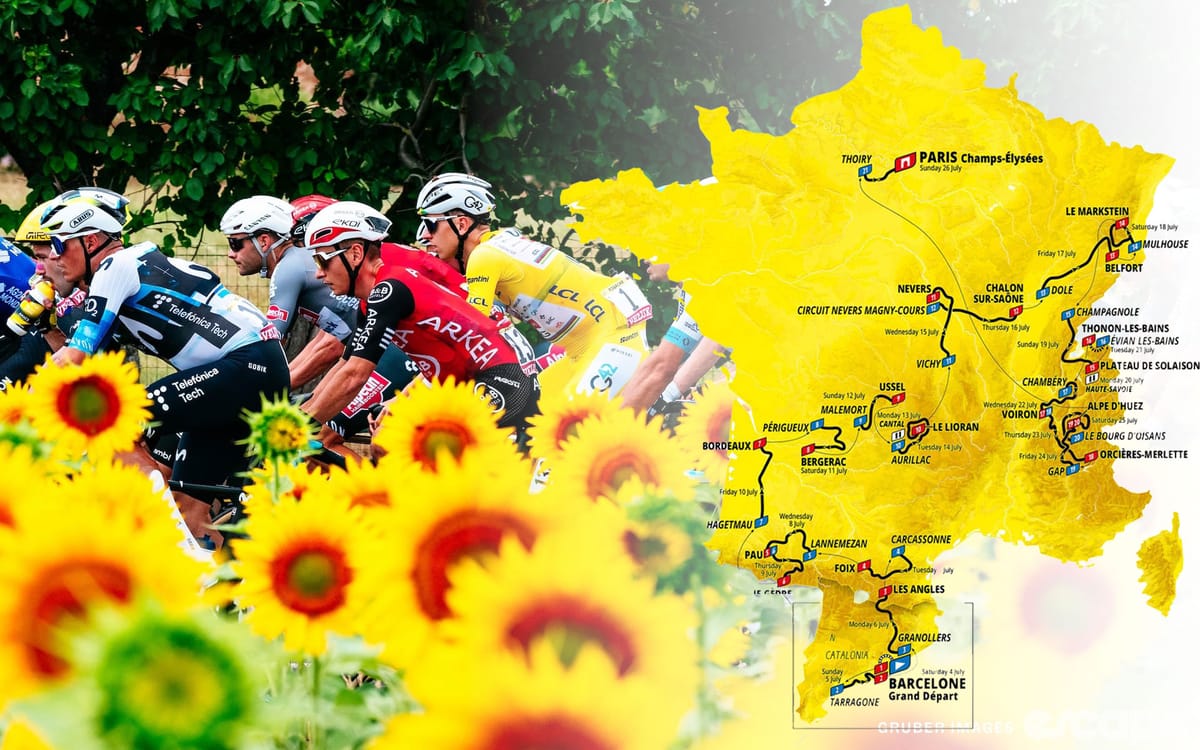
Stage 6 – Col d’Aspin, Col du Tourmalet
Elevations: Aspin 1,489 m; Tourmalet 2,115 m
First appeared: 1910 (both)
Of the Tour’s two great mountain ranges, the Pyrenees are the more raw and rugged. There are fewer towns and ski stations – and more bears – than in the Alps. Roads are often narrow, surfaces sometimes rough and crumbled. The tarmac pitches and bucks, rising in ramps that are more variable than the Alps’ comparatively smooth gradients.
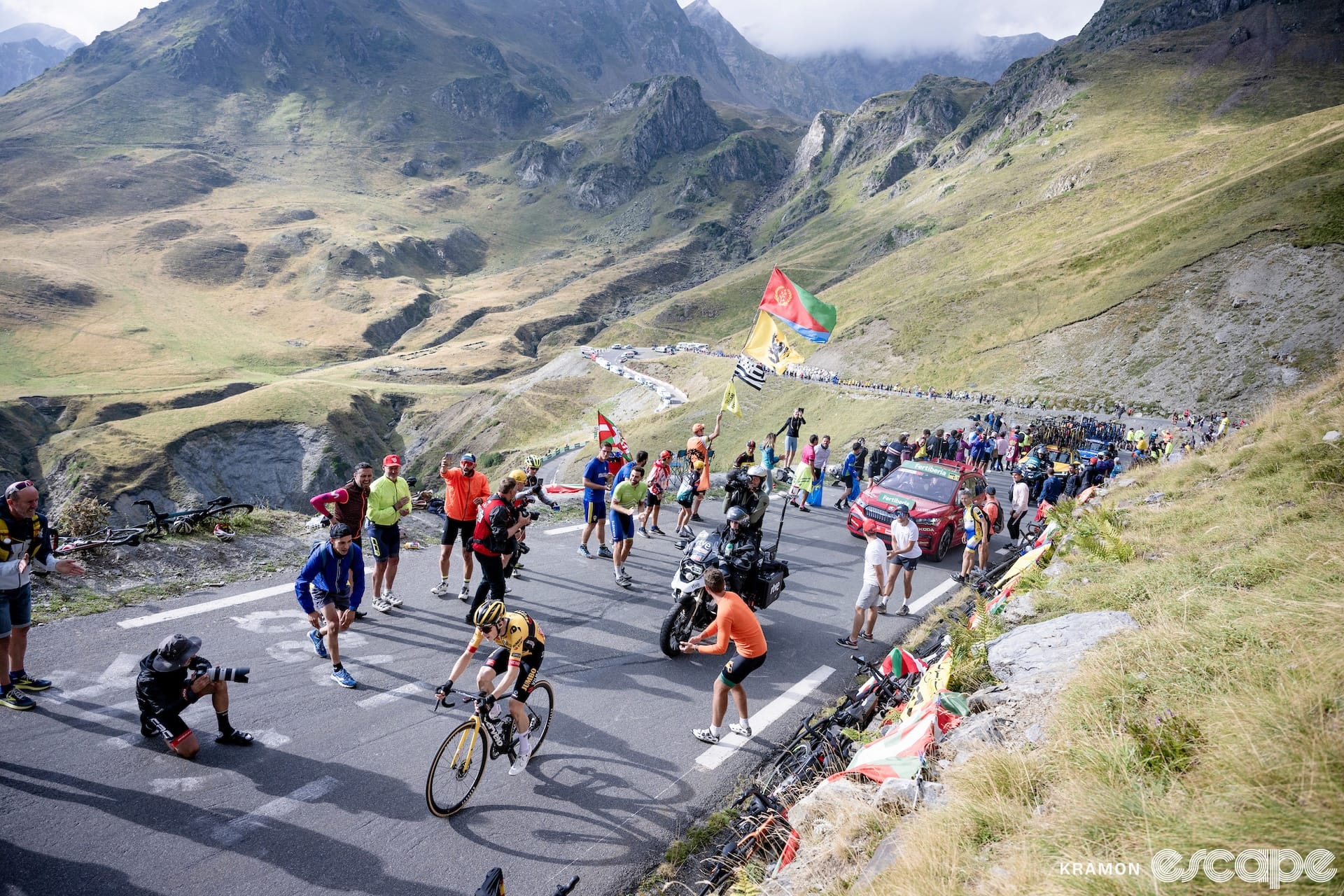
Arguably the only classic Pyrenean stage on the parcours this year, stage 6 treats the peloton and fans to several of the most fearsome climbs in the mountain range that divides Spain and France. It also harks back to the 1910 Tour, taking in the Col d’Aspin and Col du Tourmalet, two of the climbs first featured in that edition. (A slight difference: stage 10 of that 1910 Tour was 326 km long and included, in order, the Col du Peyresourde, Aspin, Tourmalet and Col d’Aubisque.) In The Great Road Climbs of the Pyrenees, author Graeme Fife calls this part of the Pyrenees the Circle of Death, largely for the presence of these four cols.
Did we do a good job with this story?