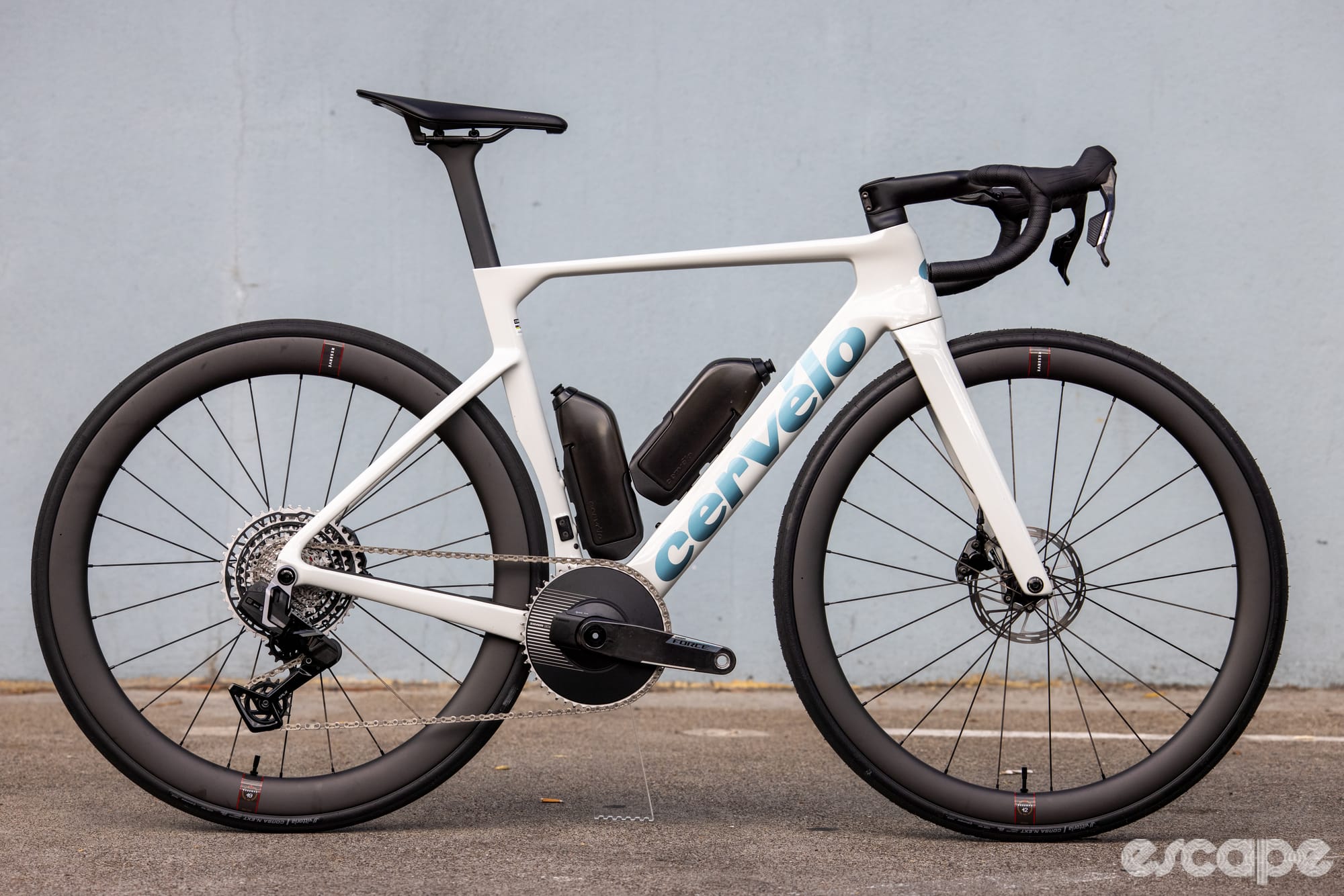


When Cervélo reintroduced the Soloist in 2023 after putting the model on a two-decade hiatus, it was firmly positioned as a wallet-friendly race bike. With prices of top-tier race bikes rising quickly, the market was hungry for lower-cost options.
Compared to the then $6,000 S5 frameset and $8,500 entry point for an S5 complete bike (priced at $6,500 and $10,250 respectively today), the Soloist was much more approachable for amateur racers and performance riding enthusiasts. Framesets were US$2,800 and complete bikes started at just US$3,900 with a Shimano 105 mechanical groupset. All builds came with a two-piece aluminum handlebar and stem and the top spec had SRAM Force AXS.
Looking at the new model of Soloist just released, Cervélo has made several performance improvements, but they come at a cost, literally. The new Soloist doesn’t quite reach the pricing or performance claims of the brand’s flagship race models, the S5 and R5, but it takes a significant jump up in price across the board. The question remains: are the improvements to the Soloist worth narrowing the price gap between it and the flagship models or would the market be better served by a more affordable race option?
Updates
According to Cervélo, the new Soloist is 8.6 watts faster and 267 grams lighter than the outgoing Soloist. Raw watt improvement claims without the context of speeds, yaw angle weighting, or other testing details always raise a bit of a red flag, but there are several updates that all point to a faster bike.
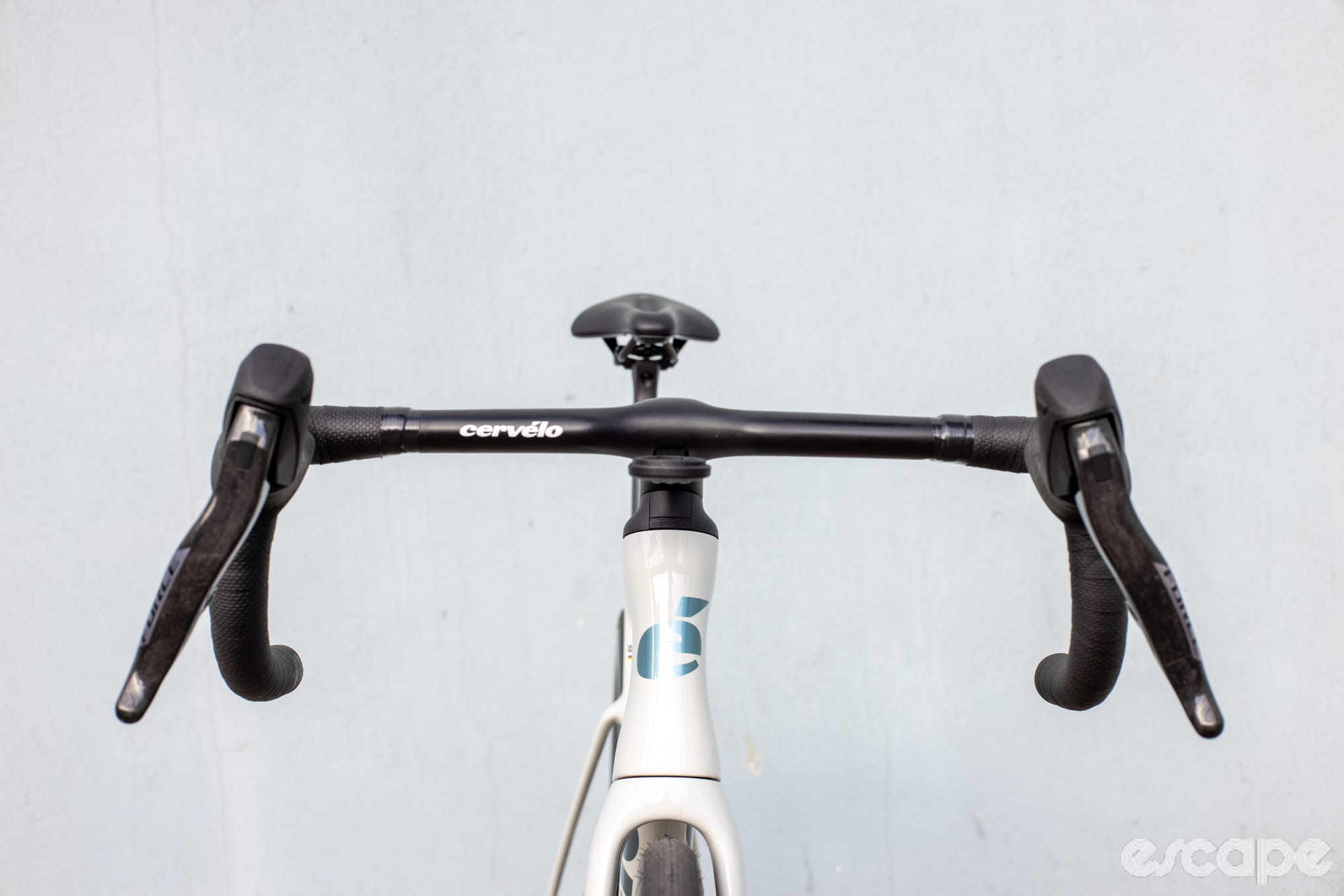
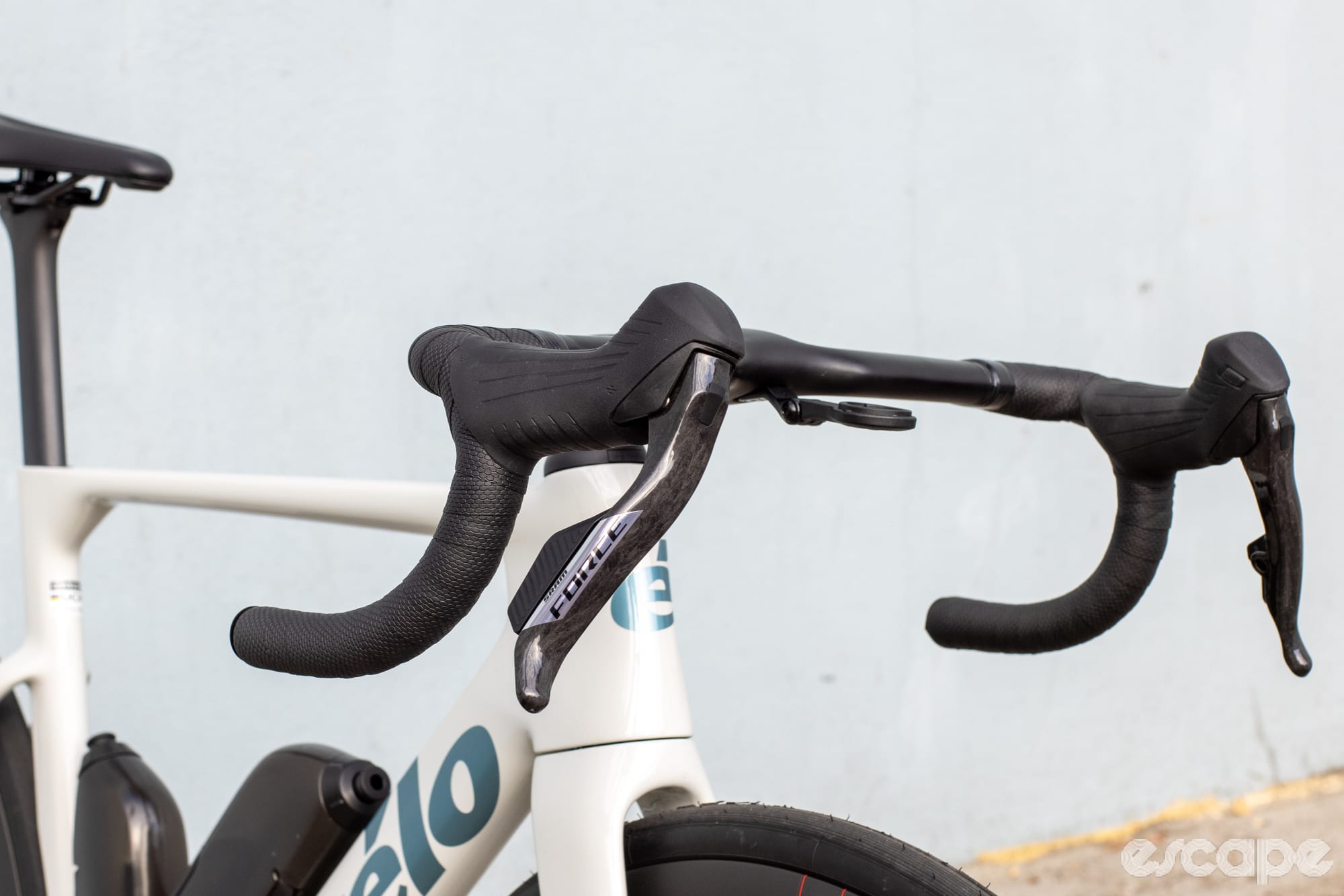
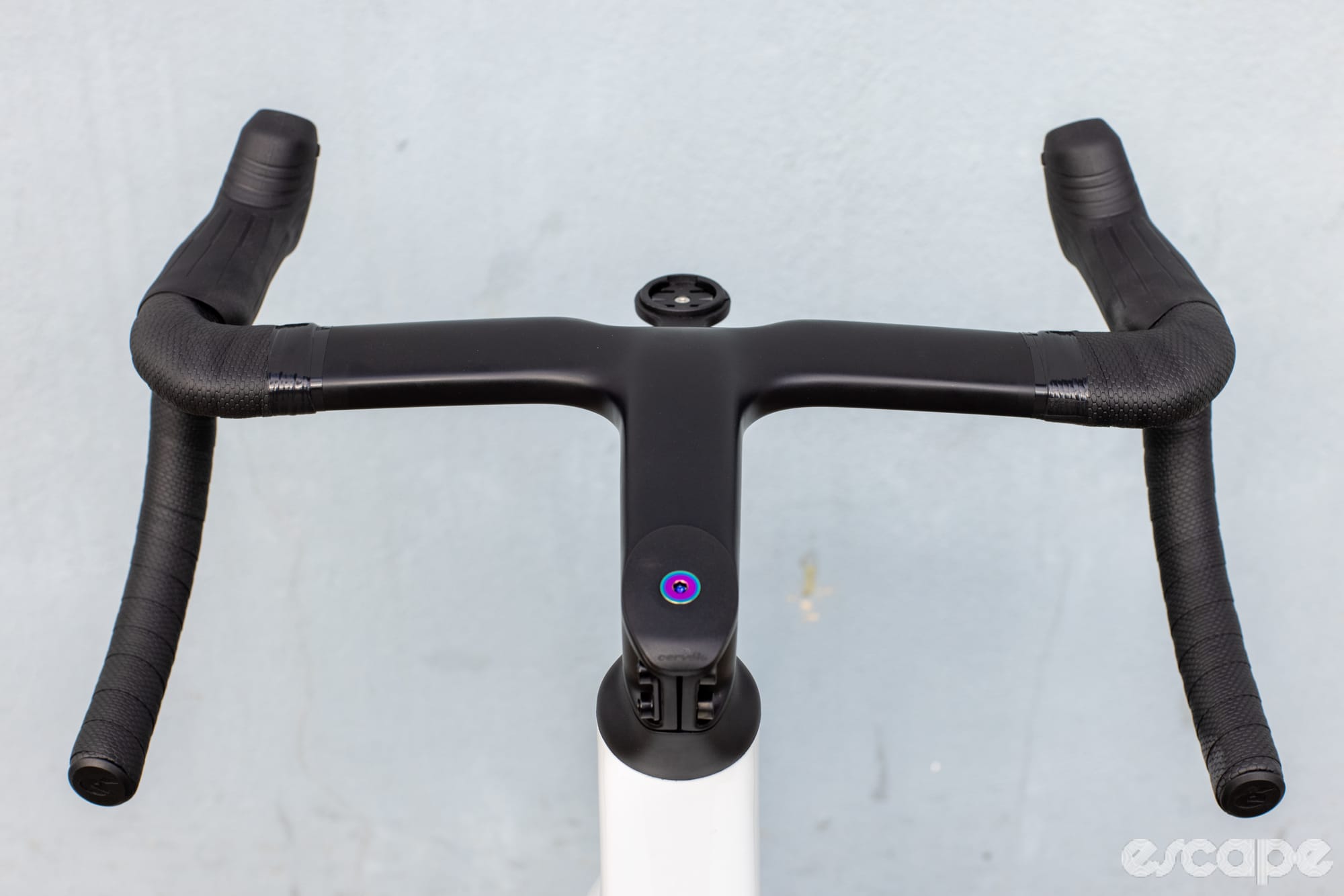
The biggest change: every model now gets the HB18 one-piece cockpit found on the Cervélo R5, which means the brake hose routing is now entirely internal. That accounts for a solid chunk of the aero and weight benefits, but also means no more easy bar or stem swaps. Compared to the outgoing aluminum two-piece handlebar and stem offerings, the HB18 is 5.8 watts faster and 148 g lighter, according to Cervélo. And there’s an exchange program.
Within the first 60 days of ownership, through the bike shop where the Soloist was purchased, customers can exchange the stock HB18 for their preferred bar width/stem length, free of charge. It is up to retailers to decide how much to charge for labor, brake hoses, and bar tape for the installation.
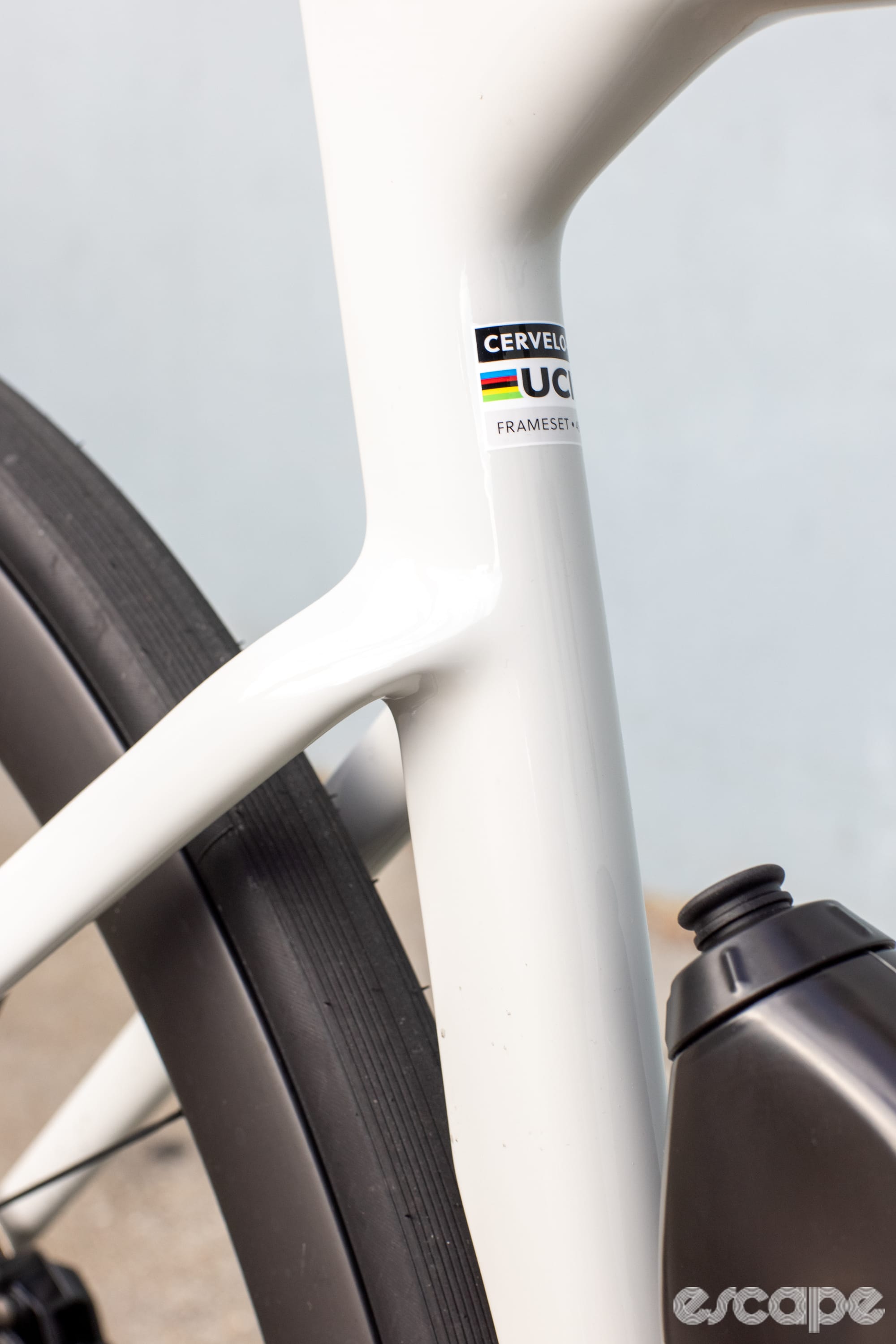
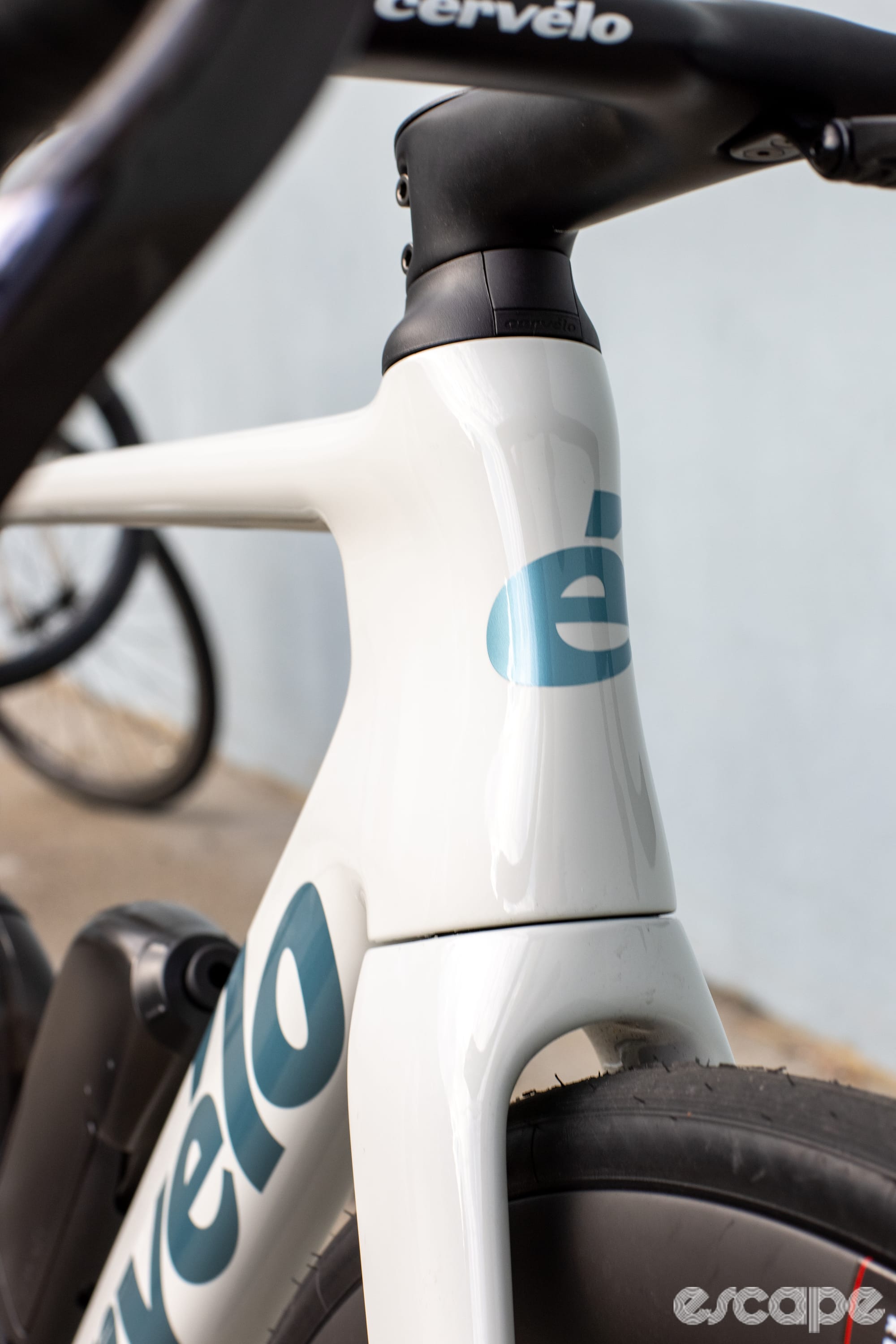
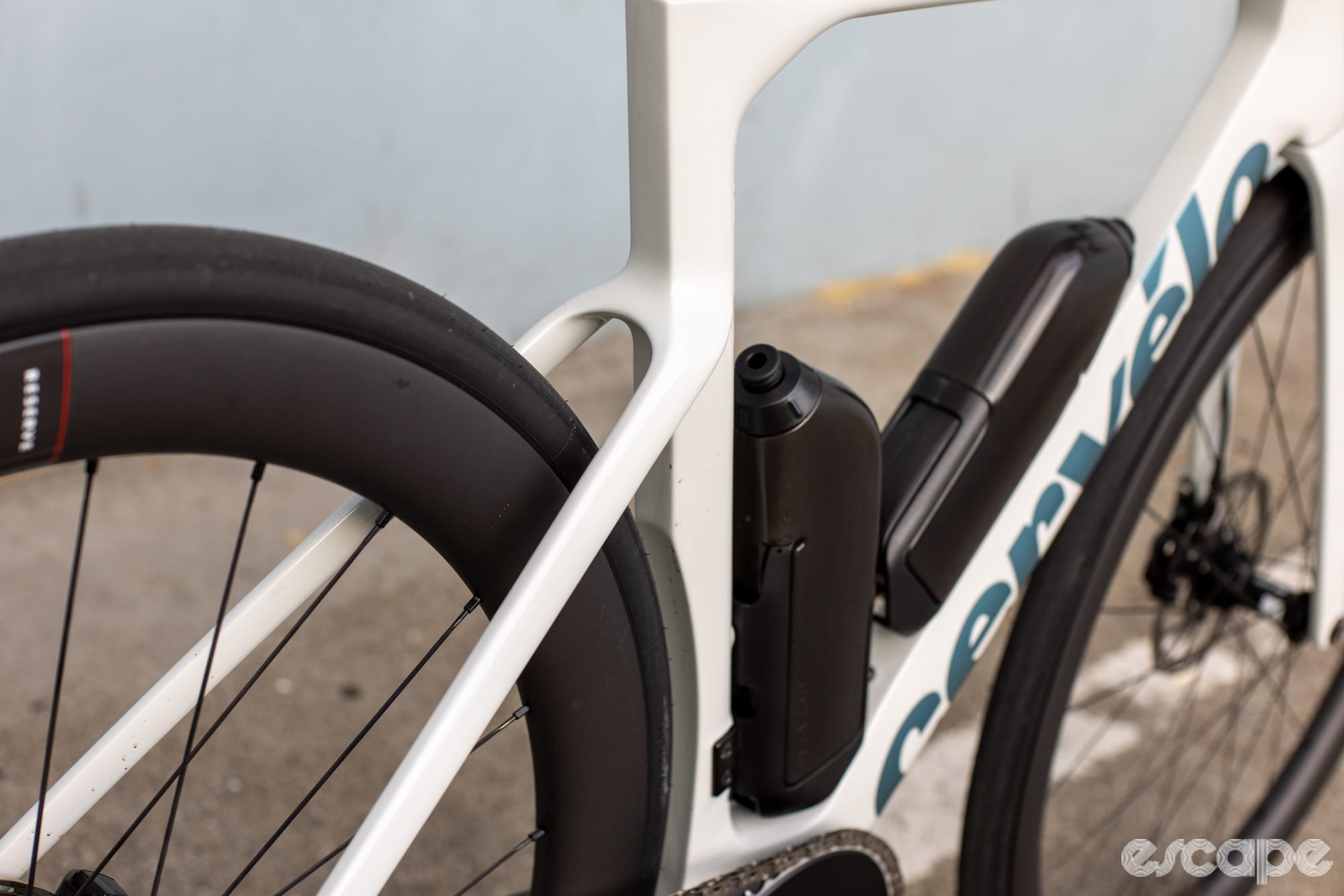
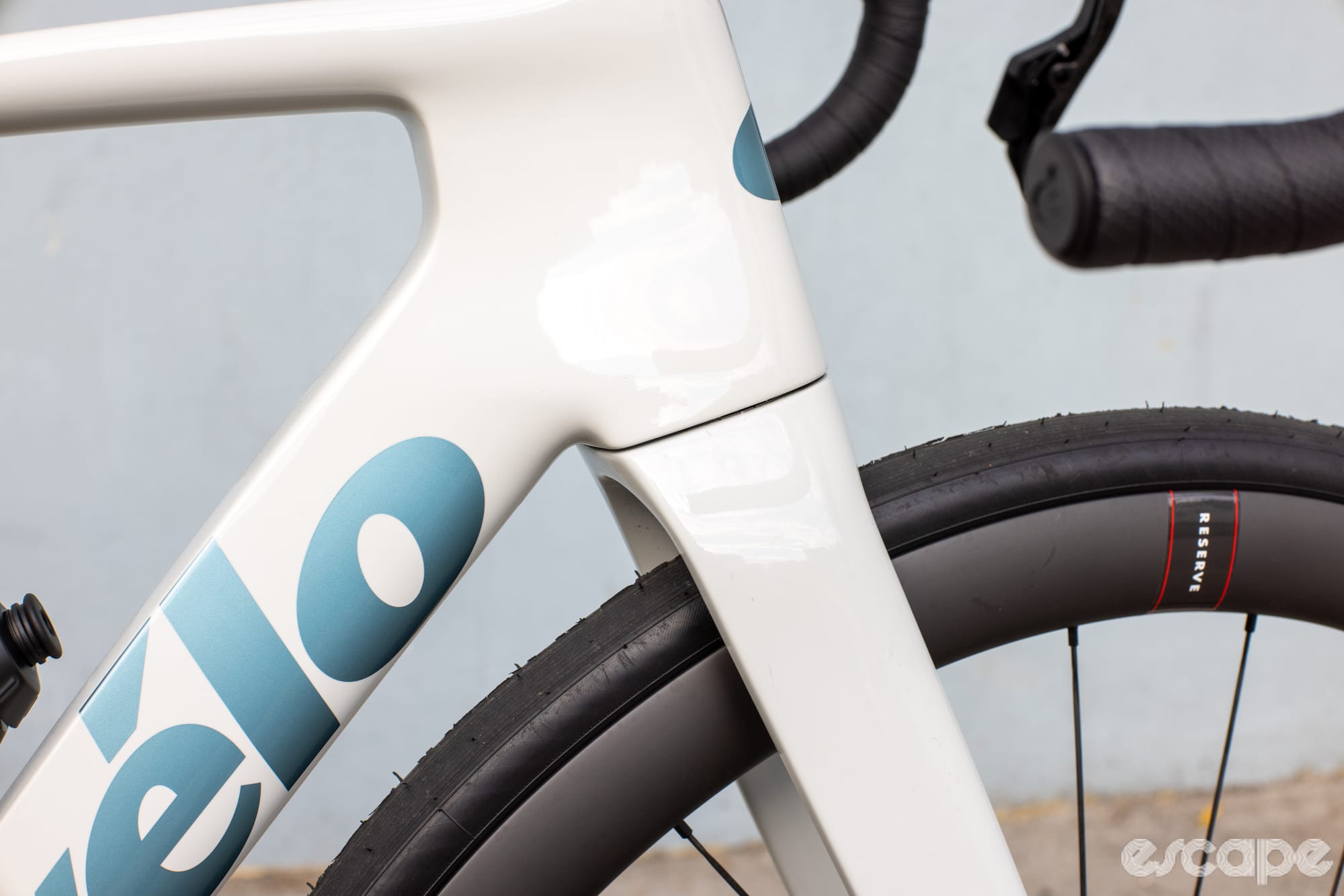
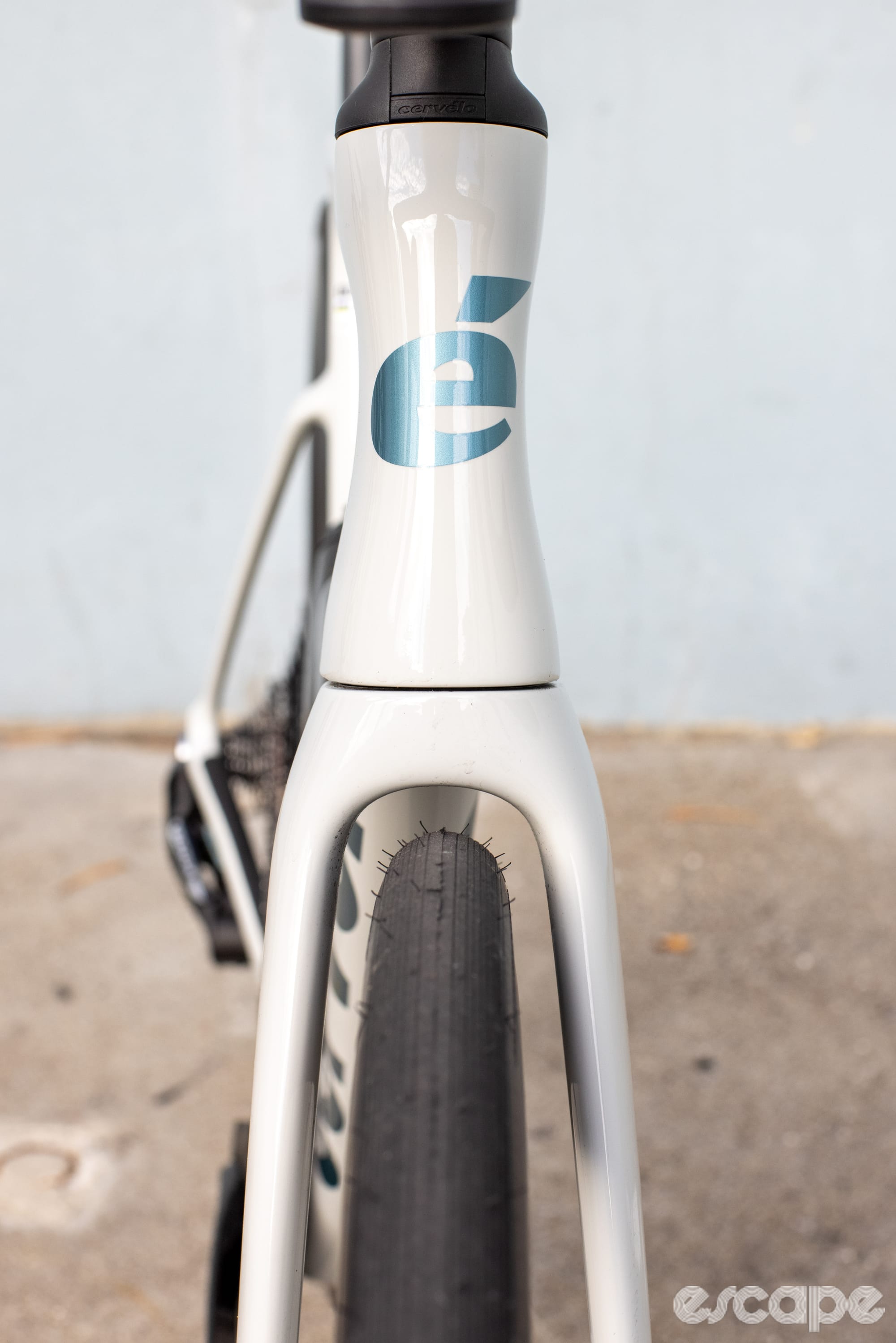
Aside from the cockpit update, tube profiles across the frame have been updated. The head tube and down tube are narrower, the seatstays are more bladed and spaced wider, and the fork has more aero contour details all around.
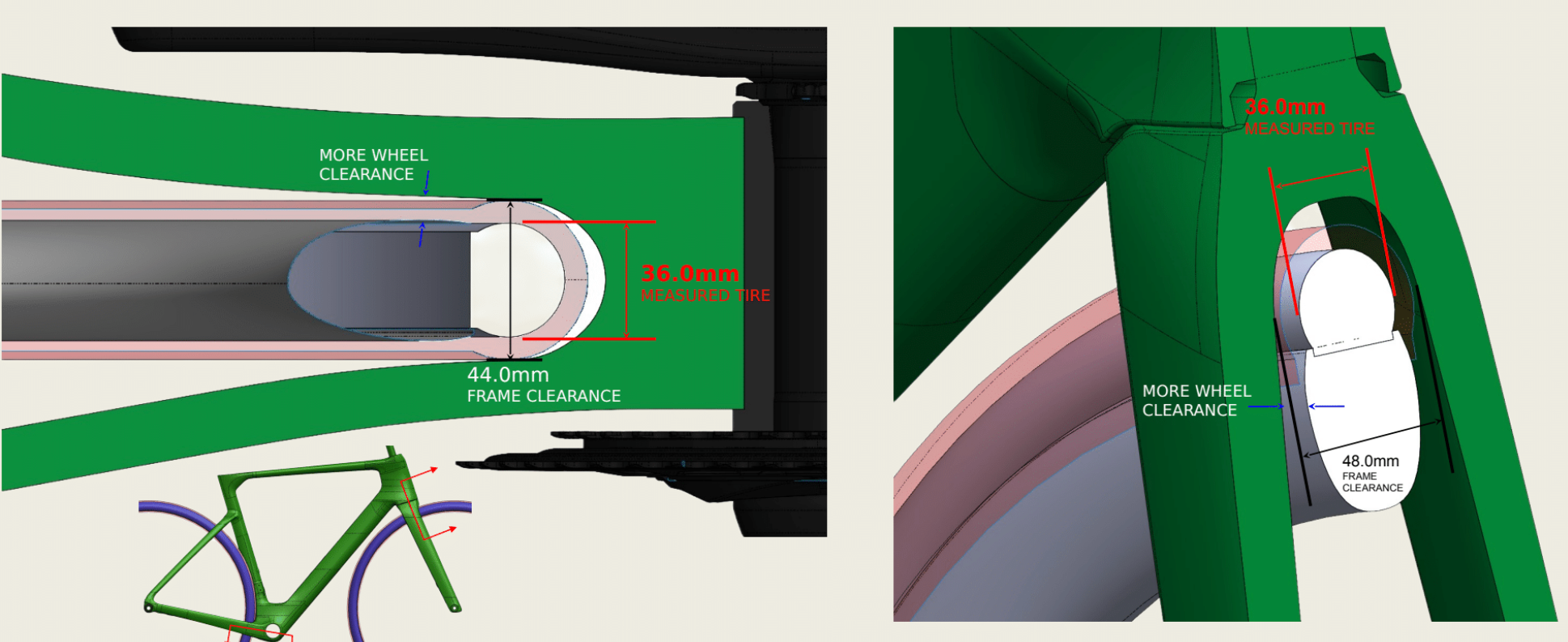
Tire clearance bumps up from 34 mm to 36 mm, with 46 and 44 mm of space in the fork and frame, respectively, to allow for wider rims. The outgoing Soloist ran into issues with some extreme rim widths.
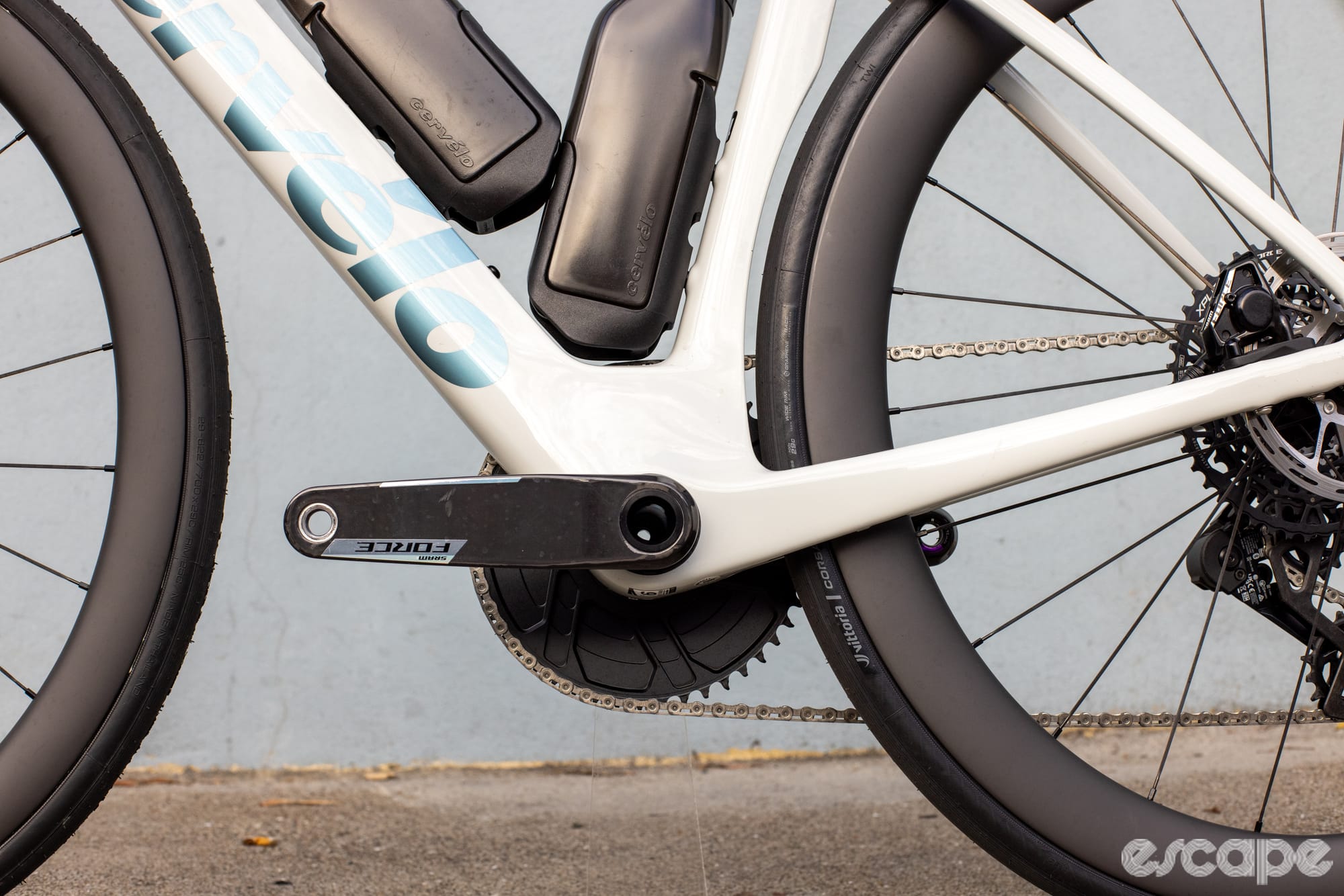
Along with the new Soloist, Cervélo is introducing aero bottles and cages, which come stock with each Soloist complete bike and frameset. According to the brand’s testing, the aero bottles save 4.3 watts compared to regular round bottles, but the bike is another 2 watts faster without any bottles or cages. According to Cervélo, the cages are compatible with “most round bottles.”
In my couple of test rides, the aero bottles were secure and easy enough to get in and out of the cages, but round bottles were constantly ejecting from the cages. It's safe to assume that losing bottles in a race and being dehydrated could cost much more than 4 watts.
Specs and pricing
Cervélo offered the outgoing Soloist in a mechanical Shimano 105 with aluminum DT Swiss wheels for $3,900, which was a reasonable entry point for a race bike. What Cervélo is calling “elevated offerings” now bumps that entry point into the Soloist family up to Rival AXS with Reserve carbon wheels and a power meter at $6,800. There's no more compatibility with mechanical shifting which, with the fully internal routing, is probably a good thing. However, it does mean that Cervélo no longer sells a race bike for under $6,800.
Did we do a good job with this story?