

If you were an alien watching Earth from space and saw an ambulance at the scene of every human accident, you would probably assume the ambulances were to blame. As we know, the reality is very different; the ambulances are there to help. That’s the analogy Aitor Viribay, exercise physiology/metabolism PhD, former lead of human sciences at Ineos Grenadiers, and now performance director at running brand Salomon, uses to describe why lactate got a bad rap in endurance sports.
As we've come to learn over the past few decades, we previously assumed that the presence of lactate during fatigue meant lactate was responsible. Lactate is actually a fuel and a signalling molecule, Viribay explains in an interview this week with Escape Collective, and he’s spent the past seven years developing a way to harness its power as such.
The appeal is simple – if lactate is actually fuel, can we find a way to ingest it effectively? And if so, what would it actually do? That’s what Viribay, and his company Exolactate, set out to answer, and now, after seven years of research and development, its first commercial product is built around that idea.
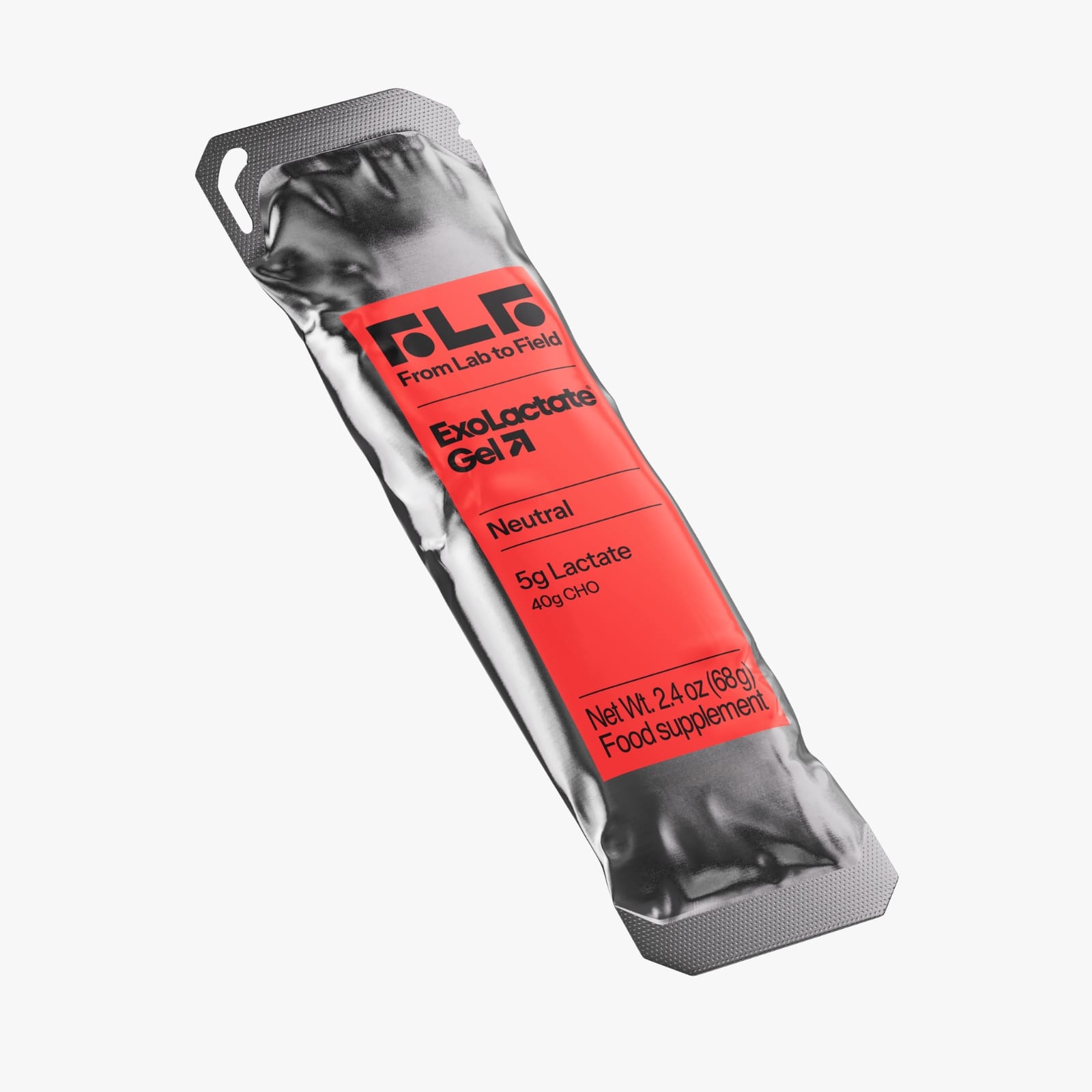
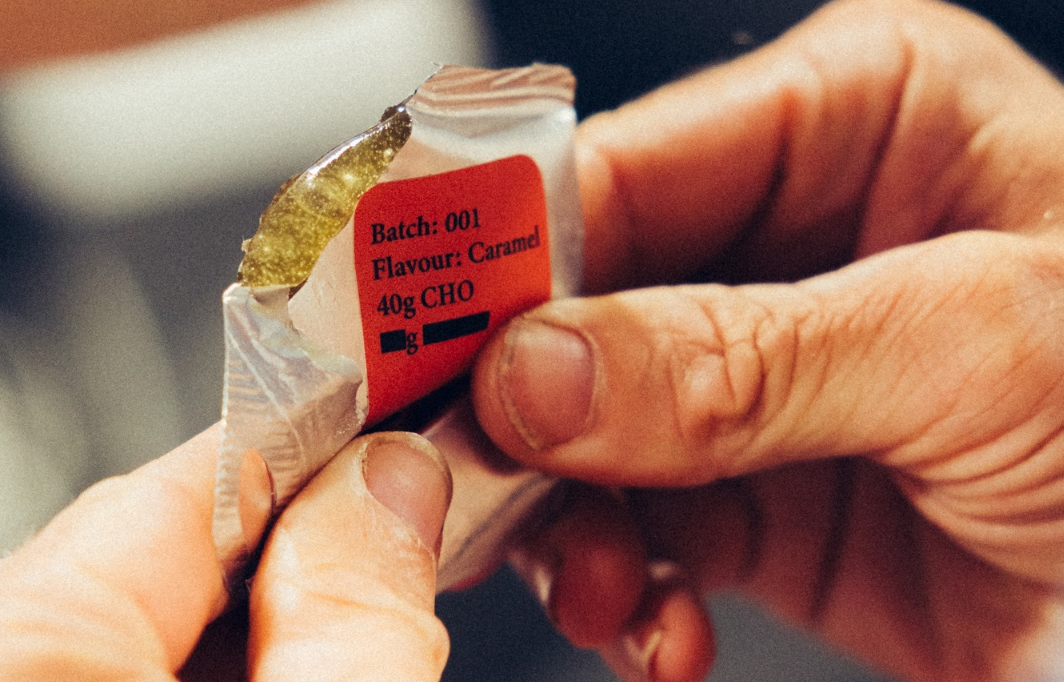
That first offering is a gel containing 40 grams of carbohydrate and 5 g of exogenous lactate. That word “exogenous” is the key here: while endogenous lactate comes with the cost to us as athletes producing it – high-intensity glycolytic work – exogenous lactate “comes for free” (or the price of a gel) and, according to Viribay, can support the cell rather than harm it. That of course upends years of outmoded thinking about lactate, and Viribay agrees the pitch can seem too good to be true. The gel is like any other, with Viribay explaining it can be used very similarly, either taken before or during exercise to help support fueling.
A team in the Tour de France – who Viribay can't name due to a confidentiality agreement – is using Exolactate gels in the race. He says the team has exclusive access for now, meaning the gels will not go on general sale until after the Tour. That use, combined with Exolactate's launch and promotional work ahead of the Tour de France, has many guessing who the team might be (Team UAE Emirates-XRG nutrition sponsor Enervit has posted to debunk suggestions Pogačar used the gels on stage 6) and discussing whether exogenous lactate could represent the next major advance in sports nutrition.
We spoke to Viribay to find out what the claim is, how it’s supposed to work, and if any of it is backed by science. In other words – is lactate fuelling really going to change endurance fuelling, or is it simply another passing fad?
Did we do a good job with this story?