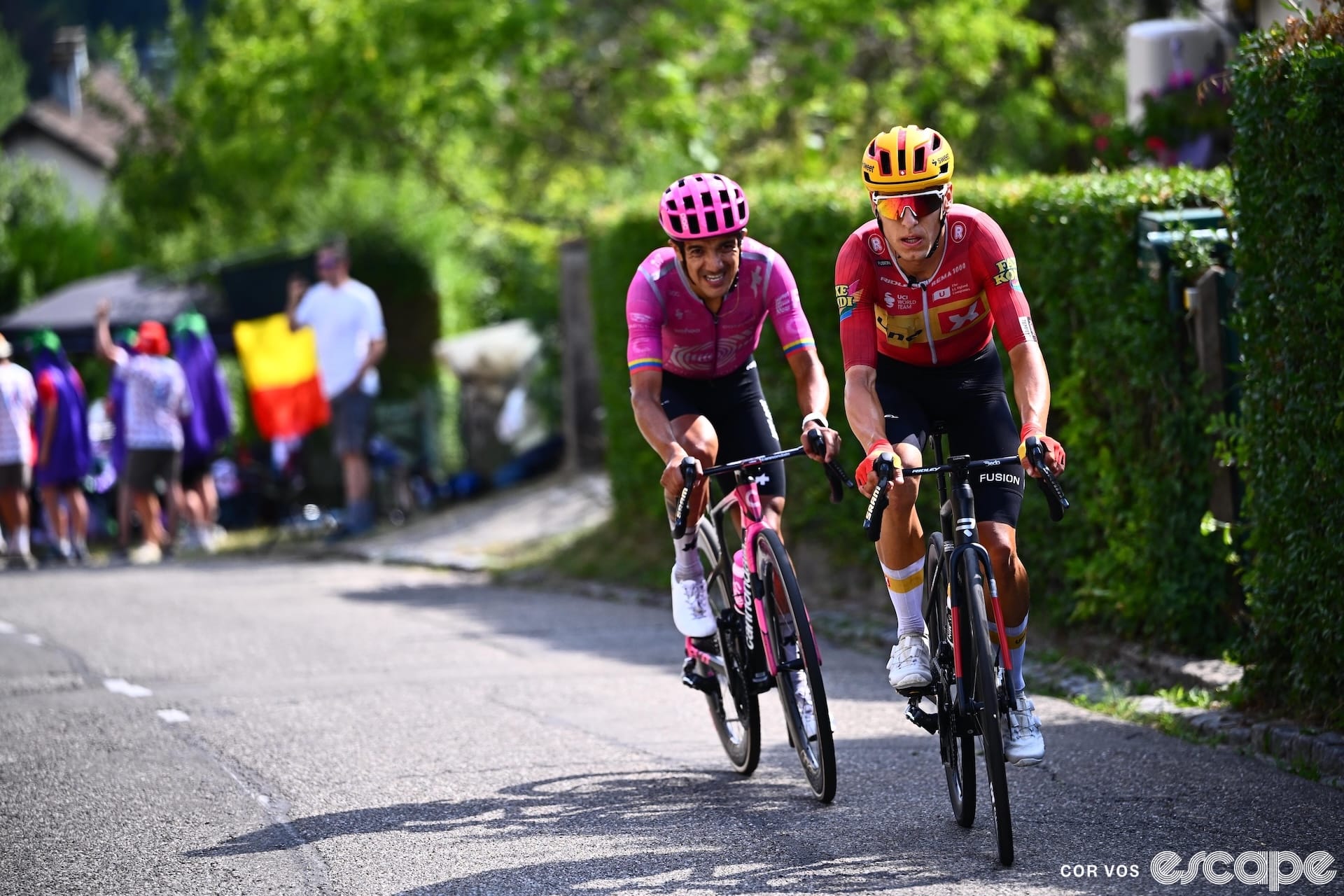

Demi Vollering is pregnant, and being cheated on by her partner. Jonas Vingegaard has no time for LGBTQ+ recognition. Mathieu van der Poel has adopted an orphan. Tadej Pogačar is in a feud with Greta Thunberg, telling her to “sit down, Barbie”, live on television.
None of that is true – but if these headlines sound familiar, it might be because you’ve come across them on Facebook, where a coordinated network of ‘news’ pages has been spreading misinformation about professional cycling and its practitioners.
When one such story popped up in my feed the other day, I was mostly confused and annoyed – but then, I became curious about why this was happening, and who was behind it. What is the motivation behind putting rubbish like this out into the world? Who benefits? And what is the process?
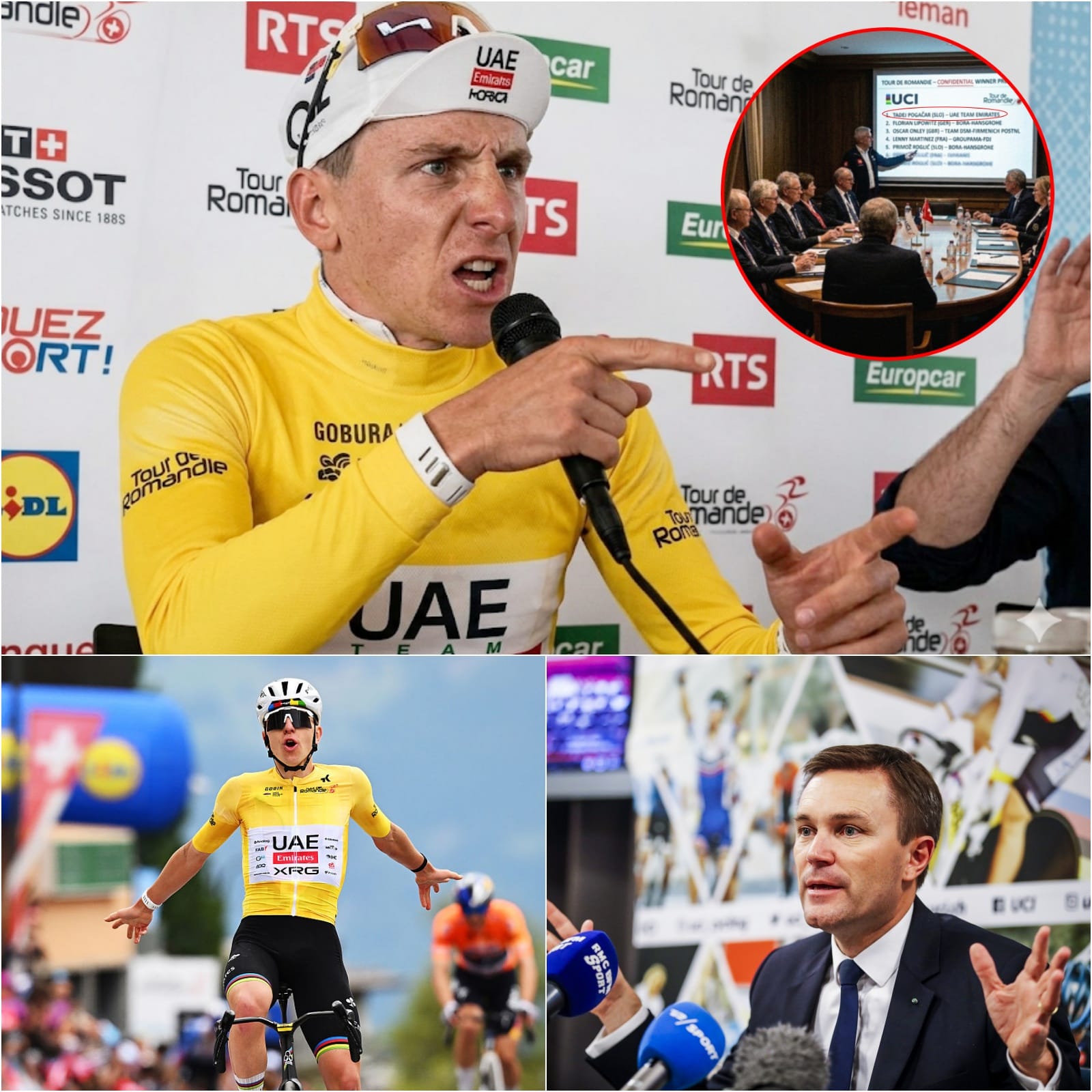
So, I started looking into it all, half-expecting to find some shit-stirring troll hard at work. But what looked like spam or slop turned out to be something much stranger: a sprawling infrastructure churning out hundreds of articles a day across multiple languages and multiple subjects beyond cycling, feeding traffic into two obscure websites.
The stories might be fake, but the business behind them is real.

Chapter 1: The pages
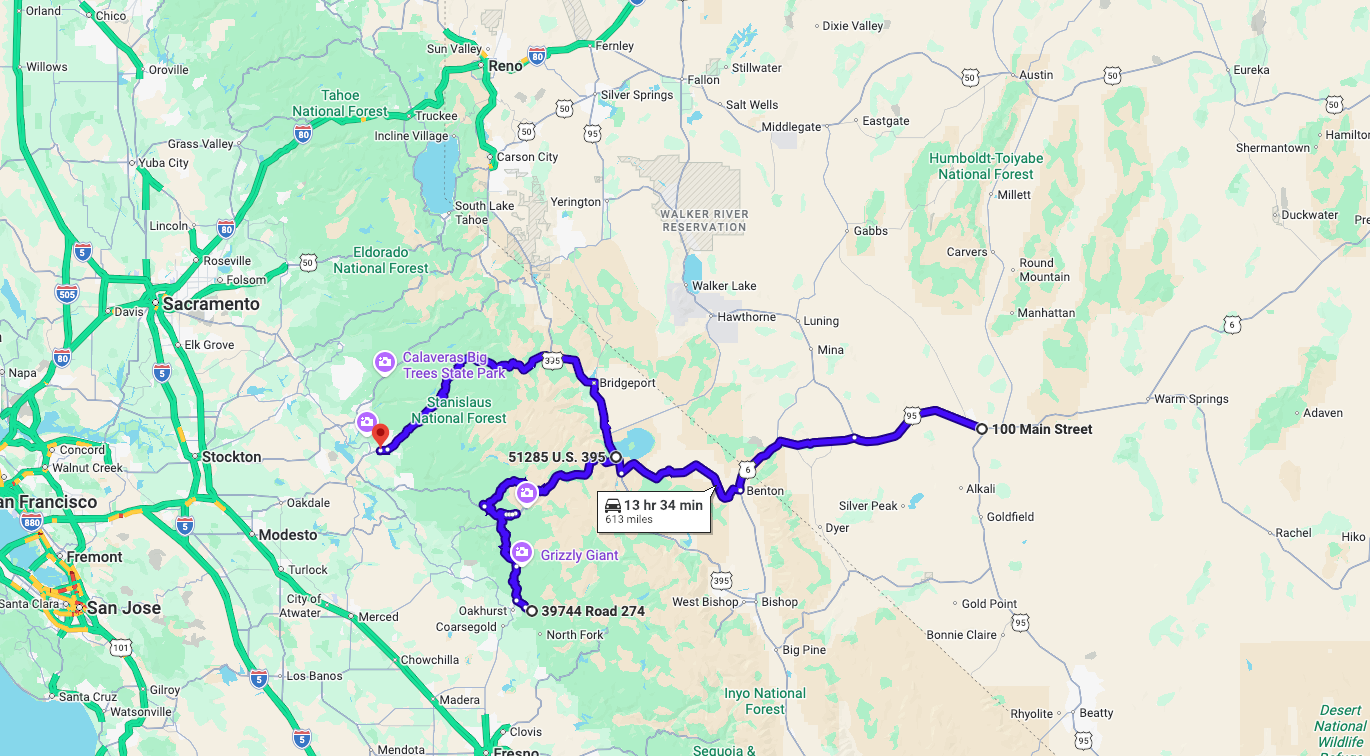
We should probably start with the Facebook pages. The first example I came across was a post from a page called Cycling Squad (10,000 followers), but my engagement with that post meant that others soon followed. In total, by following trails of breadcrumbs around Facebook and Google, I’ve now identified 20 such Facebook ‘news pages’ publishing in five languages (English, Dutch/Flemish, French, Spanish, and Italian), with a combined follower count approaching 200,000.
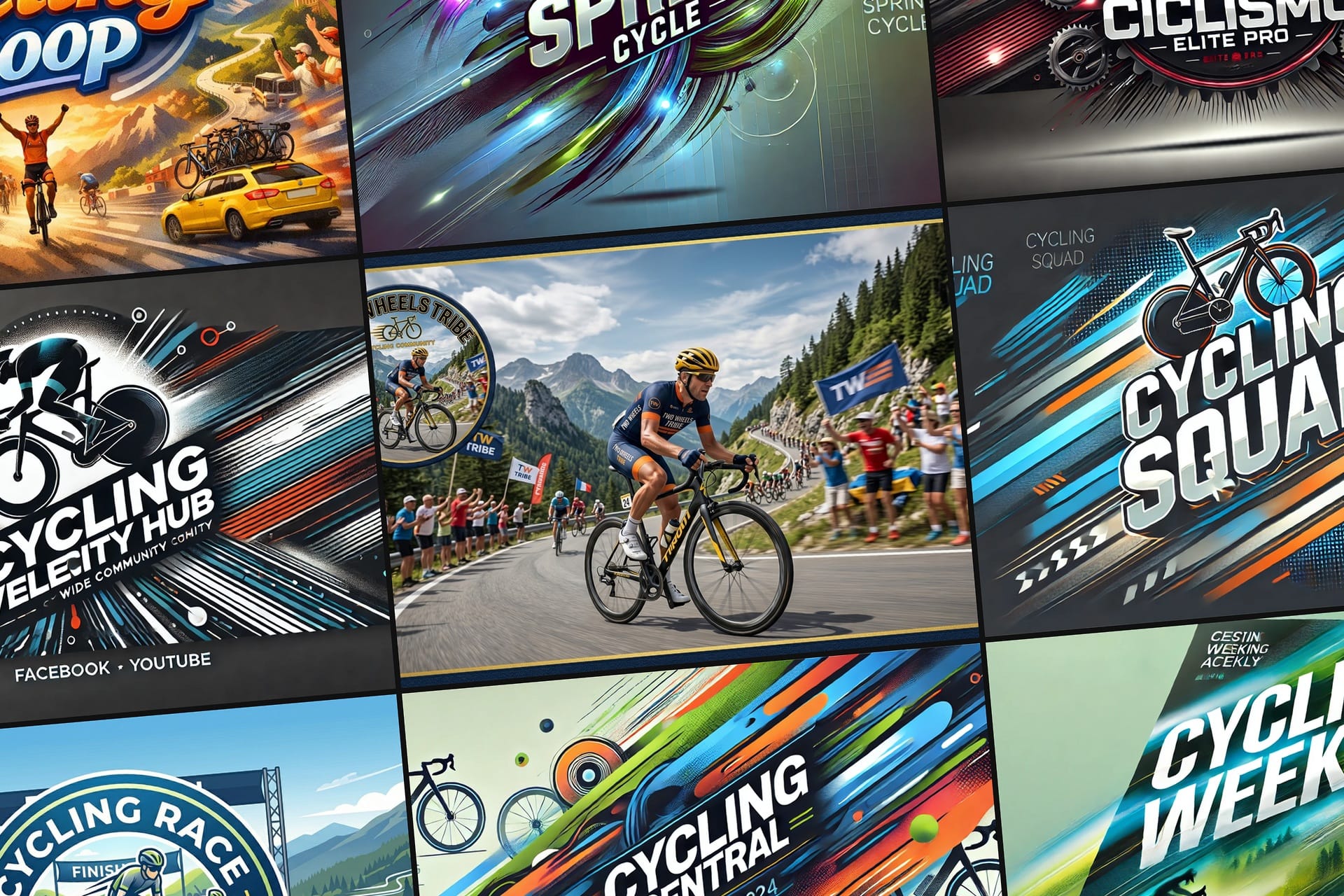
Each of the pages bears some obvious similarities. Firstly, they all have an AI-generated profile picture and header banner – not my jam, personally, but this is the world we live in. As if to bolster their legitimacy, many list addresses in the United States (usually in California, but sometimes Nevada and in one case, Maine). Some also have US phone numbers listed.
At this point, it’s important you don’t get too excited – as I did, plotting them on a map of the US, looking for a pentagram or something. But there is something they have in common: None of them are in fact home to a Facebook news site, because all of the addresses are hotels (some two-star, some three-star), seemingly plucked at random like the phone numbers.
The posts that each profile publishes are, likewise, similar, and in most cases feel calculated to fuel engagement with tabloid-esque language and clickbait content. But they feel familiar enough: race photos of faces you recognise with emotional headlines, and a steady stream of updates calibrated to blend into the feeds of cycling fans.
The posts are occasionally tailored to the audience – for example, more Italian riders (and a lot of Mario Cipollini) featured on the Italian language pages – but Tadej Pogačar is Tadej Pogačar in any country’s cycling fandom; the top riders transcend a local bubble, and are common protagonists of the stories on each page. The likes of Wout van Aert, Jonas Vingegaard, Demi Vollering and Pauline Ferrand-Prévot are all regularly featured.
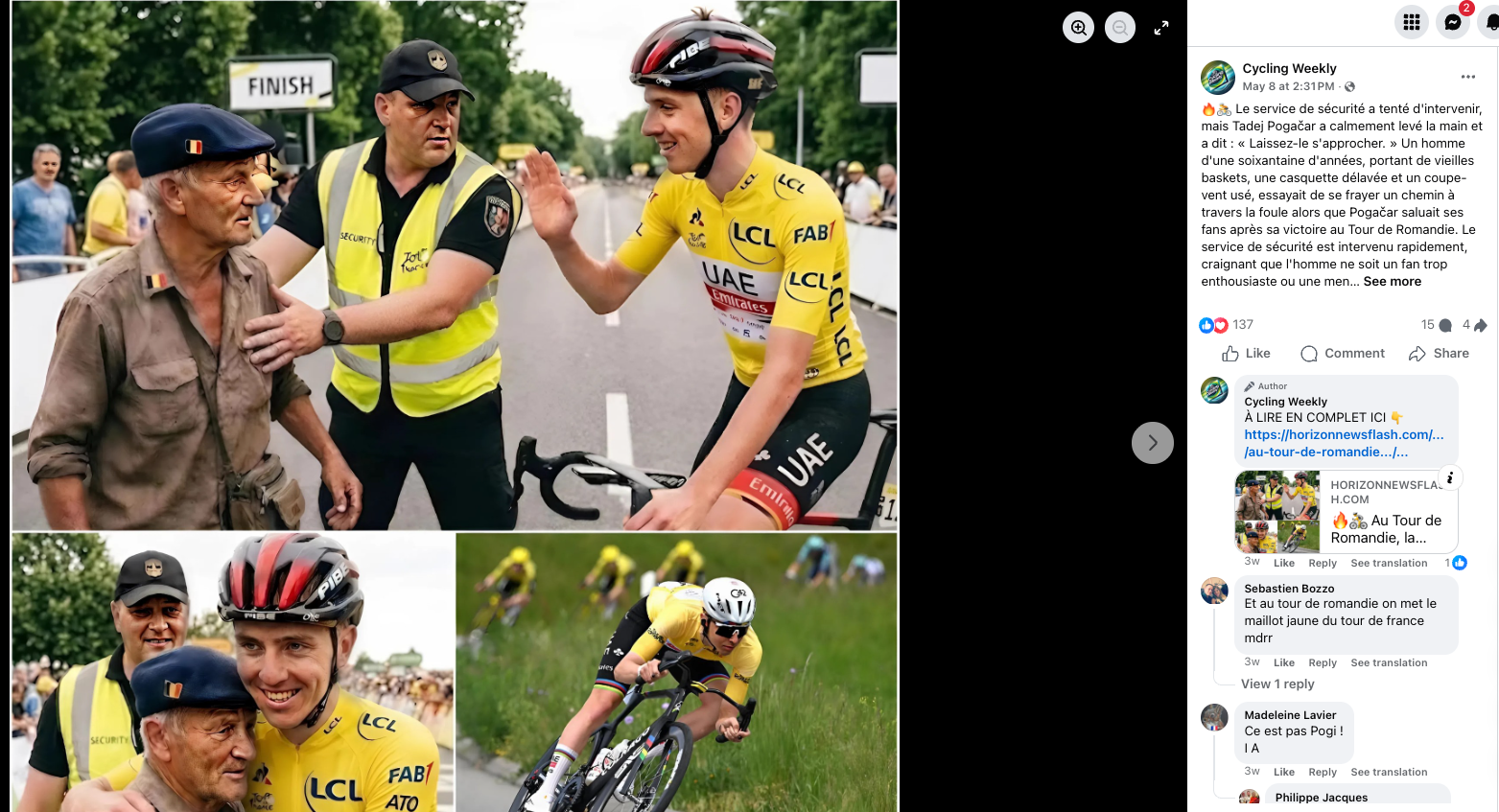
A collage of images – often AI-generated – accompanies each post. And then there’s the text: a rolling cavalcade of shocking injuries, transfers, scandals, retirements and infidelity. Alongside the pictures is a paragraph or so of bombastic text – often calculated to fuel rage or pull heartstrings – and then a link to ‘the full story’ in the comments.
The display URLs of the links are diverse, but they all route eventually to two domains with the same layout and content, along with other pointers that all 20 pages and these domains are the work of one entity.
These two URLS – luxury.vietwedding.net, and luxury.carmagazine.tv – are both vaguely titled ‘Luxury Blogs’. But these websites aren’t offering luxurious weddings in Vietnam or car journalism, because they are flooded with thousands of fictionalised blog posts. Cycling’s a pillar of that, but just one: There’s fake tennis and football news, fake celebrity news, fake political news, and fake finance bros.
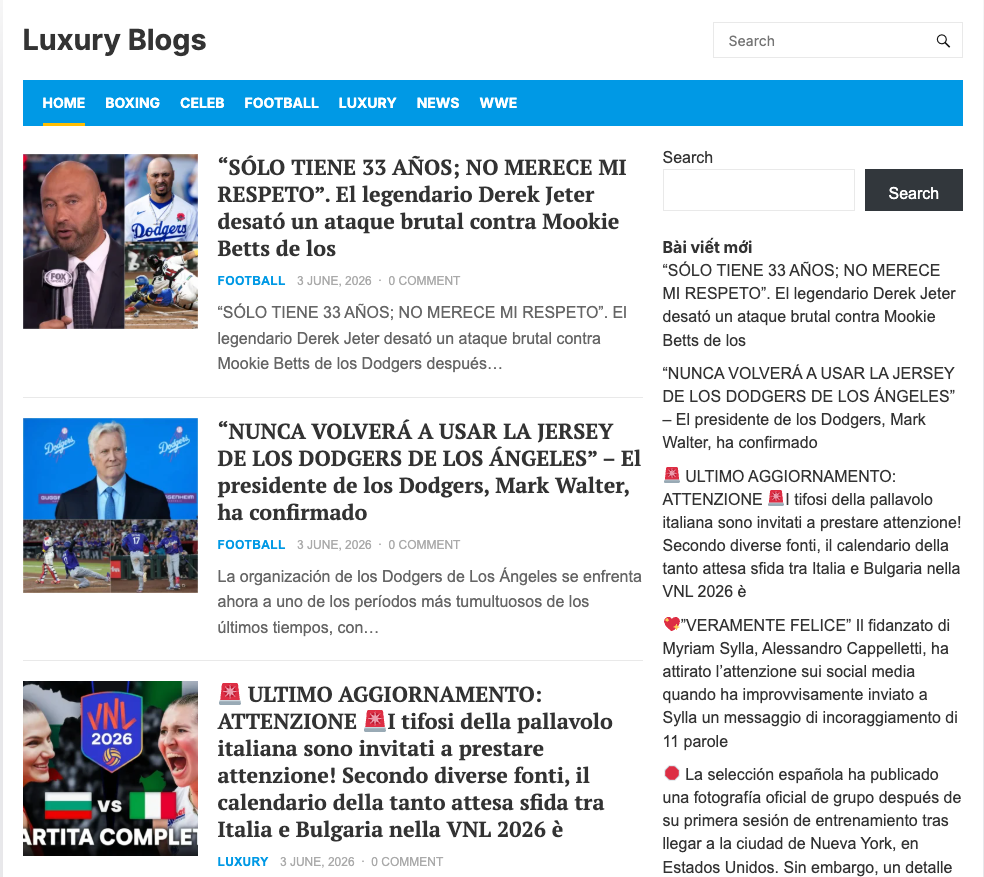
Viewed individually, the stories might seem merely ridiculous. When you zoom out to take a look at the whole, a pattern emerges: The posts are merely engagement bait, carefully crafted to game Facebook’s algorithms and get a click.
At around this point – when I did a quick tally of articles and worked out that each of these pages was churning out upwards of a hundred completely fictitious stories every day – it became clear that this was much bigger than just a few cycling fanpages getting out of hand.
Chapter 2: The funnel
To recap: we have 20 Facebook pages with close to 200,000 followers in total, pushing fake cycling news in multiple languages, linking to two domains publishing a couple of hundred bad stories every day – some of them about cycling, but also about many other niches. Cycling has a fervent fanbase, but those other niches have bigger scale: what appears to be the same network is behind an Arsenal Supporters Club page on Facebook with 71,000 followers, as well as fake news pages for golf (17,000 followers), tennis, ice skating, and Formula 1.
Did we do a good job with this story?