

EVIAN-LES-BAINS, France — The International Testing Authority (ITA) has responded to the growing furor over its pair of overnight anti-doping tests at the Tour de France early Sunday morning, but did not fully explain why those tests took place.
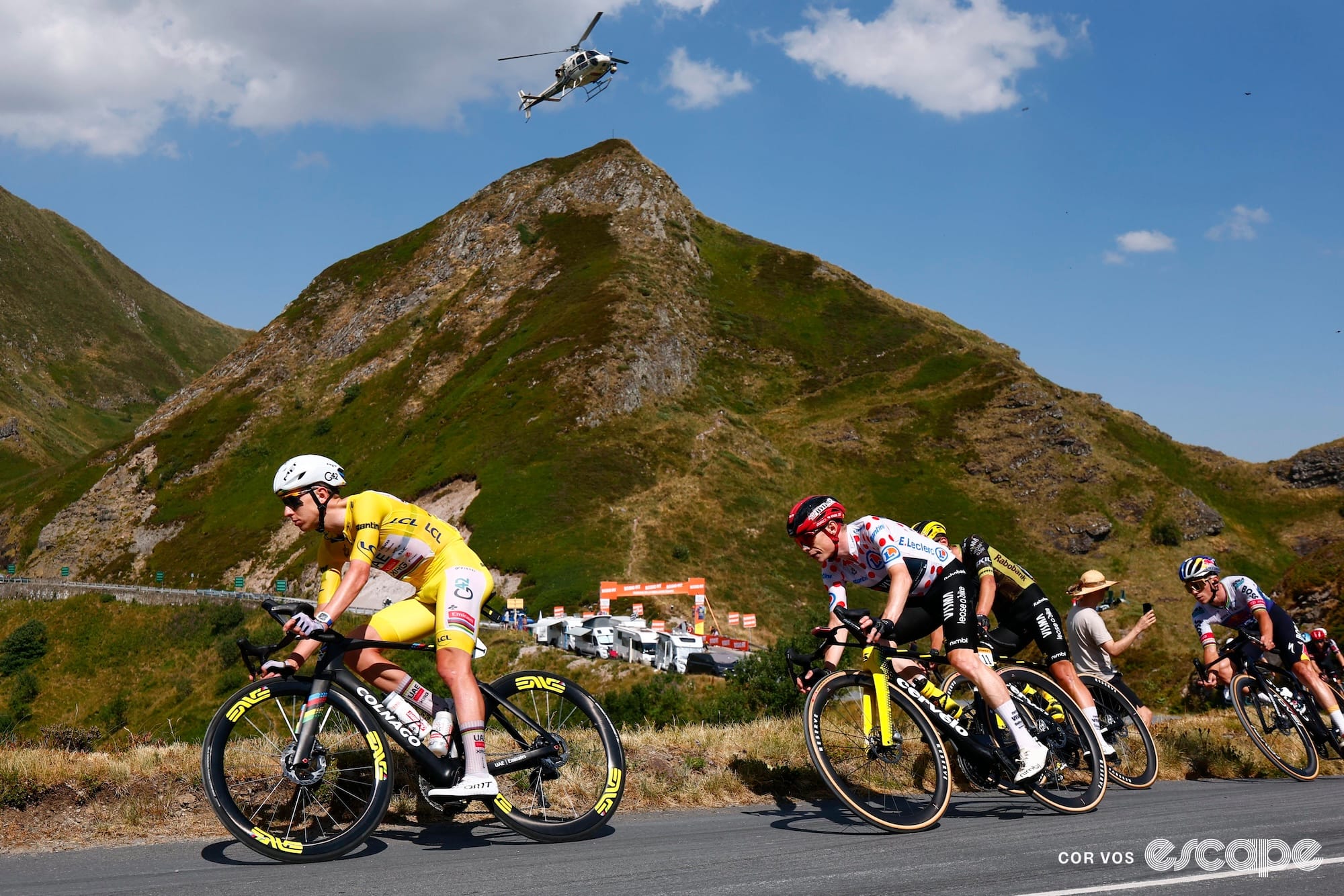
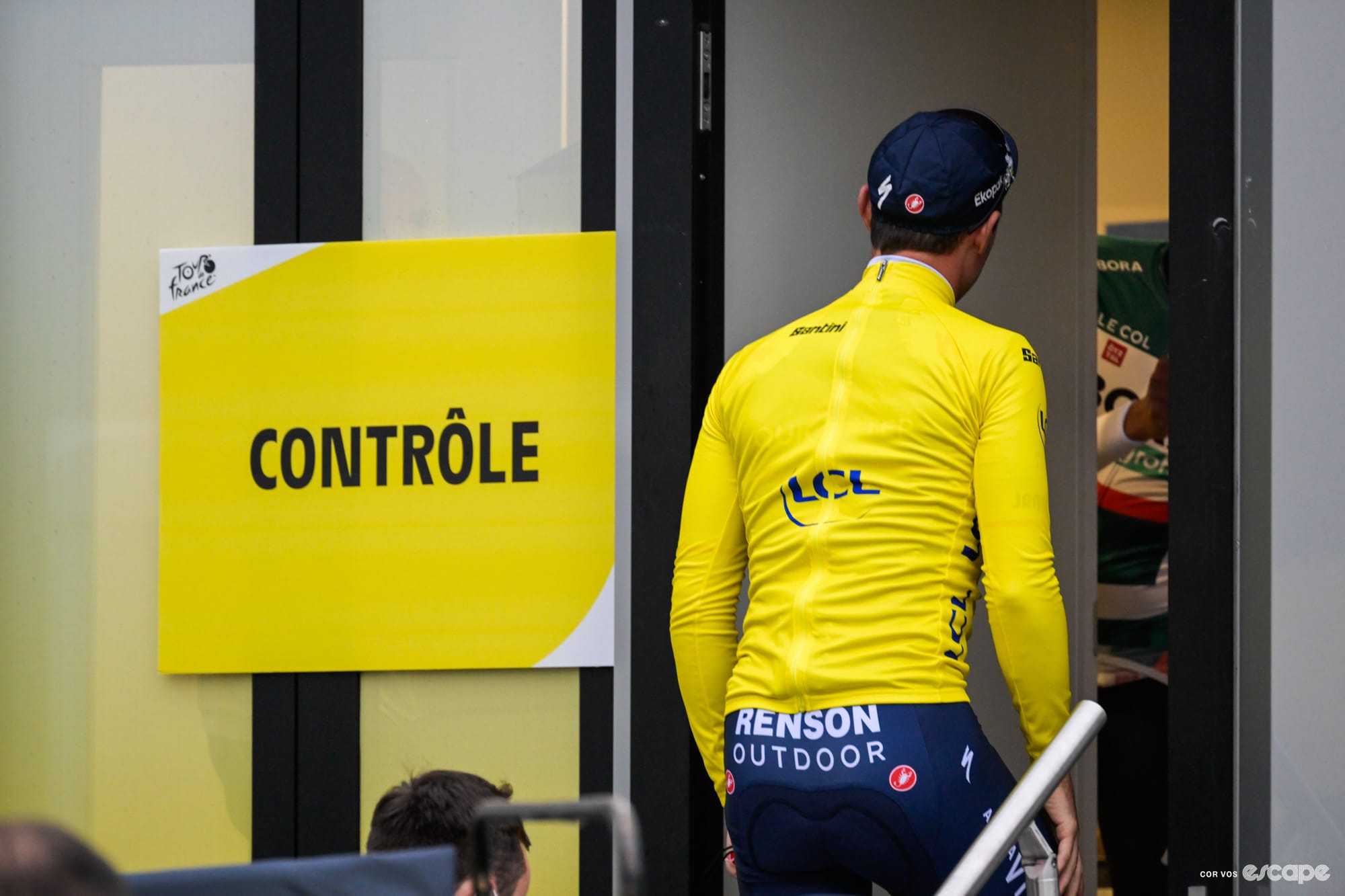
Tour de France leader Tadej Pogačar and second place Jonas Vingegaard were woken for blood and urine tests at 5 am and 2 am, respectively, the night before the Tour's 15th stage, a major mountain stage finishing at the Plateau de Solaison. Both Pogačar and Vingegaard responded cautiously, while others, like Remco Evenepoel, lambasted the practice as inhumane.
"The ITA is conscious that night-time testing may be disruptive to riders' rest and recovery. Due consideration has therefore been given to minimise as much as possible the impact testing activities have on riders," the ITA said in the statement sent to media.
"However, the ITA, on behalf of the UCI, has the responsibility to ensure the effectiveness of the cycling anti-doping program and the integrity of cycling races. As such, effective testing must, in limited and justified circumstances, be capable to occur outside standard daytime hours."
Under UCI and ITA rules, the ITA does not generally test within a window from 11 pm to 6 am, unless an athlete has specifically requested to be tested within that window. An exception, both historically and according to the UCI rule 5.2.2, can be made if the UCI has a "serious and specific suspicion that a rider may be engaged in doping."
Multiple media outlets, including Escape Collective, reached out to both the UCI and ITA requesting clarification on an important question: Does the ITA or the UCI have such suspicions regarding Pogačar and Vingegaard, and if so, why? The ITA statement did not address this particular question.
 Jonny Long
Why test overnight at all?
The ban on testing from 11 pm to 6 am was instituted to protect the rights of athletes, and their vital sleep, but the UCI wrote in its "serious and specific suspicion" exception for a reason. There are known doping products that may clear the system within that seven-hour window where testers are usually prevented from showing up.
Did we do a good job with this story?