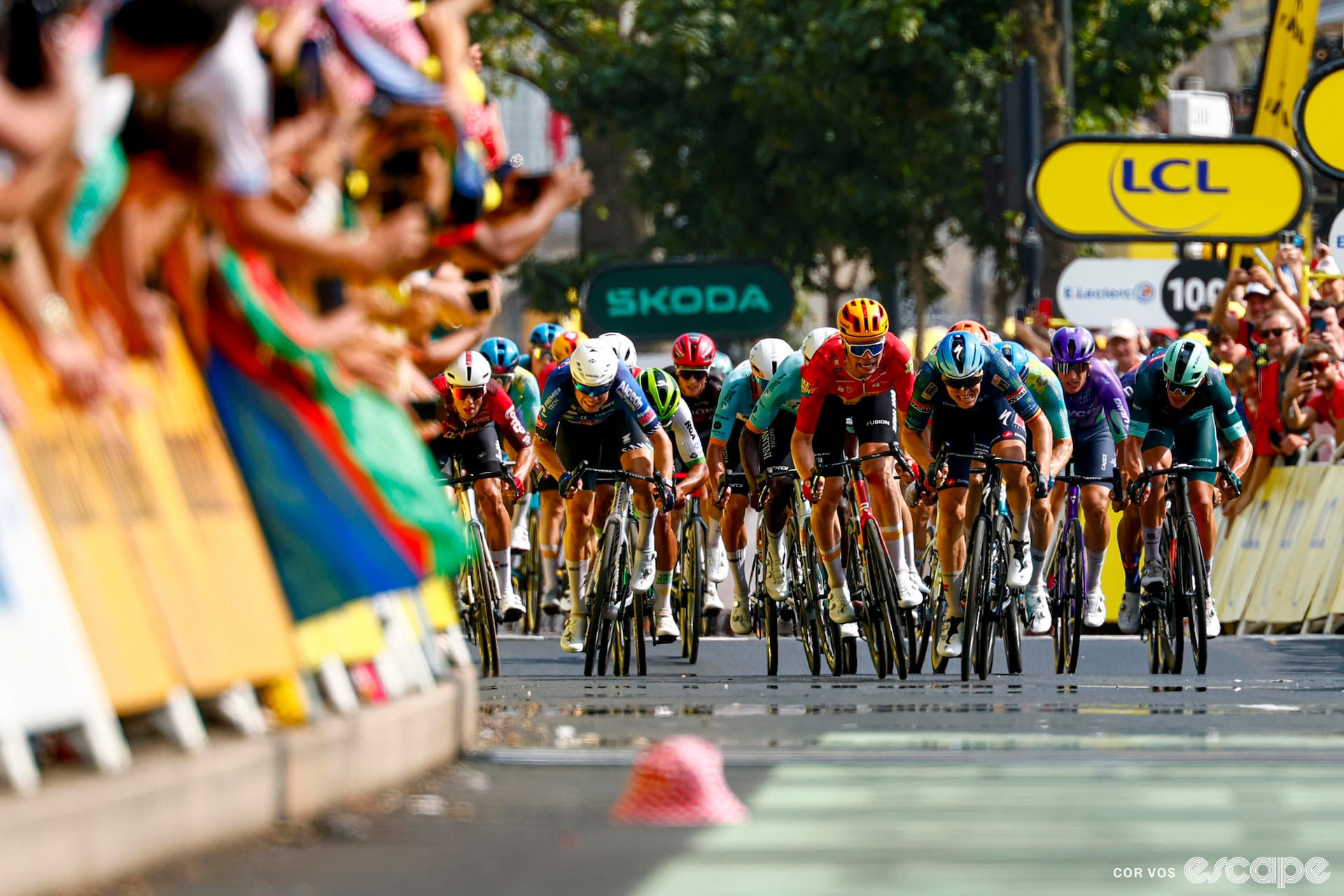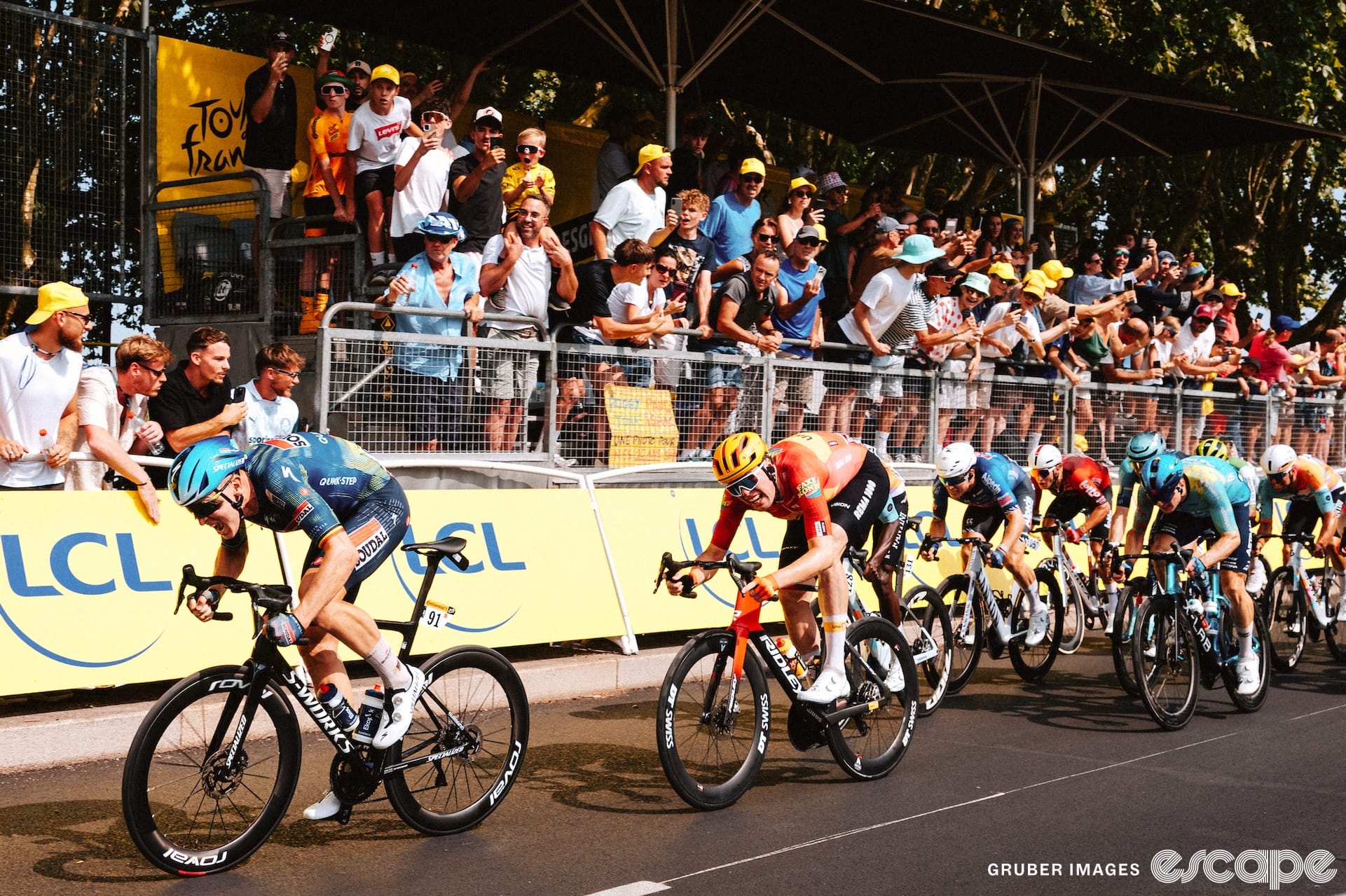

When Torstein Træen rode into the yellow jersey on stage 4 of the 2026 Tour de France, he did so with a new piece of tech hidden inside his helmet. It's not something that makes him any faster or fitter, nor does it measure power, heart rate, or any other performance metrics, but it could have long-lasting effects on riders' health, both during their careers and after.
In fact, the new sensor played no role in Træen's ride into yellow, but two days later, when he crashed on the descent of the Tourmalet, a crash that ultimately took him out of the Tour, Træen became the latest in a long line of examples of why concussion is such a challenge for pro cycling.
 Ryan Newill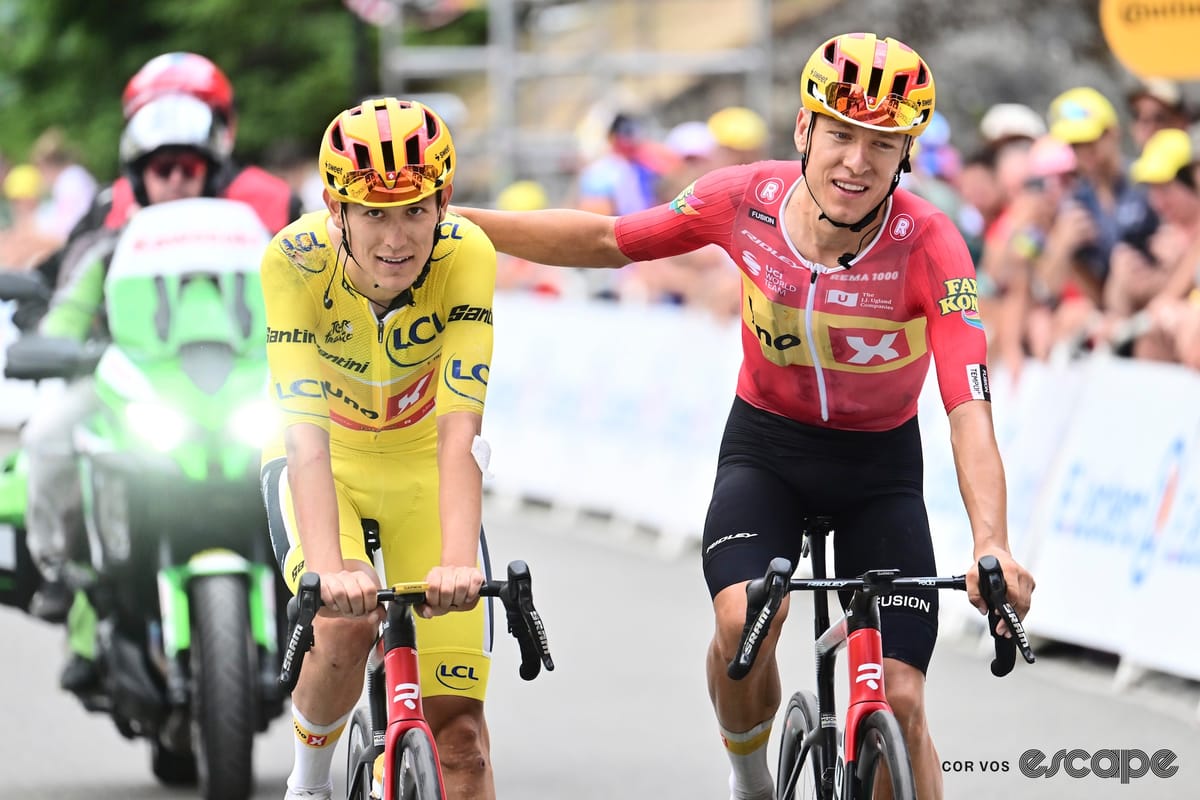
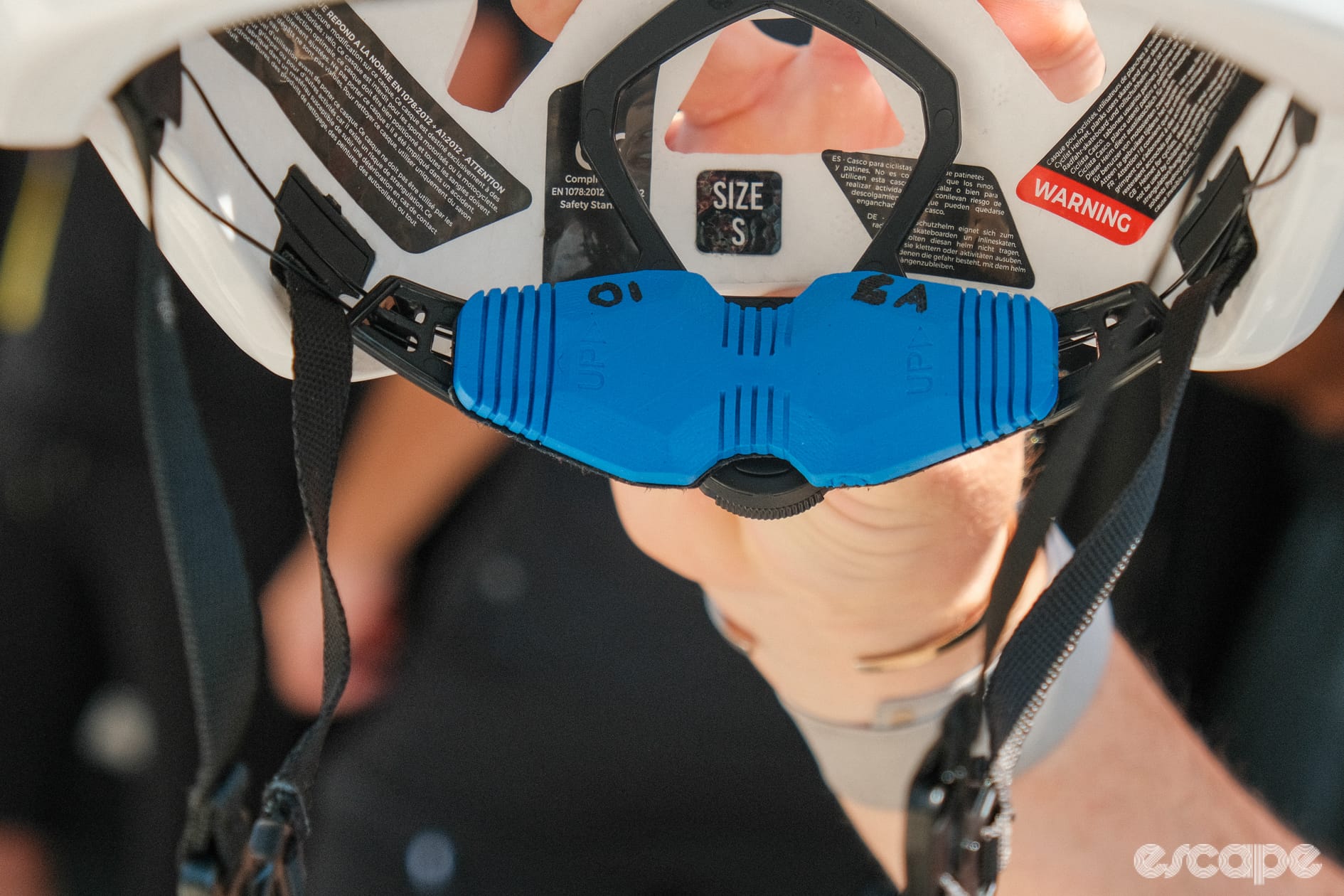
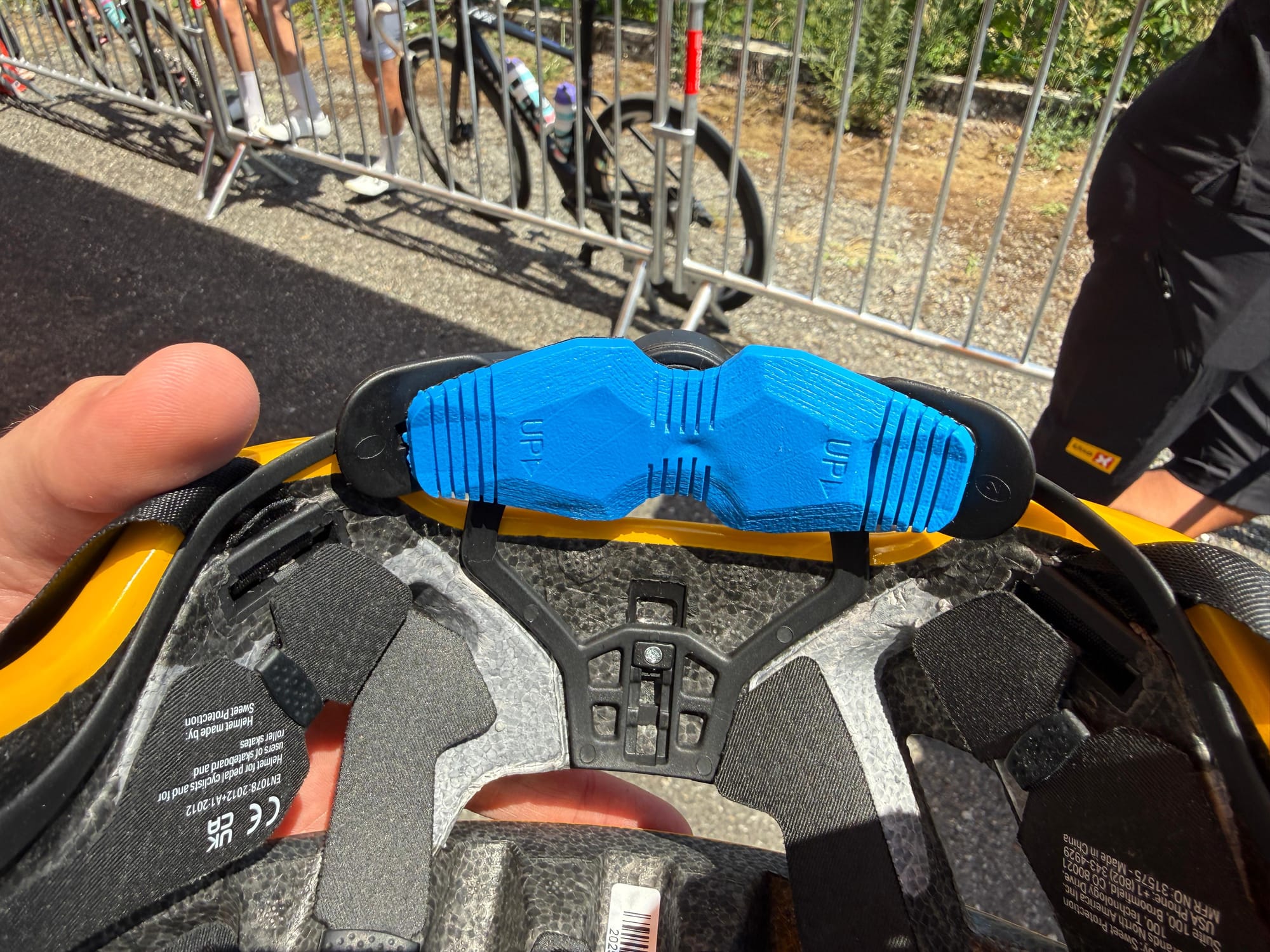
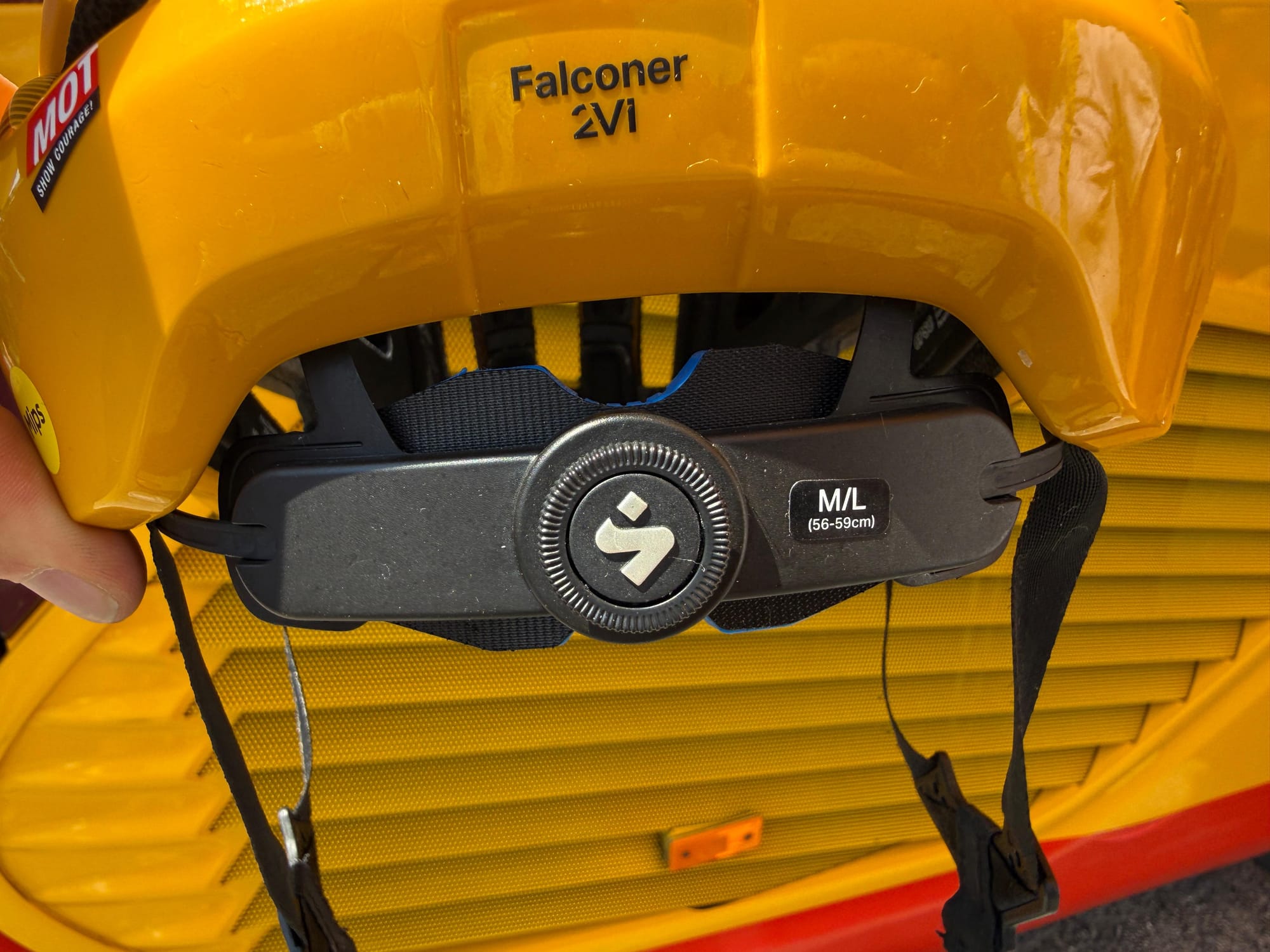
This time was different, though. That sensor in Træen's helmet is a concussion sensor. Attached to the retention system of his helmet, it measures any impact to his head, with the aim of improving concussion management and building a long-term record of his brain health. And he’s not alone; all Uno-X Mobility and NSN riders at this Tour de France have the sensor in their helmets, with more teams joining soon.
While Uno-X have been using the new sensor since the Spring Classics, Træen's crash and the data from it both highlight the importance of such sensors and the challenges – technical and bureaucratic – that the sport will have to address to help meaningfully address the risks of riders continuing on in a race with a head injury.
 Ronan Mc Laughlin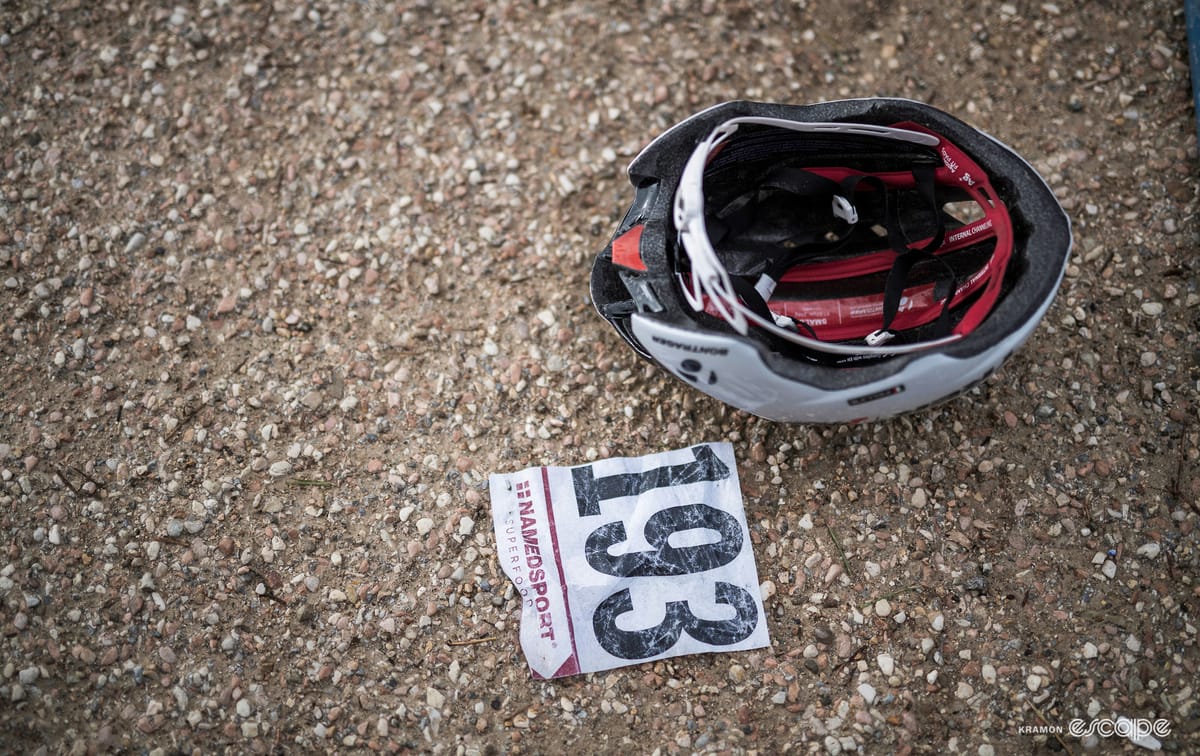
We all know that pro cycling has a concussion problem. Unlike rugby or football, where cameras capture every move and play can stop for medical staff to review every incident, racing is almost the opposite, making for a difficult environment for traumatic brain injury assessment. Crashes often happen off camera, races have injury timeouts, and team doctors are not always present, making early identification particularly challenging.
Unlike broken bones or road rash, concussions are much less obvious, yet they can have lasting consequences for brain health. Professional racing still relies primarily on subjective assessment after head impacts, provided the impact is identified and the assessment happens. Riders often don't know how many concussions they've suffered, medical teams have little objective historical data to work from, and return-to-racing protocols still lean on fixed stand-down periods because cycling-specific evidence remains limited.
And that's among the teams that take concussion management seriously. Others are still much too fast and loose when it comes to TBI, and we still see riders remount after crashes despite showing signs that should raise concern. That not only risks further injury to the rider but can also endanger those around them if they return to the bunch while impaired. Despite what the commentators might say, a rider “getting back on their bike” is not always a good sign.
A lifelong brain health passport
That is the problem Pro MD is trying to solve. Founded by Irishman Harry Gibbons and Australian technology entrepreneur and Olympian John Caliguri, the company has developed a helmet-mounted impact sensor and a medical platform built to give doctors objective data before, during, and after a suspected concussion, and throughout the recovery process.
While a "concussion sensor" for cycling might sound like the headline news here, the sensor itself is only one small part of the story. It records the magnitude, direction and characteristics of a head impact, but speaking with WorldTour doctors and concussion experts already working with Pro MD, they feel the real potential lies in the medical platform behind it. That's where the data is interpreted, combined with a rider's concussion history and recovery metrics, and presented to doctors to support clinical decision-making. Ultimately, the bigger ambition is to build what amounts to a lifelong brain health passport, recording every significant head impact throughout a rider's career.
The idea for Pro MD began after conversations with former pro Luke Rowe and Pinarello-Q36.5 rider Eddie Dunbar following concussion-related setbacks. Rowe was forced to retire (he's now a director with Decathlon-CMA CGM) while Dunbar had just come home early having crashed at Tirreno-Adriatico. Gibbons asked each rider how many concussions they had suffered during their careers. When both answered “I don’t know,” he decided something needed to be done.
Did we do a good job with this story?