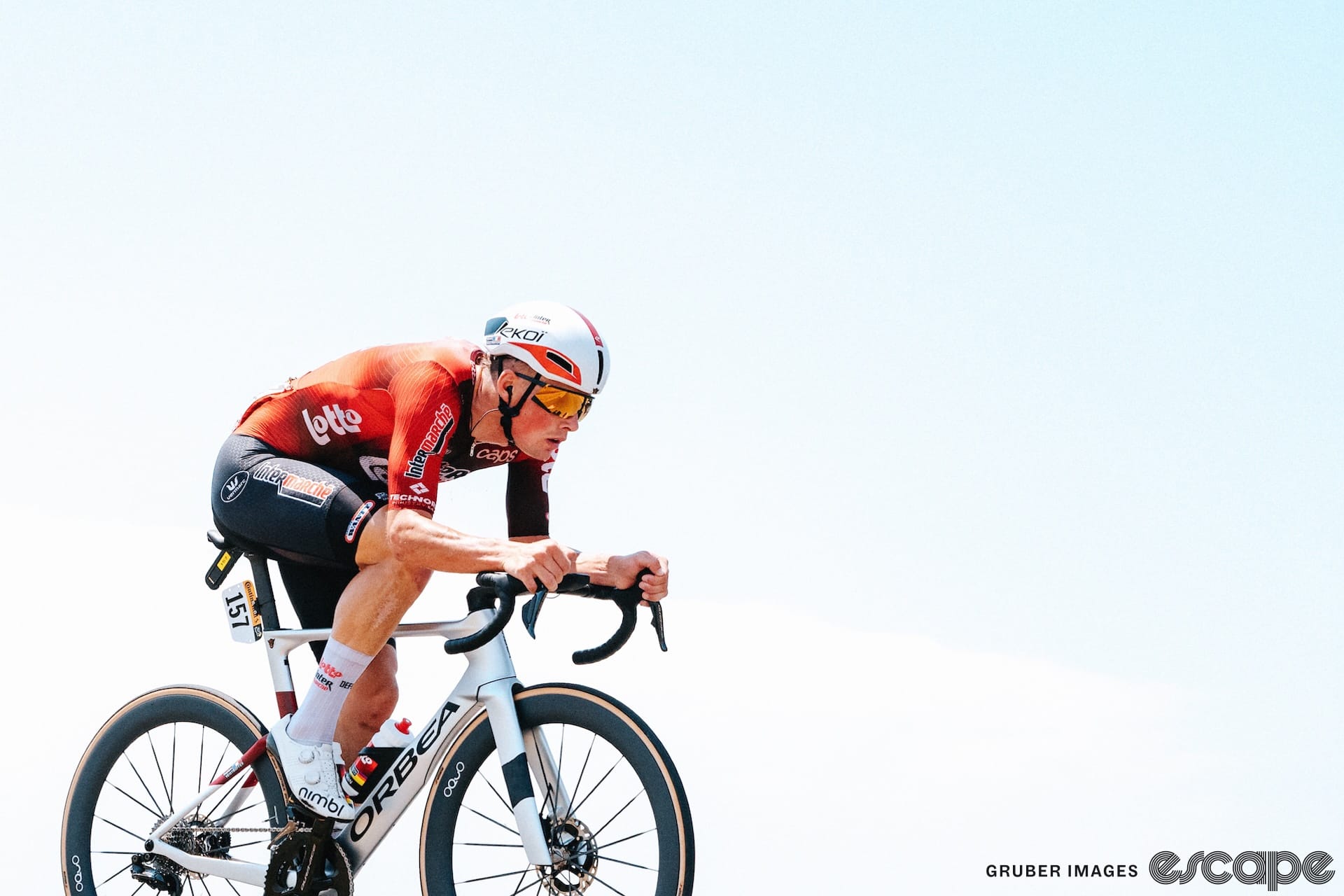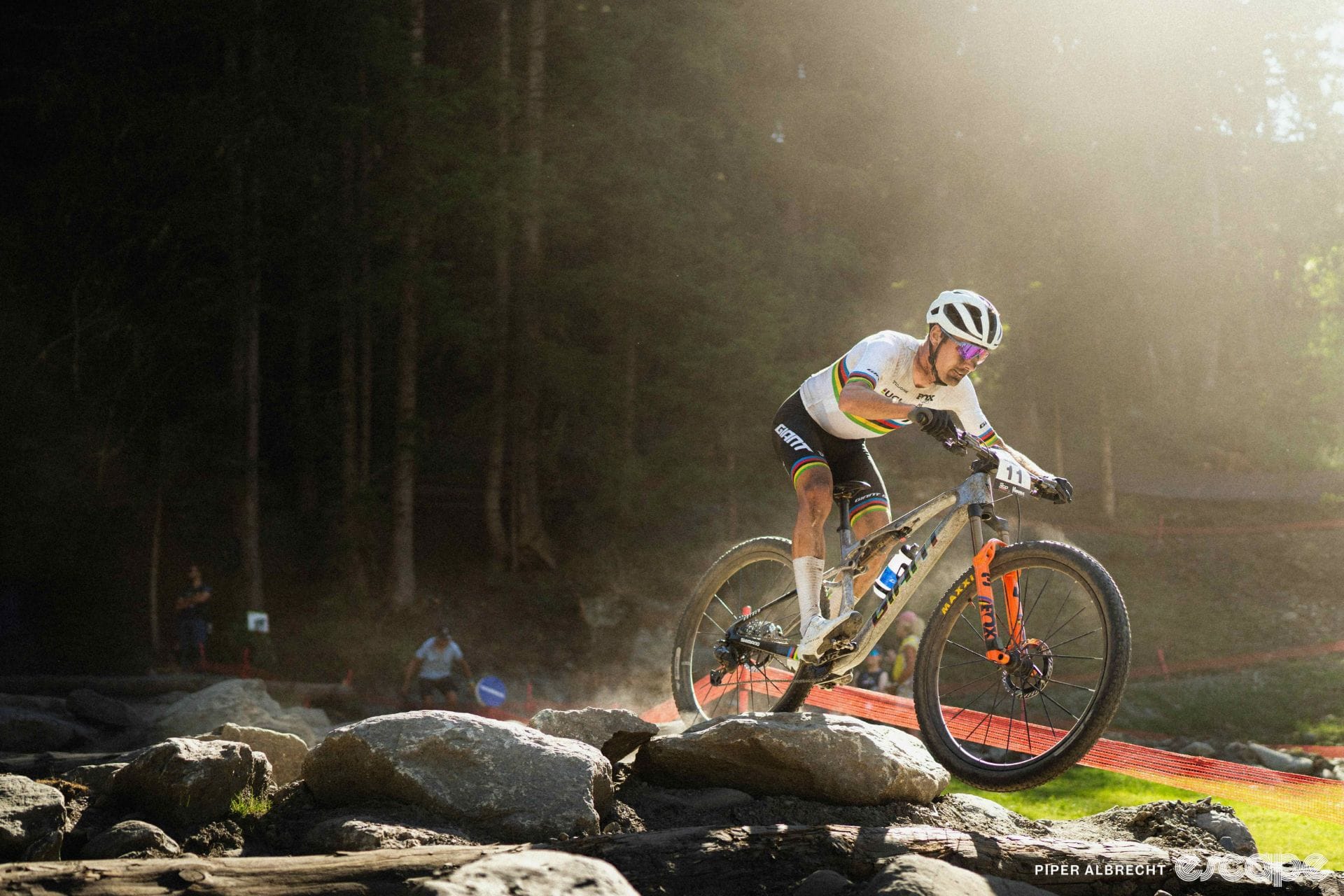


One topic that has continually come up across the countless conversations I have had with XC riders in the past 12 months is their sense that XC courses are getting ‘easier’ and more artificial. It’s not happening by accident, and it isn’t because the riders can’t handle more technical courses.
The reality is that increasingly technical courses open up the potential for races to explode on lap one, leaving riders scattered across the hillside, and creating a race that lacks the edge-of-your-seat feel of bar-to-bar competition.
As a result, courses like Lake Placid, New York, where the race stays together with almost road-race-style tactics, have been preferred, and longer-standing, climb-heavy courses like Andorra, where the series visits this week, have been modified to remove some of the elevation gain, in an attempt to keep the field compact.
 Alex Hunt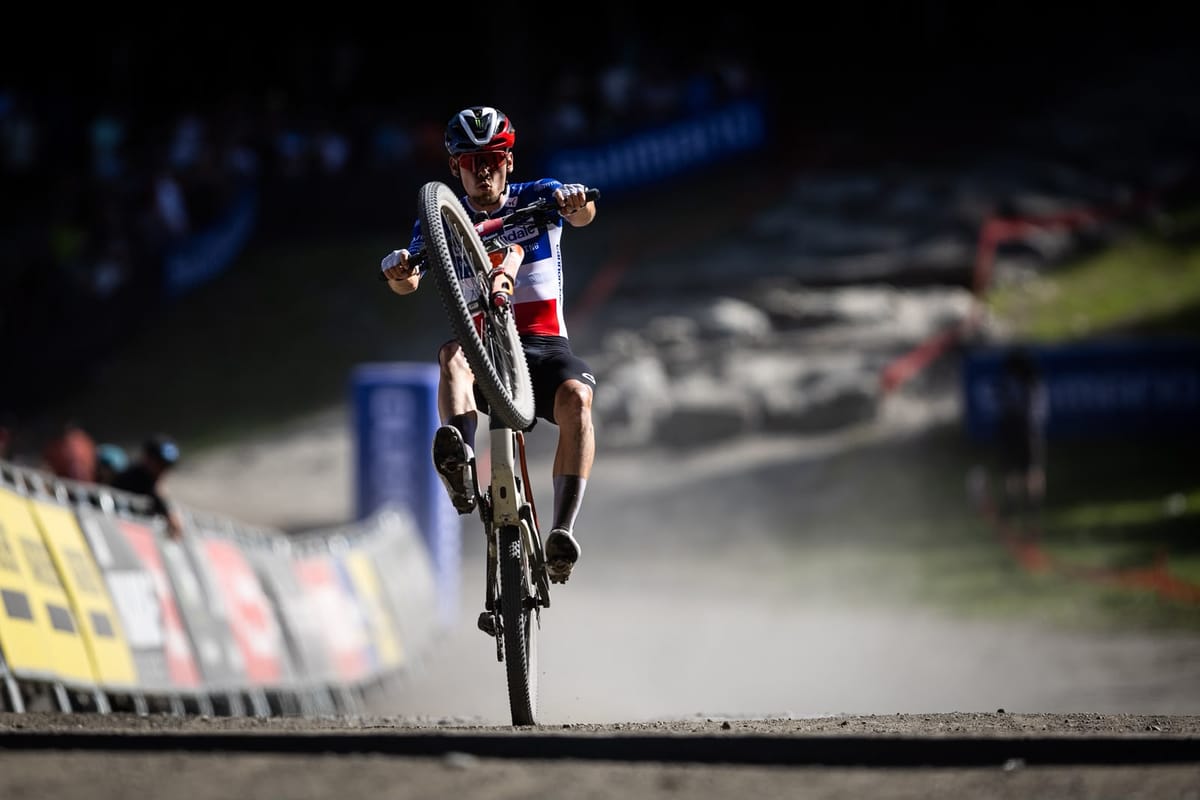
Yet that thinking increasingly feels at odds with the bikes themselves. Modern XC race bikes are longer, slacker, and more capable than ever, yet many courses continue to be toned down rather than asking more of the riders and their equipment.
After the arrival of Crans-Montana, Switzerland in 2024, World Cup XC courses have generally toned down the technicality. So when riders started arriving in La Thuile, Italy last Thursday and began posting course recon content to social media, it became clear the new Italian stop on the World Series calendar bucked these trends.
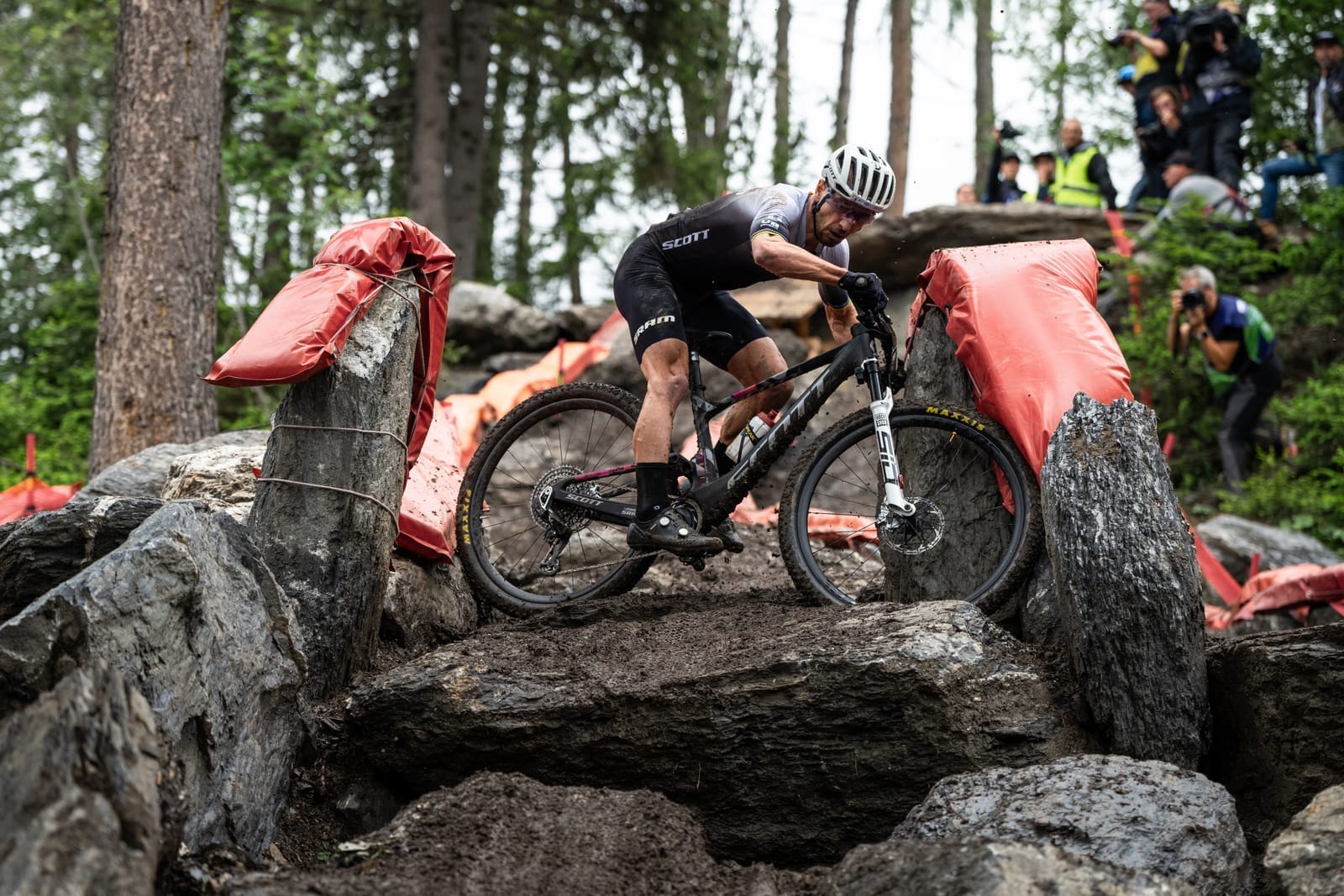
Amid all the action, La Thuile proved an important point about XC course design: Technical courses don't necessarily mean races explode. The right kind of technical course can create more interesting racing because the strengths of different riders balance out over the course of a lap.
A well-balanced course
Across the men’s and women’s elite races, the racing in La Thuile was some of the most compelling we have seen in recent seasons, for one simple reason. Neither race looked to be settled until the penultimate or last lap. Both races were attritional, but neither was decisively split until well past the hour mark.
Did we do a good job with this story?