

When it comes to picking a groupset for a gravel bike, most people typically choose between SRAM or Shimano. If you’re feeling fancy, then Campagnolo may creep into the conversation. If you’re on a tight budget, then you may turn an eye to Microshift’s all-mechanical Sword. Meanwhile, those wanting something different may look (or have looked) to the likes of FSA, Rotor, or TRP/Classified.
Among those options is a clear emergence of Chinese manufacturers and brands wanting a piece of the shifting pie. Names such as L-Twoo, Sensah, Magene, S-Ride, and Wheeltop are now all over Chinese marketplaces such as AliExpress, and the brands are increasingly leveraging influencers across YouTube and other social platforms to gain international awareness.
 Iain Treloar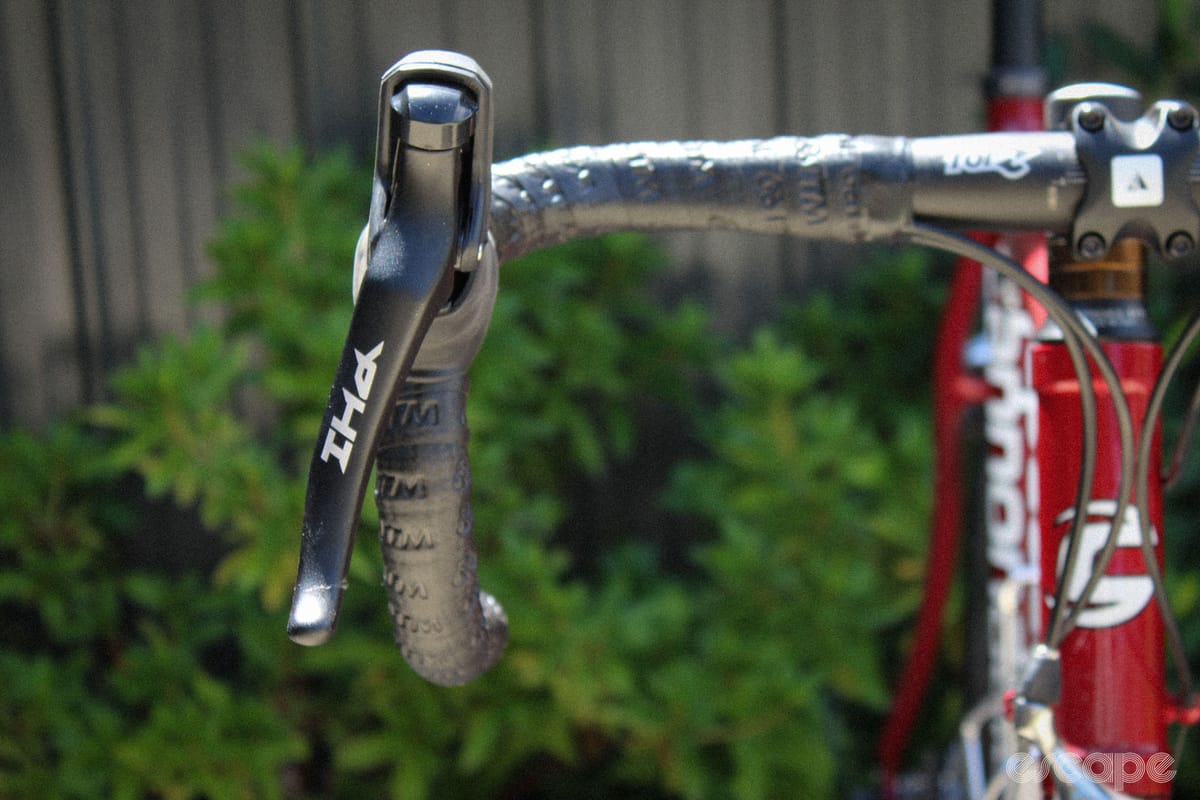
Some of these brands were born through manufacturing for others, with Wheeltop being one such example. Having started manufacturing parts back in 1951, Wheeltop didn’t begin developing its own consumer-facing product range until 2015. It took until 2022 for the first of its EDS wireless products to hit the market (the OX series for mountain bikes), and since then, the company has quickly expanded into gravel, road, and time-trial products. More recently, there’s been the seemingly complicated acquisition of Rotor (a developing story), with some of the EDS tech making it into Rotor’s Uno group.
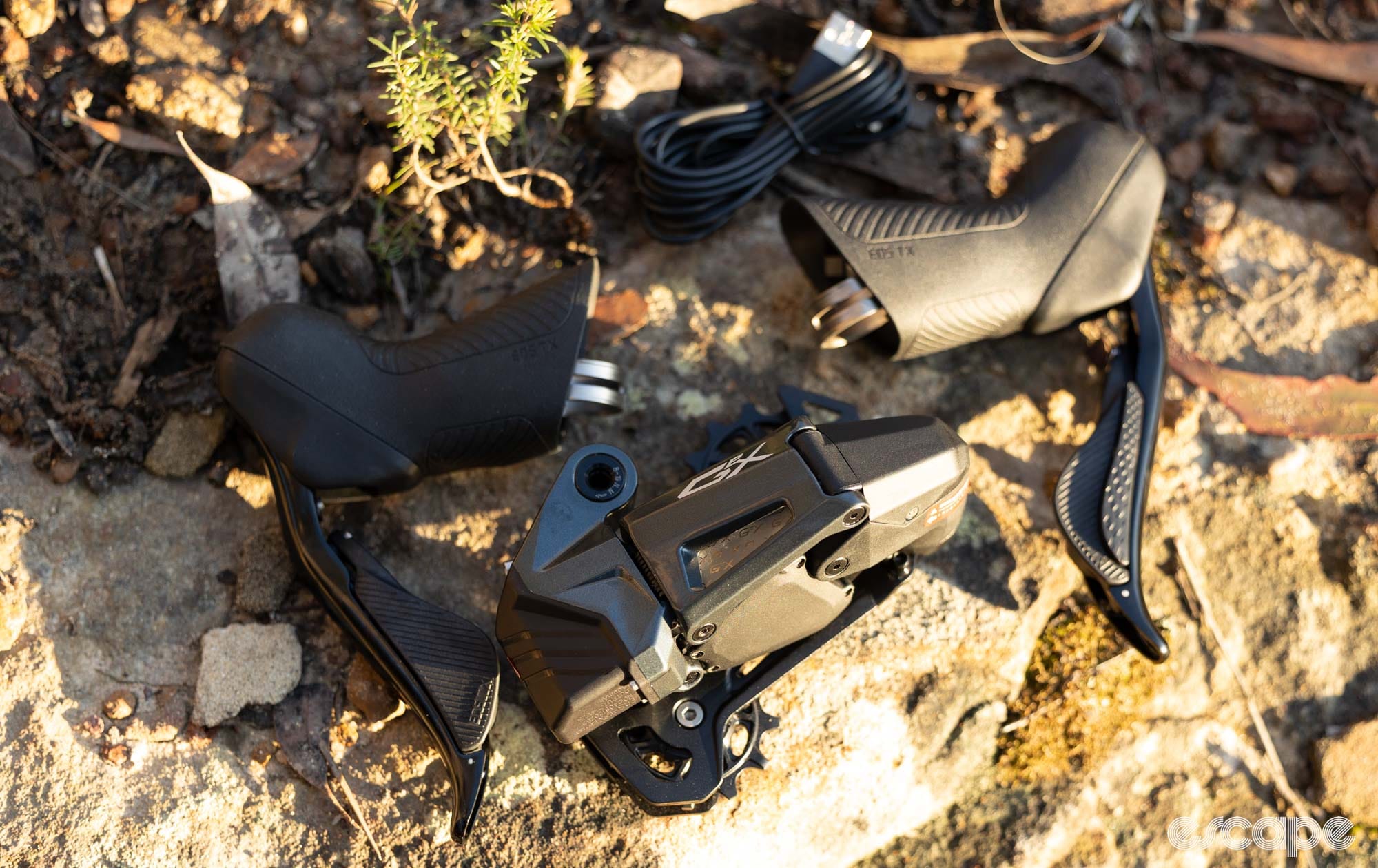
Wheeltop’s EDS GeX gravel group launched in late 2024. It’s a 1x-specific shift and brake groupset that includes a rear derailleur, pair of dropbar shifters, and matching hydraulic disc brake calipers (Flat Mount). Like Wheeltop’s other EDS products, the brand and speed (aka, number of gears) of the cassette are left for the customer to decide. The open compatibility makes it an intriguing option for those looking to add battery-powered shifting to a pre-existing drivetrain.
It’s been almost a year since I first put these well-priced 3-14-speed components onto a bike, and it’s finally time to share the many thoughts whirling in my head.
Highs: Compact form factor, open multi-speed design fills market gaps, secure chain retention, well-priced.
Lows: Finicky app, wheel removal is a fight, rear derailleur charging port is in an awkward place, plastic where I want rubber on the shifter, vague shift buttons, brakes lack bite, limited service information, early days for localised product support.
Wheeltop and the EDS lineup
Wheeltop is all-in with electronic groupsets. The mountain bike shifter and rear derailleur combo is where things started, and that's now in its second generation. Meanwhile, the dropbar stuff is a bit fresher, with the main act being EDS TX, a 2x wireless road group with both hydraulic braking or mechanical brake options available. That 2x road stuff is also available with time-trial shifters via EDS TT. And then there’s the GeX gravel groupset tested here, a 1x dropbar version with a bit of shared tech in the derailleur, levers, and hydraulic brake calipers.
It’s worth noting that what you get with Wheeltop isn’t a whole groupset, but rather more a shift and brake upgrade kit to fit with an existing bike. It’s BYO for the cassette, chain, crank, and brake rotors. Still, the company clearly has ambitions to offer it all, with cranksets now in the range.
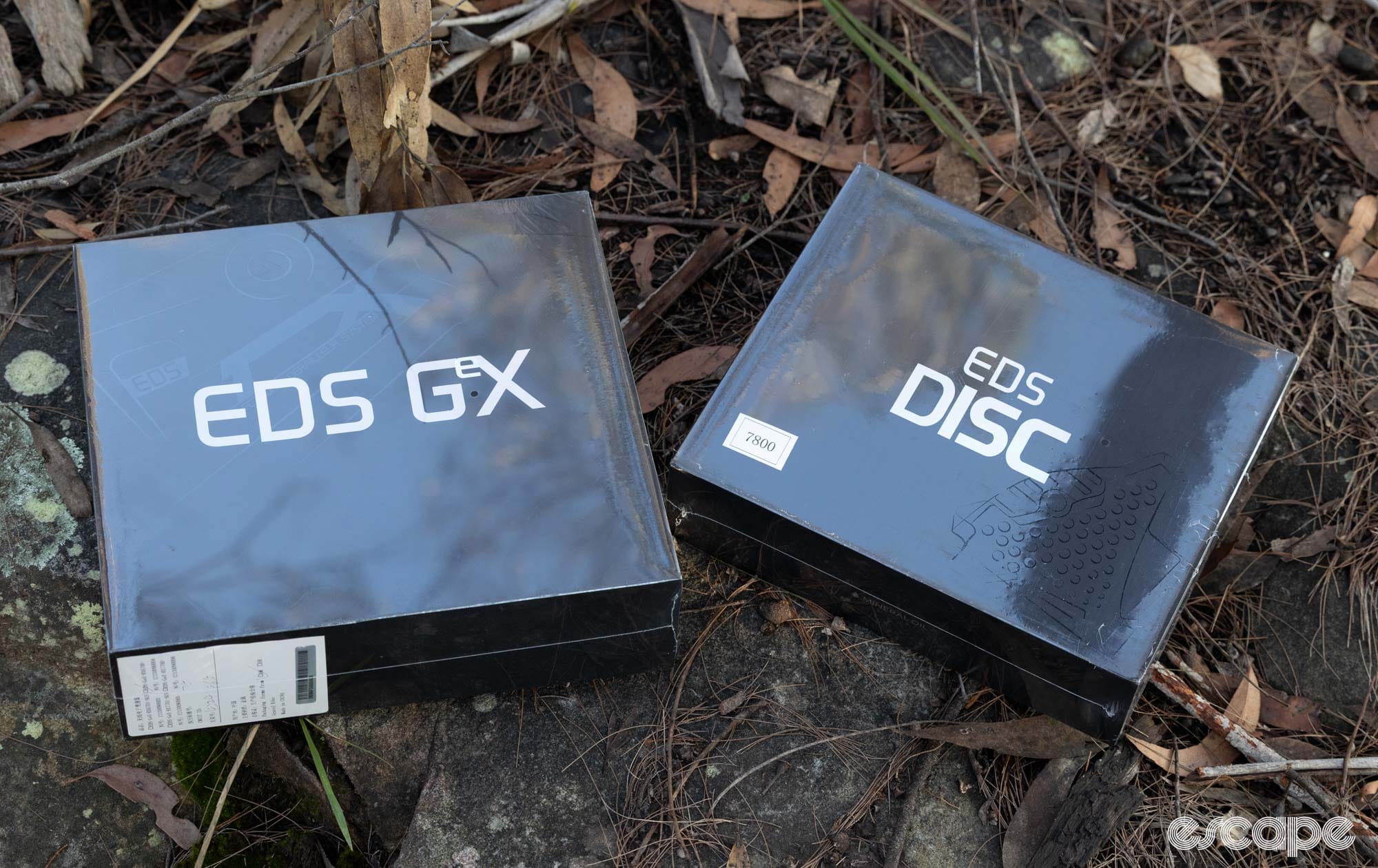
The big headline-grabber is that EDS is compatible with just about any cassette speed you wish, assuming it’s somewhere between 3- and 14-speed (not a typo). The second big story is the price. Where the well-established brands offer multiple price points worth of components, Wheeltop’s range is quite a bit simpler and in many cases there’s just a single price option to choose. For EDS GeX, there are two price tiers, the only difference being alloy or carbon lever blades.
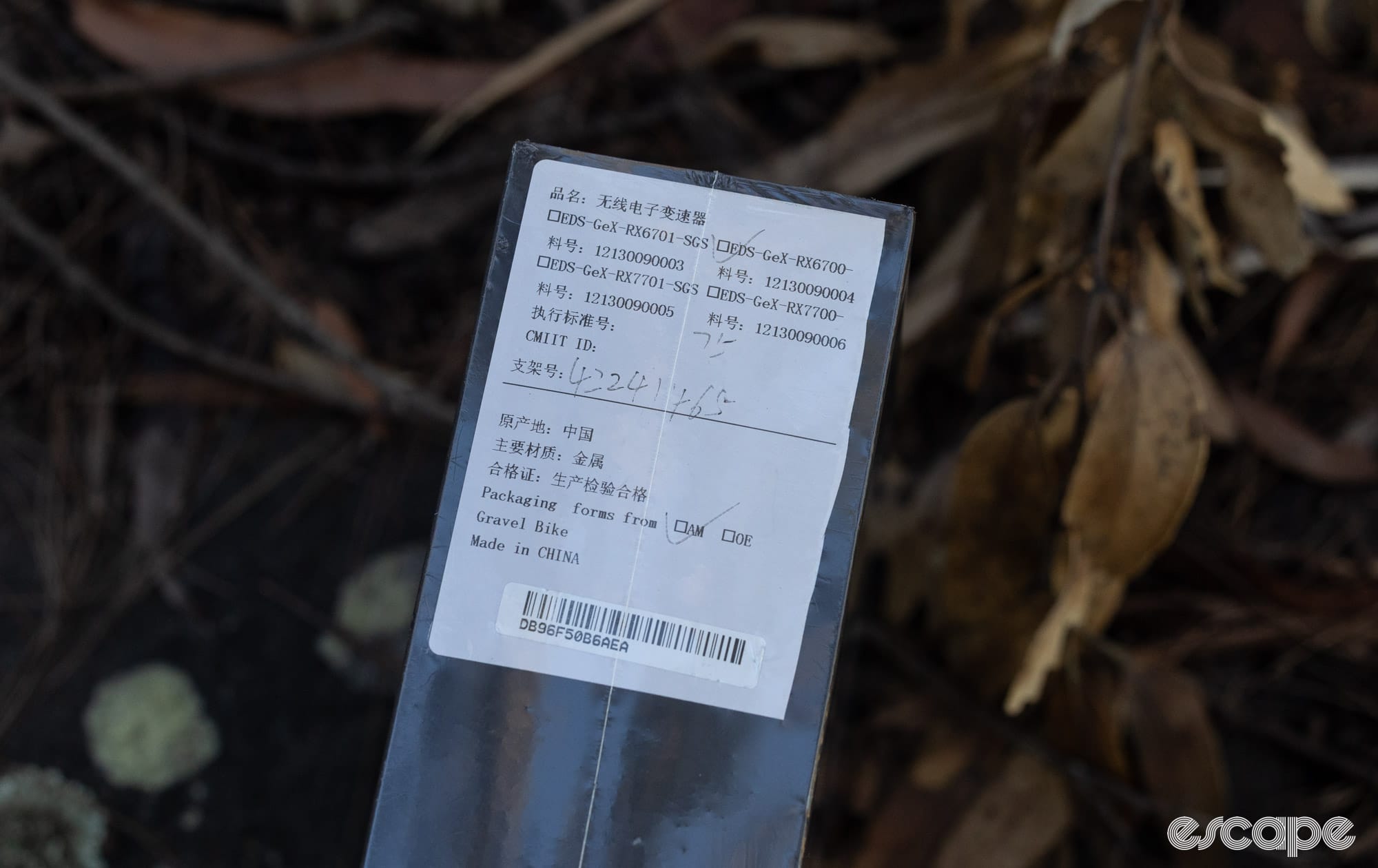
An EDS GeX rear derailleur, pair of alloy-levered shifters, and brake set has a marked retail price of US$900 / €859 / £741 / AU$1,159. Choosing the carbon lever adds approximately US$50. These prices put it roughly inline with SRAM Rival XPLR, which retails for US$979 for the rear derailleur, battery, shifters, and brake calipers. Meanwhile, the same components in Shimano’s entry-level RX715/717 wireless range retail at US$915.
However, when it comes to WheelTop, it seems very few people pay the market price. The entire time I’ve been looking into and riding WheelTop, the options have been discounted by at least 9% on the company’s own website, while marketplaces like AliExpress often have it even cheaper.
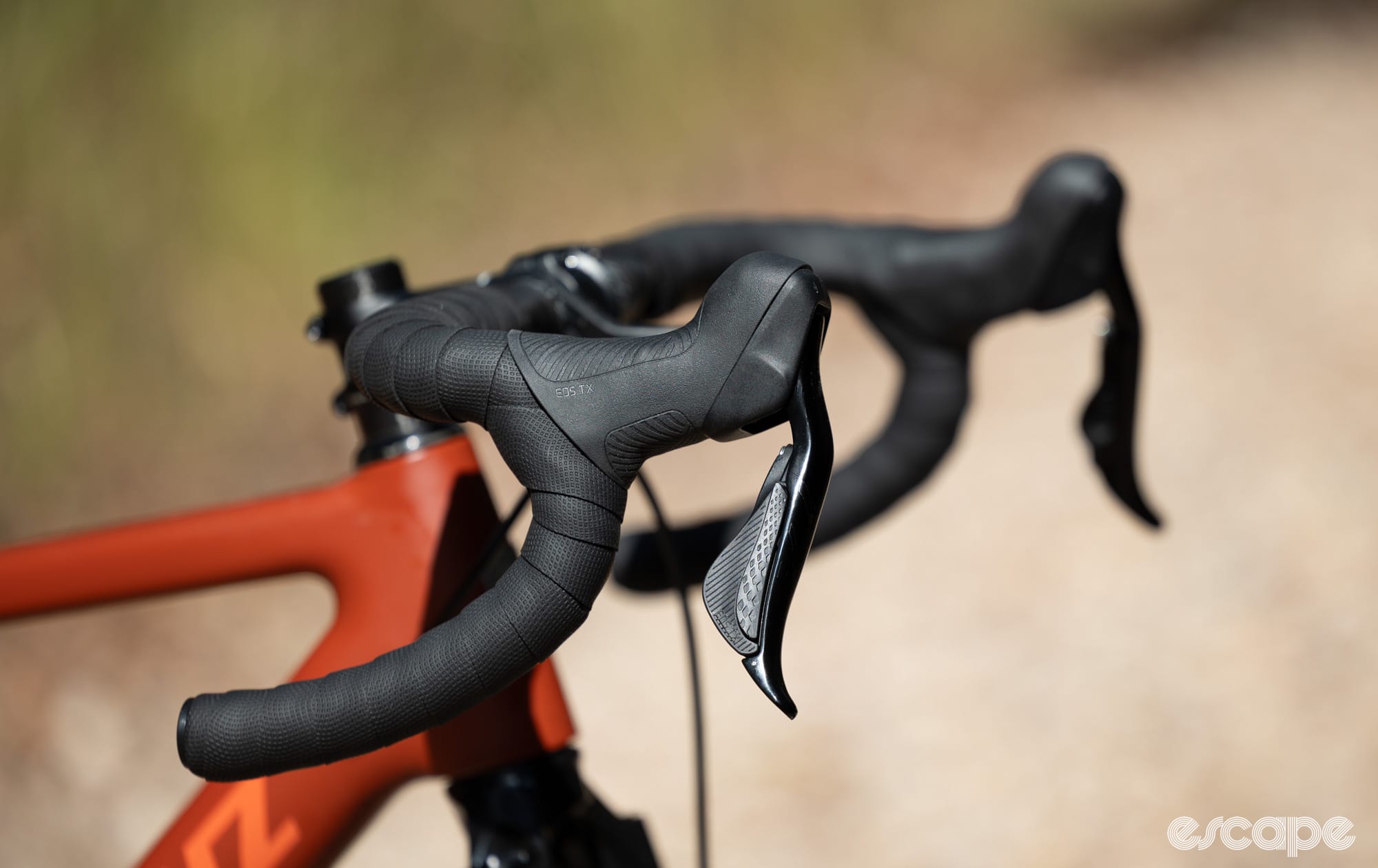
The EDS groups offer a few familiar design elements. The GeX wireless shifters are reminiscent of first-generation SRAM RED eTap, but with a Shimano-like stacked button layout on the right lever, while the left lever offers a single button behind the brake lever (the function of each button is customisable via an app). The shifters each run off a single CR2032 battery. The hydraulic brakes utilise a mineral oil similar to Shimano's, although the exact fluid compatibility is not specified.
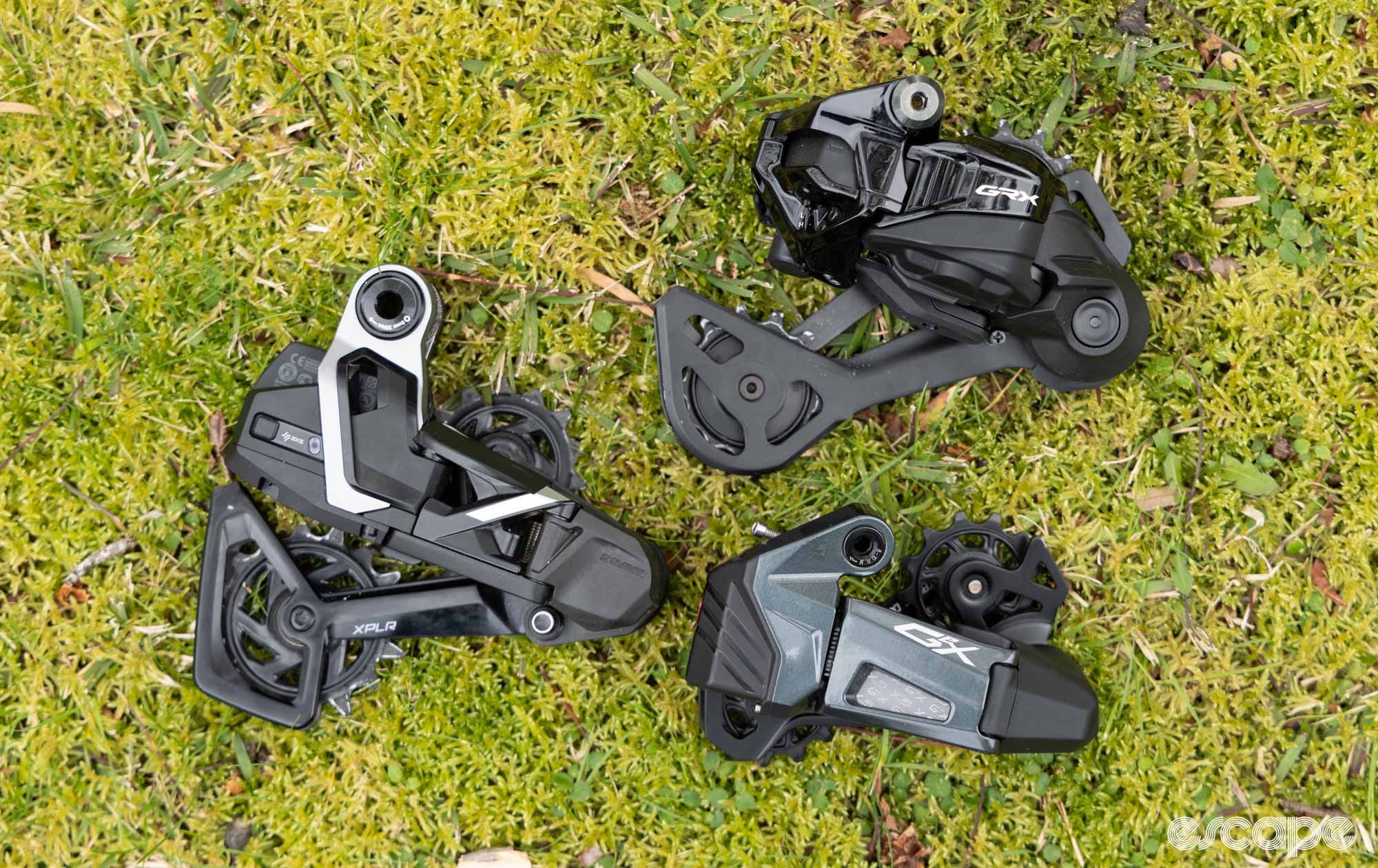
The truly wireless rear derailleur also gives off old-SRAM vibes in its aesthetics (but not in its design) and mounts to any standard derailleur hanger. Meanwhile, the provided machined one-piece aluminium brake calipers look more boutique, like a Hope or Trickstuff brake.
The rear derailleur has a bunch of interesting tech squeezed within its small form factor. Part of this is achieved through a semi-integrated lithium-ion battery. However, that 800 mAh battery is noticeably bigger than the 300 or 305 mAh that SRAM and Shimano wireless derailleurs utilise. Meanwhile, another element of the compact design is that the motor unit doubles as the backplate to the parallelogram.
Wheeltop offers two derailleur cage lengths for GeX. The short cage (75 mm) is intended for cassettes up to 46T, while the long cage (93 mm) is designed to handle cassettes up to 52T. The cages are aluminium, with the 12T pulley wheels smoothly spinning on sealed bearings.
The GeX derailleur then features a firmly sprung clutch mechanism for chain retention, and while the clutch tension is adjustable with an 8 mm socket, there’s no mechanism to release it or hold the derailleur in position for easier wheel removal.
 Dave Rome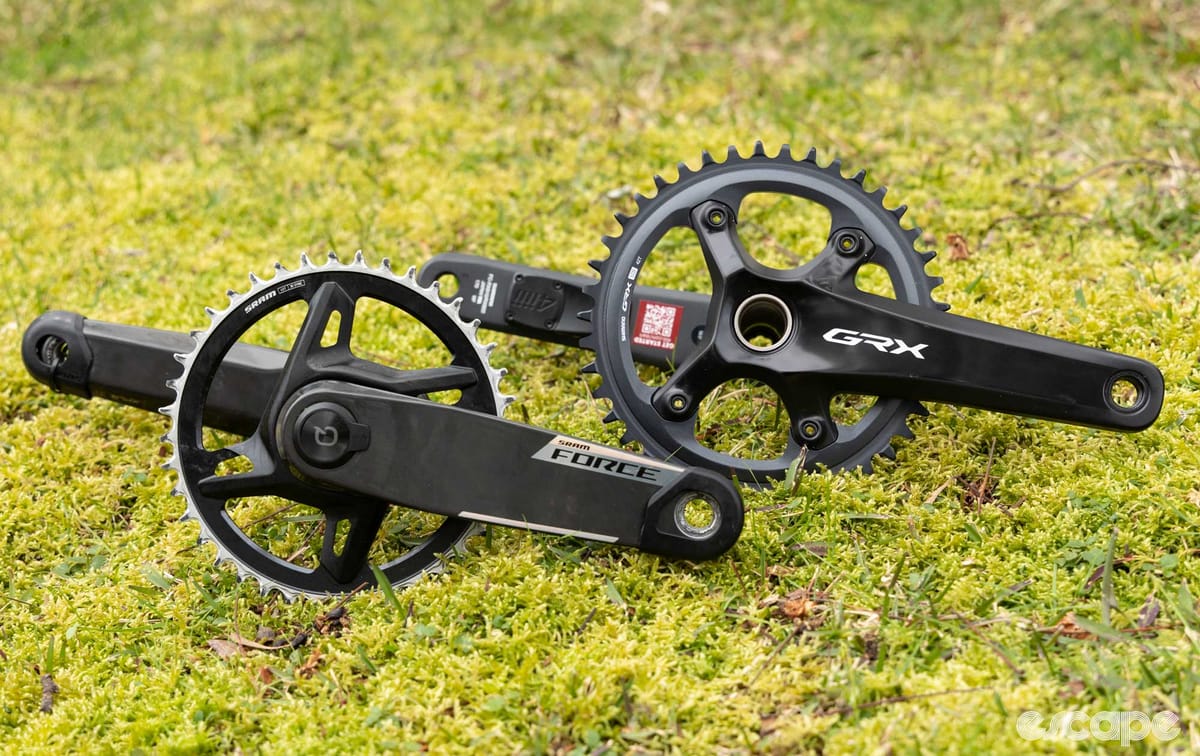
Weight-wise, an EDS GeX rear derailleur in the short cage version weighs 406 grams, a pair of shifters are 460 g, and a pair of calipers with uncut brake hoses add another 282 g. As a sum of parts, those weights edge out the likes of SRAM Force E1 and Shimano GRX RX817, and of course, Rival and lower-cost Shimano options are even heavier.
Did we do a good job with this story?