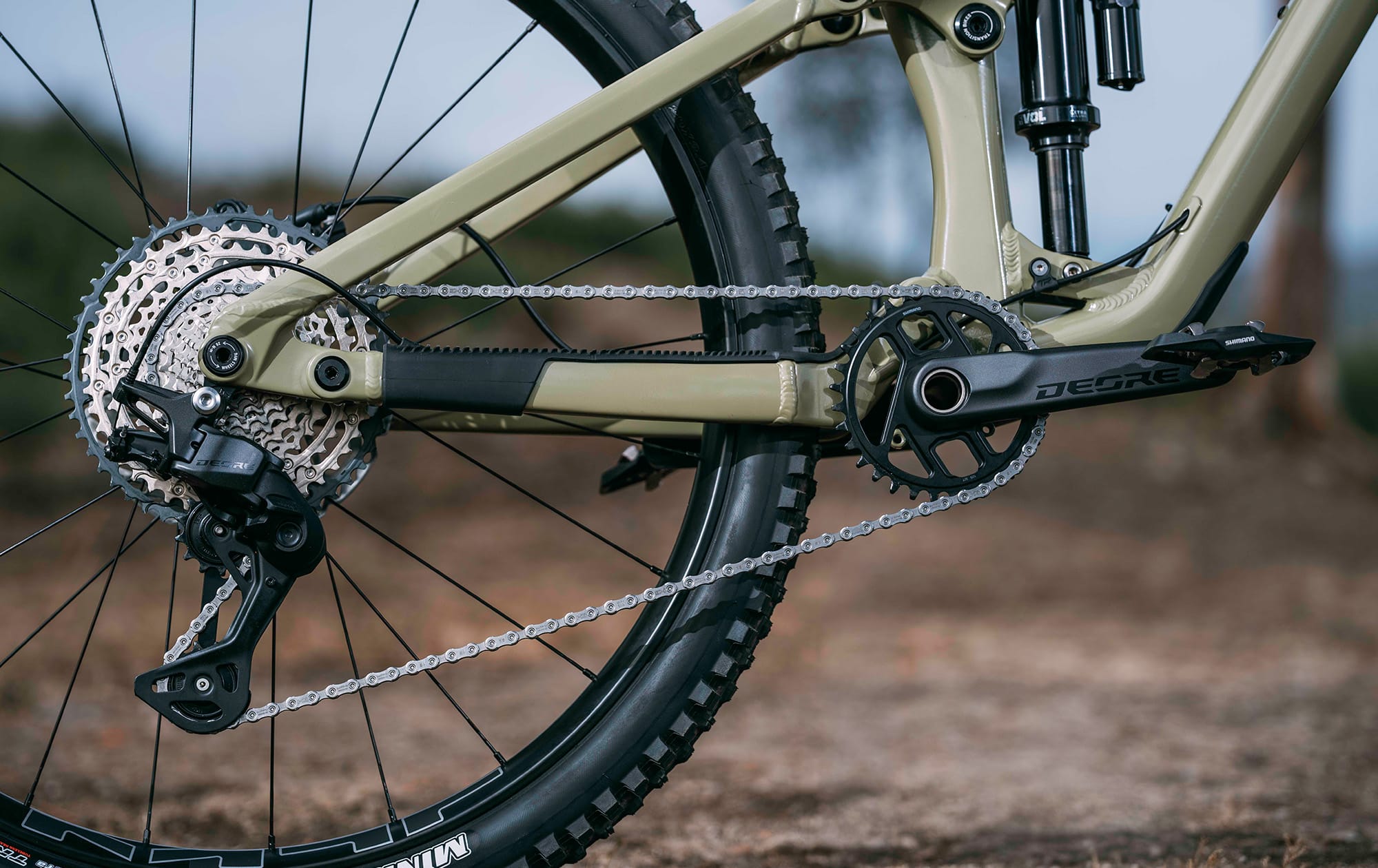


Road bikes have long settled on 700c wheels, and while mountain bikers seem to change their minds more often, by and large, the industry has now settled on 29" wheels across the board (700c and 29" use the same rim diameter). By the time gravel bikes went mainstream in the 2010s, they were a cocktail of design elements that met road and mountain bikes in the middle, whilst dabbling in 650b wheels.
As the mountain bike world went from 26" to 27.5" to 29" – and now potentially to 32" – a familiar set of arguments typically justified each shift. Larger wheels roll over obstacles more easily, maintain momentum better, and smooth rough terrain more effectively. Only a few weeks back, Robin Gemperle won Unbound XL aboard a 32” prototype Scott gravel bike, adding further weight to the argument that there is something to be said for bigger wheels.
32" wheels have sparked an ongoing conversation around rollover performance and rolling resistance, particularly on off-road terrain. On paper, the concept is simple: a larger wheel encounters obstacles at a shallower angle of attack, reducing the energy required to roll over them. But for some of the people experimenting with the format, that direct performance benefit is only part of the story.

World-renowned Australian custom framebuilder and bike fitter Darren Baum, of Baum Cycles, believes the real significance of 32" wheels might not be the size of the wheel itself. Instead, he argues that the packaging challenges created by fitting such large wheels into a bicycle force designers to revisit decades of inherited thinking about geometry, rider position, weight distribution, and handling.
In his view, many of the characteristics that define modern gravel bikes were never necessarily optimised for balance, grip, or fit from the outset. Rather, he explained that they emerged from material constraints and racing necessity, which have since become accepted as design conventions that needn’t have remained.
If Baum is right, 32" wheels may represent more than just another increase in diameter. They may provide an opportunity to rethink some of cycling's longest-standing assumptions about what makes a bike work.
Bigger wheels force better weight distribution
Much of the discussion around 32" wheels has focused on the primary gains that larger wheels offer, directly related to the terrain. But Baum argues that some of the biggest advantages may come from the less obvious elements of bike design that have to be reconsidered when packaging larger wheels into a frame.
 John Karrasch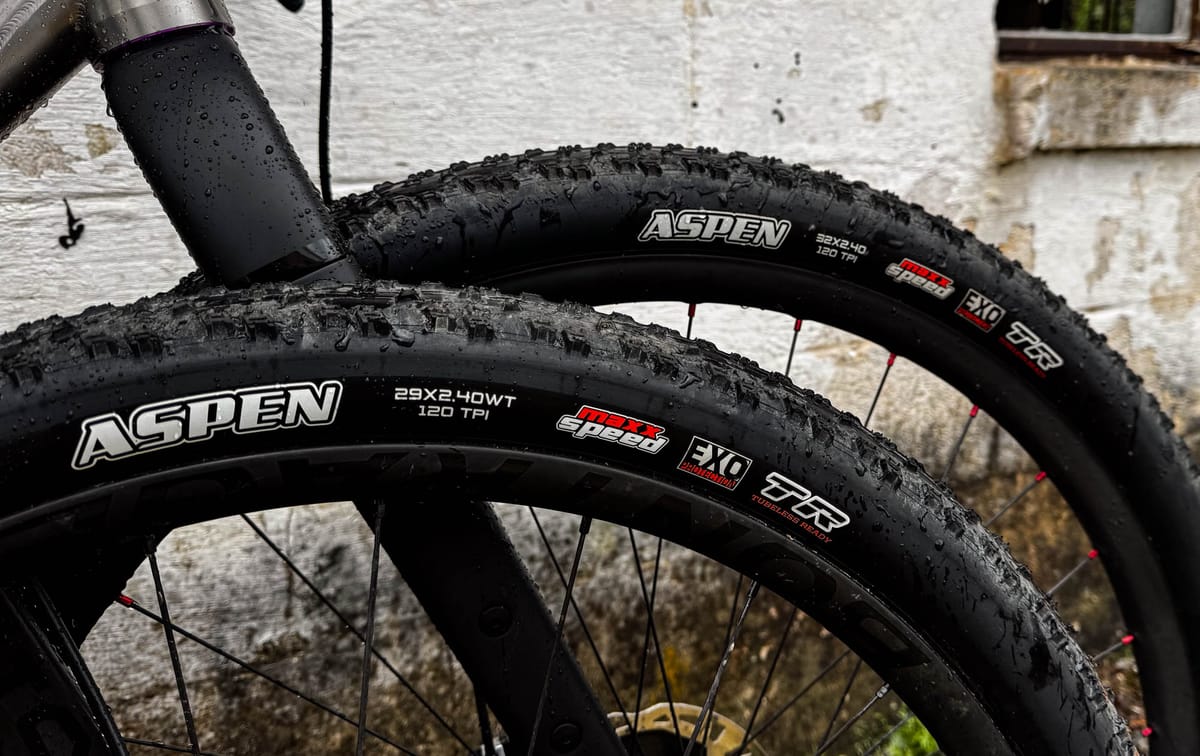
"I think one of the most interesting things with the 32” is just to fit the wheel in, you have to put longer chain stays," Baum told Escape. Longer chain stays have become unfashionable on road and gravel bikes, with brands chasing shorter and shorter stays, shaving millimetres off here and there. A shorter chain stay has the double benefit of increasing rear triangle stiffness and creating what brands claim is sharper handling and a more responsive feel.
Did we do a good job with this story?