

I feel like a broken record these days when it comes to bike launches. I’ve arrived at the same conclusion with practically every new race bike I’ve reviewed over the past year or more: great bike, but the geometry needs an update!
Honestly, that's been a struggle. I sit through bike launch after bike launch, hearing similar claims of aero gains from new frames, handlebars, wheels and forks, only to reach the geometry slide and find little has changed. Truth be told, I find myself flipping between frustration at the huge chunk of performance opportunity left on the table and wondering whether I'm the crazy person on the bus.
 Ronan Mc Laughlin
Sure, a few brands have gone much more aggressive with their geometry, but having only ridden the Factor One, I still had an open question about whether such an approach actually works. On many bikes, I run out of saddle rail to get my saddle far enough forward, and simultaneously bump up against my reach getting far too short with the integrated stem many of these bikes are delivered with.
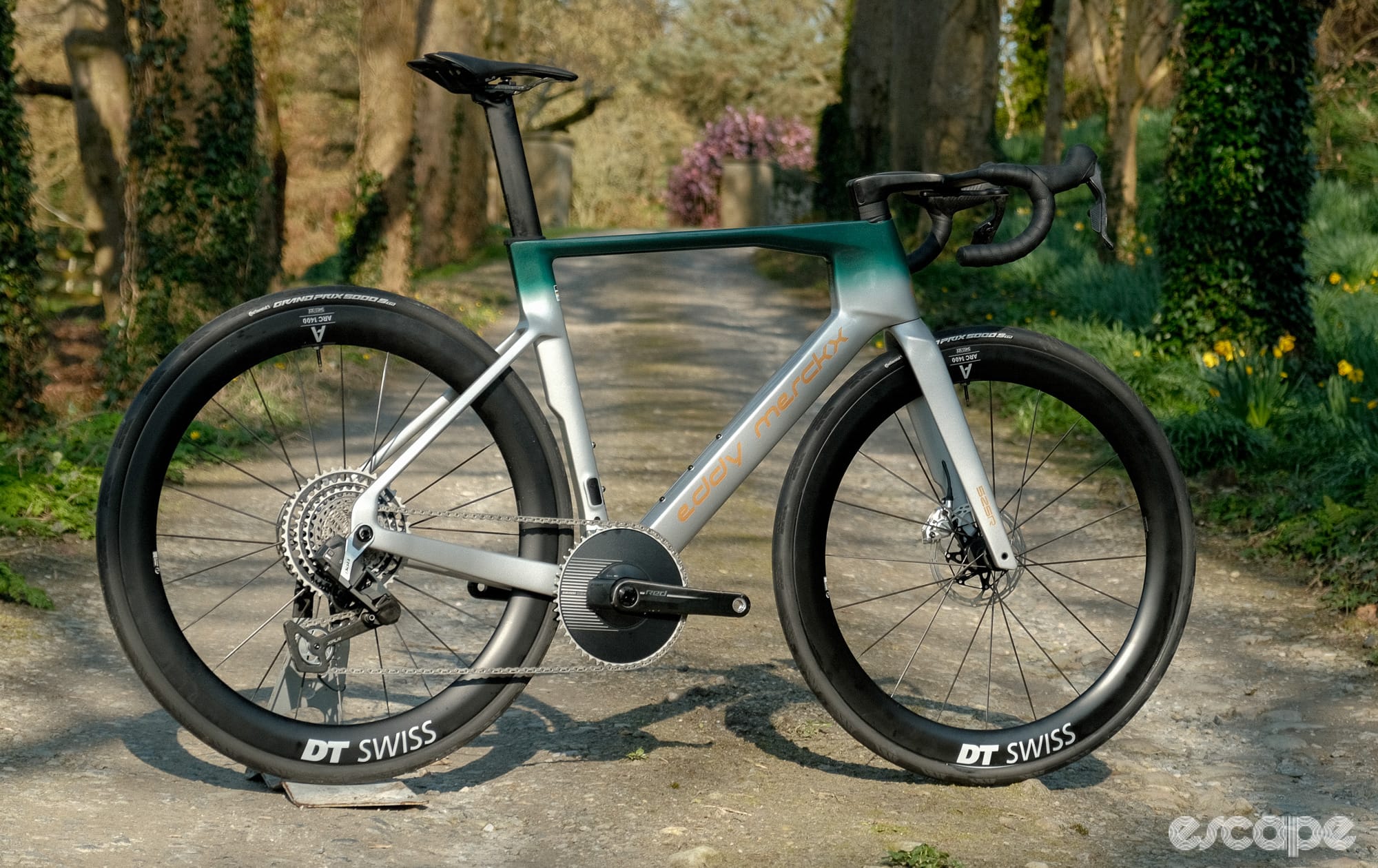
But now there’s a new option, from arguably an unlikely source, offering the type of geometry I’ve been crying out for and all the ease of front-end adjustability to go with it.
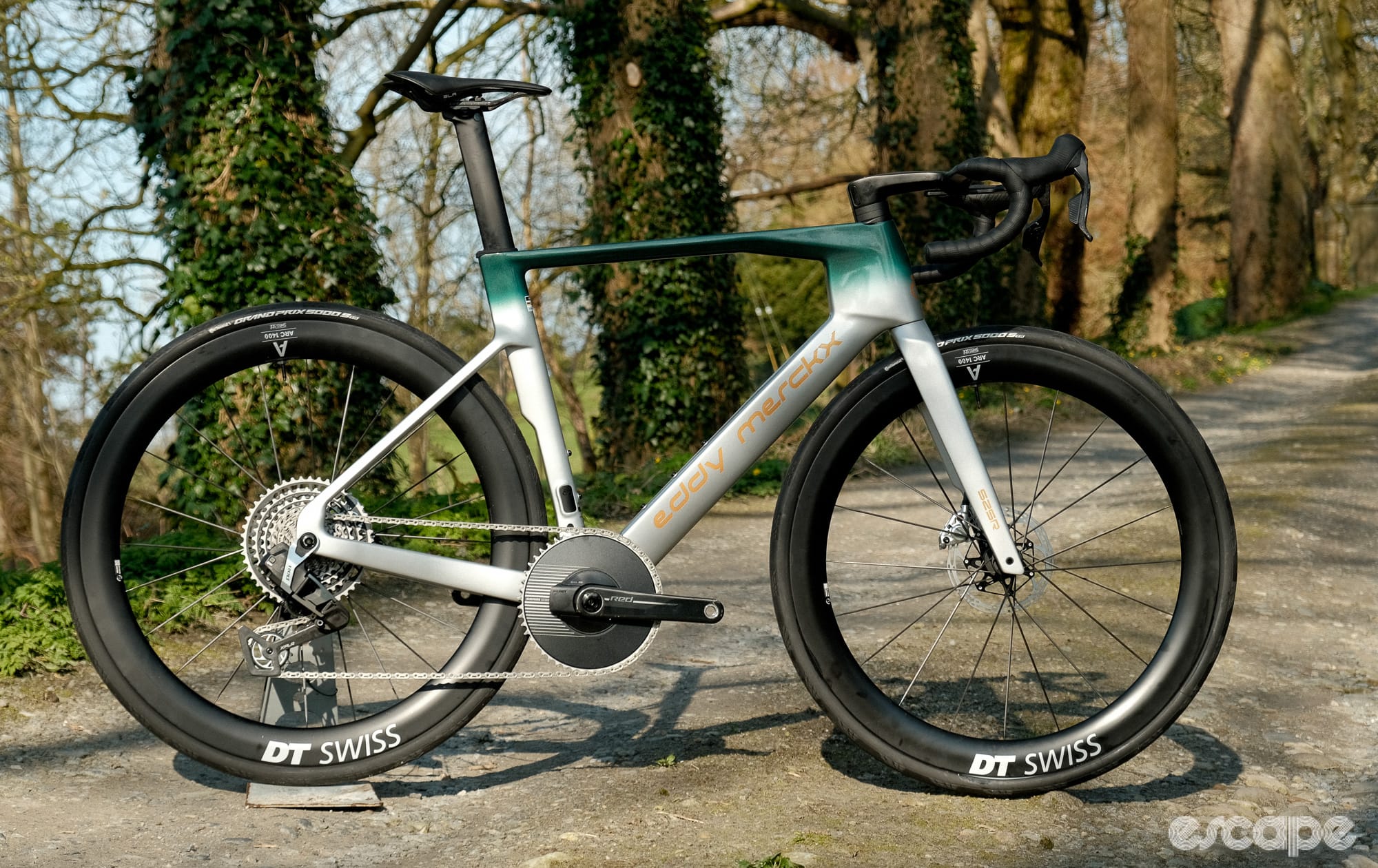
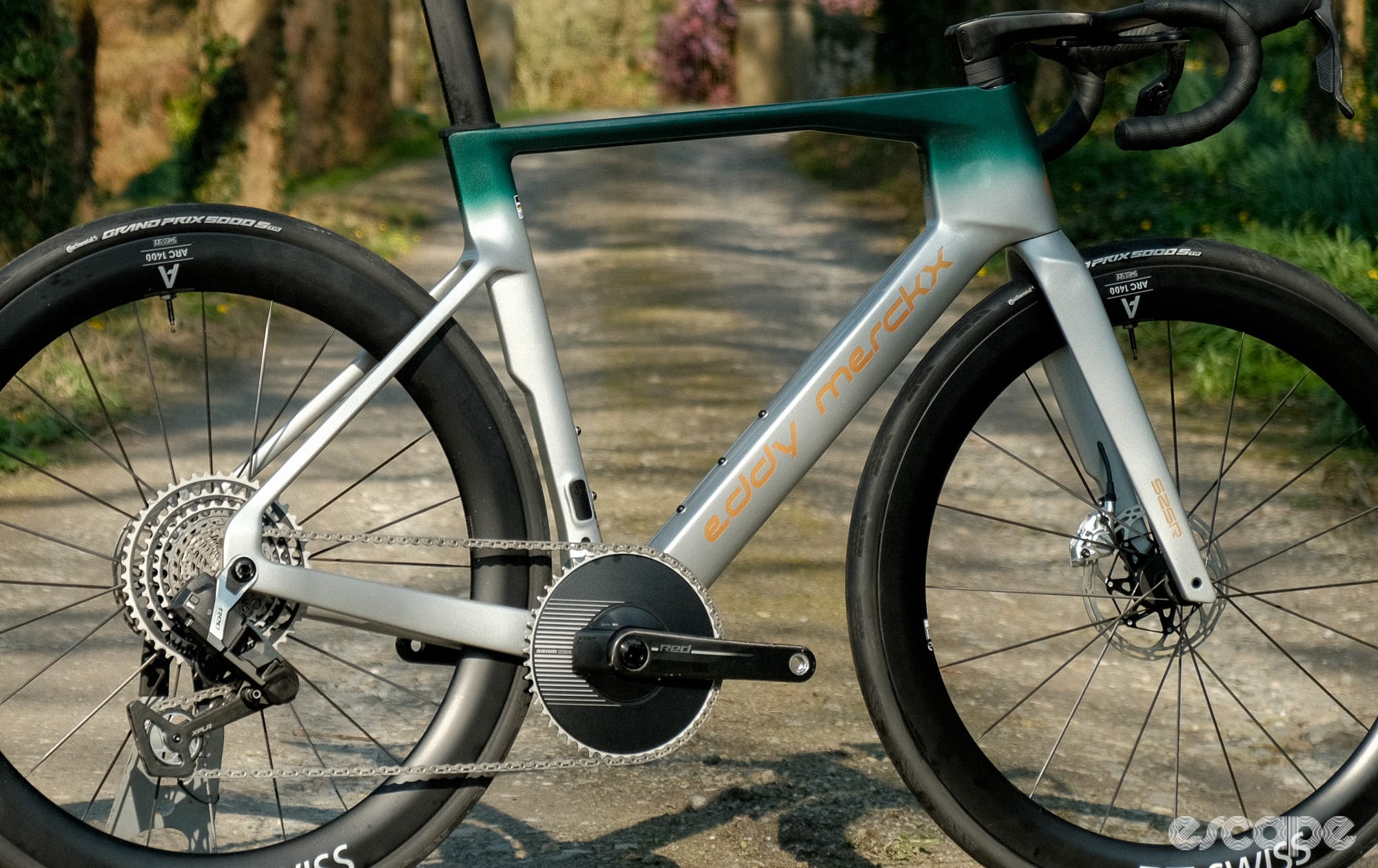
That option is the new Eddy Merckx 525R aero bike, and sure, there’s a claimed 9% drag reduction over its predecessor – noting that the old 525 is far from the benchmark for aero comparisons. There’s also 34 mm of tyre clearance, a claimed frame weight of 952 grams for a size medium, CeramicSpeed SLT headset bearings, a removable front derailleur mount, an integrated, one-piece bar/stem, and various build options from all three major groupset manufacturers, all wrapped up with an aggressive, aero-looking frame with deep, wide tube profiles throughout, and not a hose or cable in sight. But … none of that is what’s got me excited.
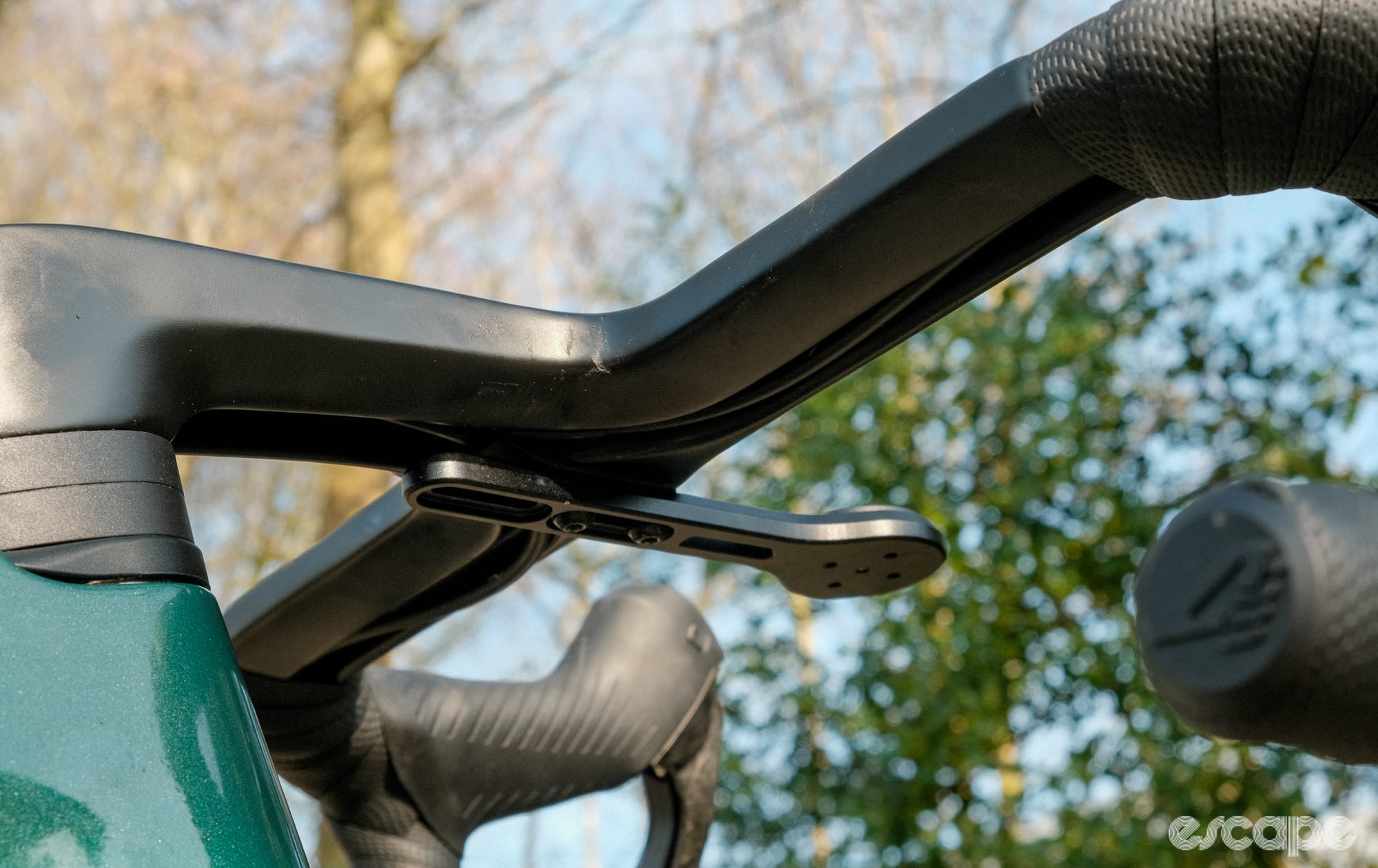
Eddy Merckx, now under the Belgian Bike Factory umbrella – which also owns brands such as Ridley (notice the similarities yet?) – says the new 525R is designed to optimise the rider-bike system and prioritises a more progressive geometry. That means a steeper seat tube angle, longer reach and front-centre, and a lower bottom bracket. Combined with hidden but entirely open hose routing under the bar and stem, and a range of bar size options (plus compatibility with regular aftermarket stems), and two seatpost setback options, it ticks many of the boxes other higher-profile bikes launched this year have missed.
Ronan Mc Laughlin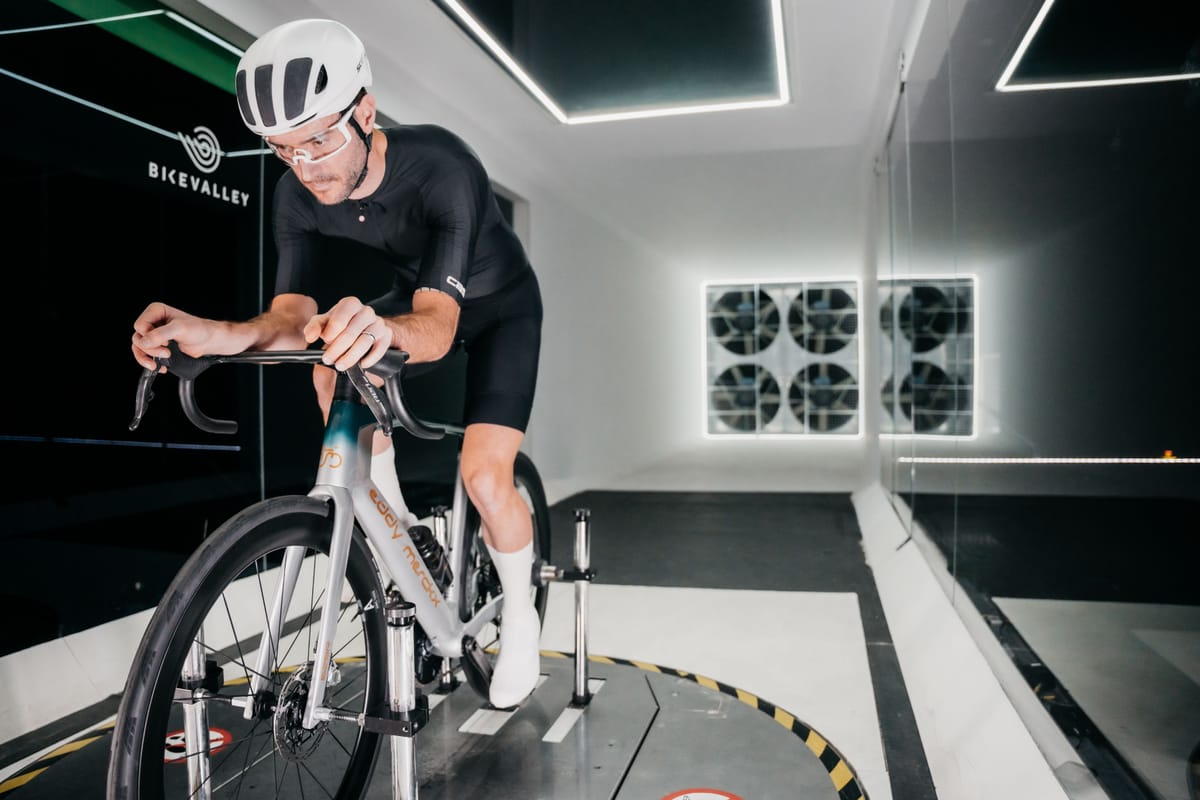
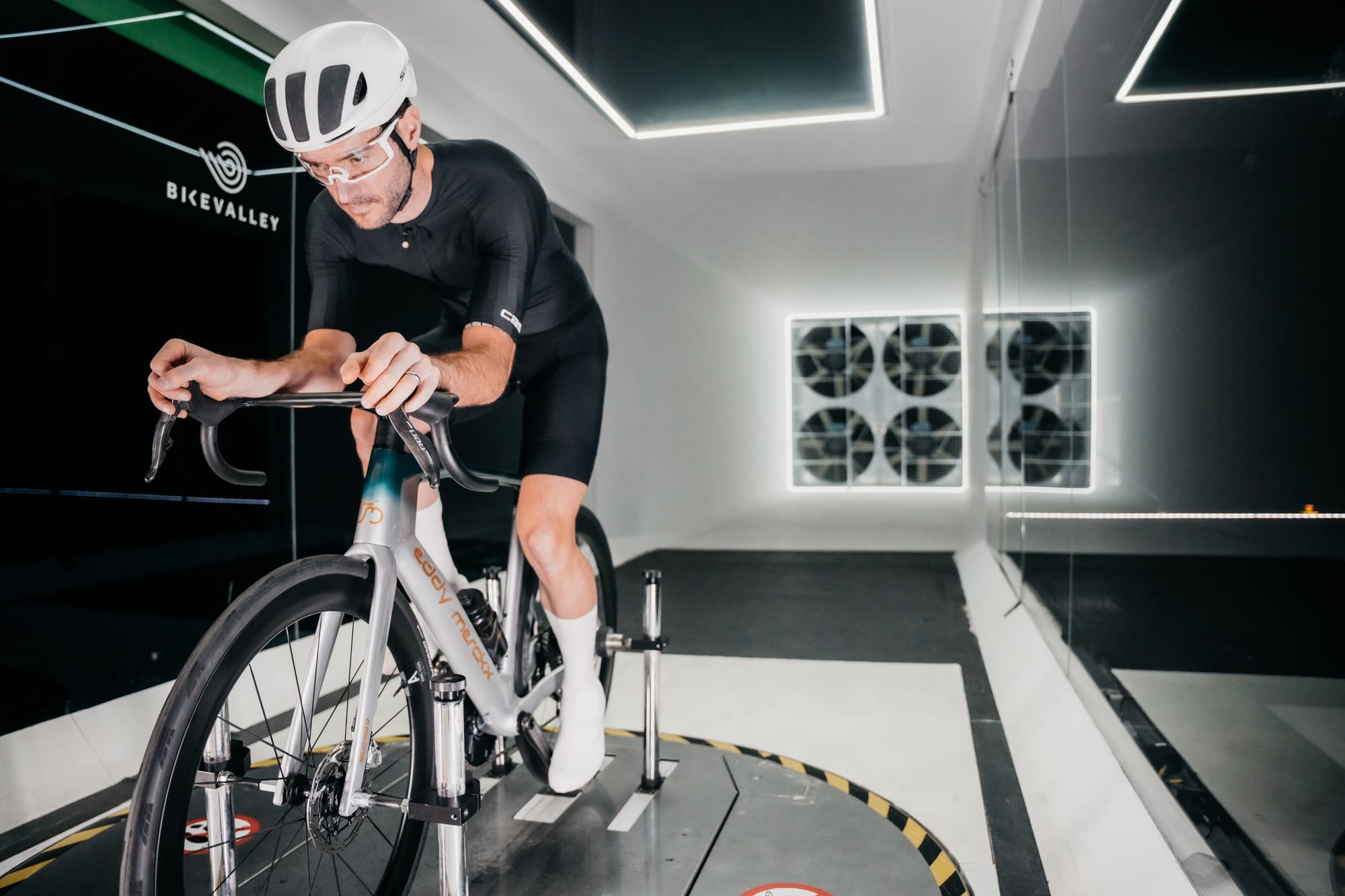
In simple, out-of-the-box stock configuration terms, the new Eddy Merckx 525R is not a Cervélo S5. I know because I've tested the two bikes back-to-back in the wind tunnel. But having first got wind of this bike just before Christmas, what got me excited and what had me travelling to the Bike Valley wind tunnel in Belgium, was whether the 525R's geometry and adjustability could unlock a faster rider position, and whether those gains could outweigh the S5's aerodynamic advantage.
That test was step one in my experience with the 525R, and you can read the test feature at the link above. The bike then arrived a few weeks later, and I’ve spent the last three months testing it, the progressive geometry, and that new wind tunnel-optimised position in both training and racing, both at the domestic level and in an international stage race. Spoiler alert: I like it a lot! The 525R has even relegated other much-higher-profile bikes to gathering dust on the garage wall.
An aero bike with a higher ceiling
Choosing a race bike in 2026 boils down to two key points for me:
1) Does it allow for the more forward position that I and others are adopting? My experimentation on this stems from a simple question: If we move our saddles forward on TT bikes to aid power production, why do we want what must then be a less-efficient position on our road bikes?
2) Does it achieve the concept of “usable aero” I coined over a year ago in my “eight-point checklist for buying an aero road bike.” The idea is pretty simple: With the rider accounting for some 80% of the total system drag, marginal aero gains on the bike itself are pointless if they don't allow the rider to adopt their most aero position.
It’s a never-ending source of frustration for me when yet another new bike comes along with all manner of aero claims, but fails to address the human parachute sat atop it. Compare that to my first conversation with the Eddy Merckx team, where the bike's own aero performance didn’t even come up. Instead, the conversation focused purely on position, the rider's drag, usability, and ease of adjustment and maintenance.
Did we do a good job with this story?