

On paper, today's aero bikes are faster than anything we've ever ridden. Manufacturers spend countless hours in CFD simulations and wind tunnels chasing marginal gains, shaving grams of drag from frames, forks, handlebars, and wheels. But in doing so, we’ve lost sight of the biggest opportunity of all.
Around 80% of a rider-bike system's drag comes from the rider. That means the single biggest aerodynamic component isn't the frame, the wheels, or the handlebars – combined, those only account for around 20% of the drag. The largest source of drag, and therefore potential for improvement, is us!
That's why I've long held a theory: A bike with average aerodynamics itself, but which lets a rider achieve and maintain a better position, could outperform a supposedly faster "super-bike" that limits rider positions or adjustability, whether through hard limits from geometry or more functional limits imposed by the sheer expense of replacing integrated bar stems and seatposts. Or, thought of in a bike-purchase perspective: Could a positional optimisation testing session potentially offer bigger gains on a rider’s existing bike than rushing out to buy the newest aero bike?
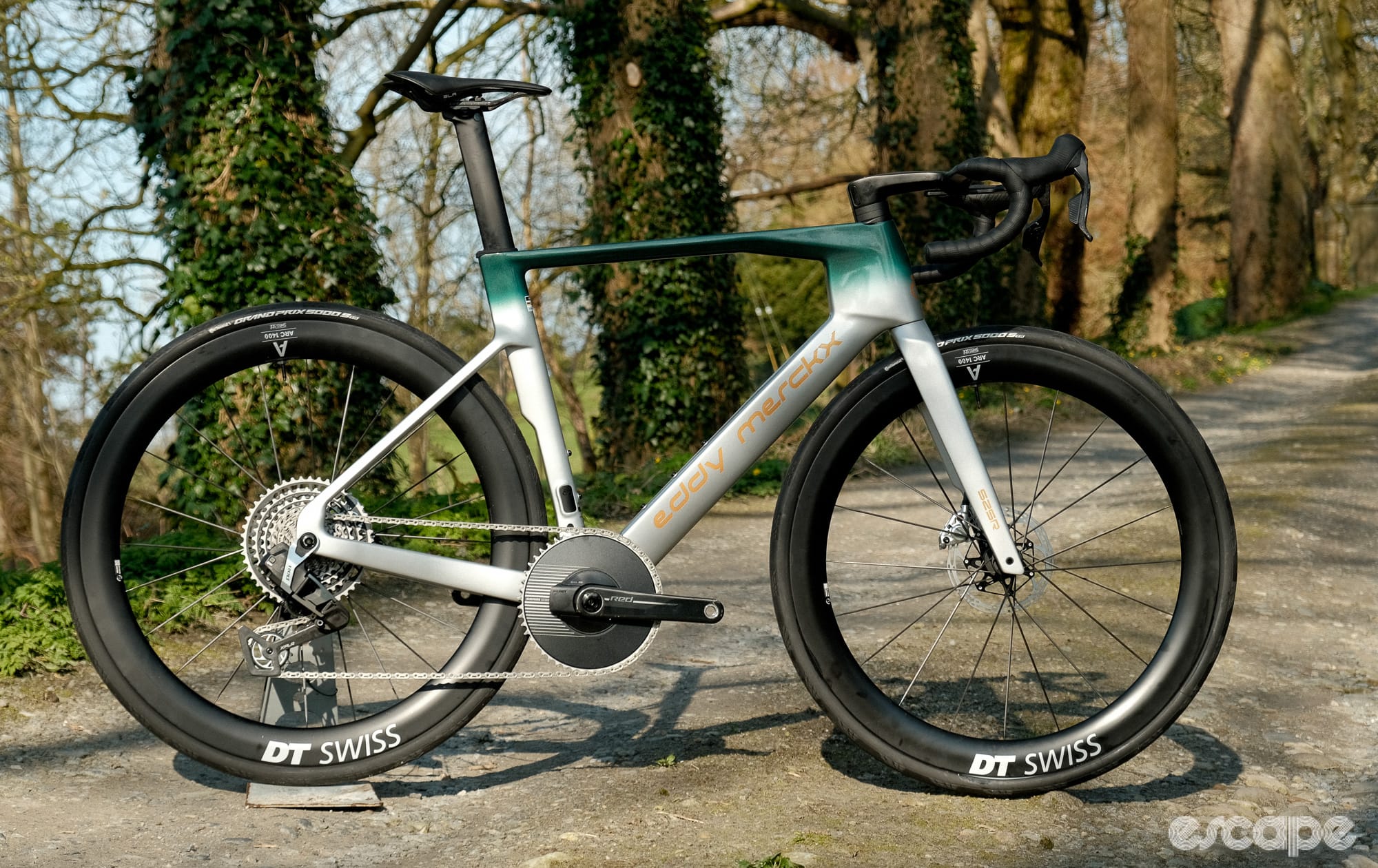
So when Eddy Merckx (the bike brand, not the former rider) told me about its new 525R aero bike, with its progressive geometry, longer front end, external but hidden hose routing that simplifies handlebar changes, and an opportunity to test it in its wind tunnel, I immediately knew I wanted to test it – and my theory – out.
 Ronan Mc Laughlin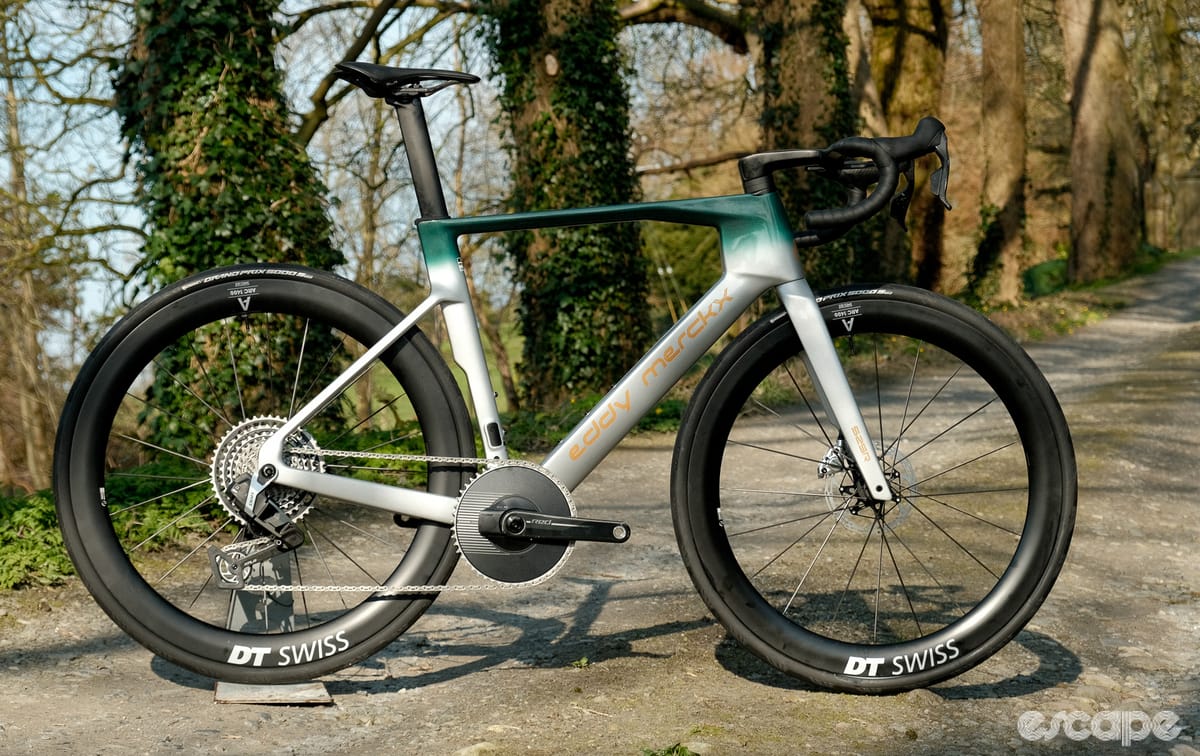
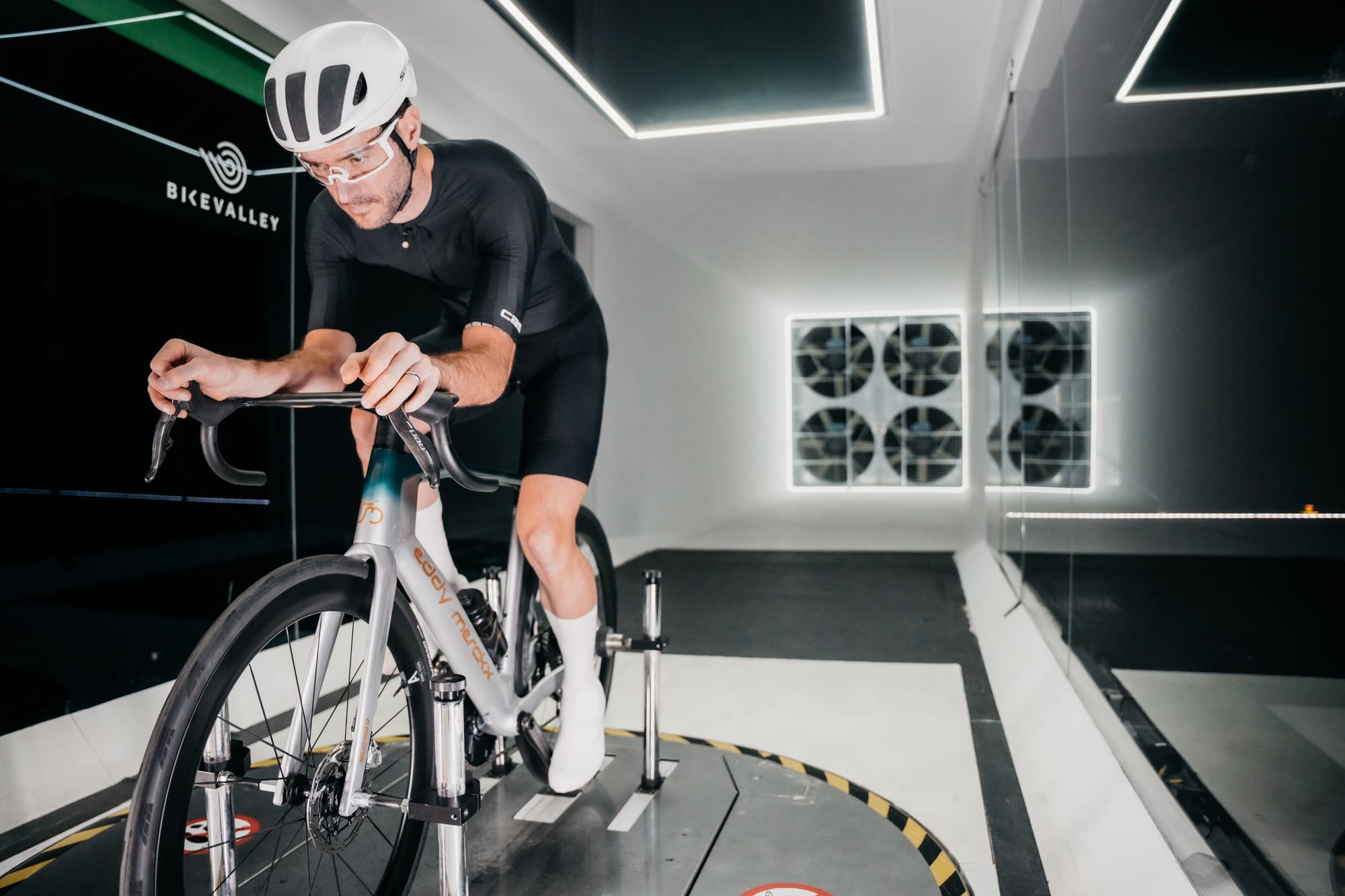
I wanted to find out whether a bike designed around rider positioning and adjustability could deliver more real-world aerodynamic benefit than a generally accepted best-in-class aero road bike with a traditional approach to rider positioning. I already had a Cervélo S5 in for review, and so that was an easy and interesting comparison point. All that was left was to pack it into a bike bag and head for the Bike Valley Performance Centre and wind tunnel in Belgium.
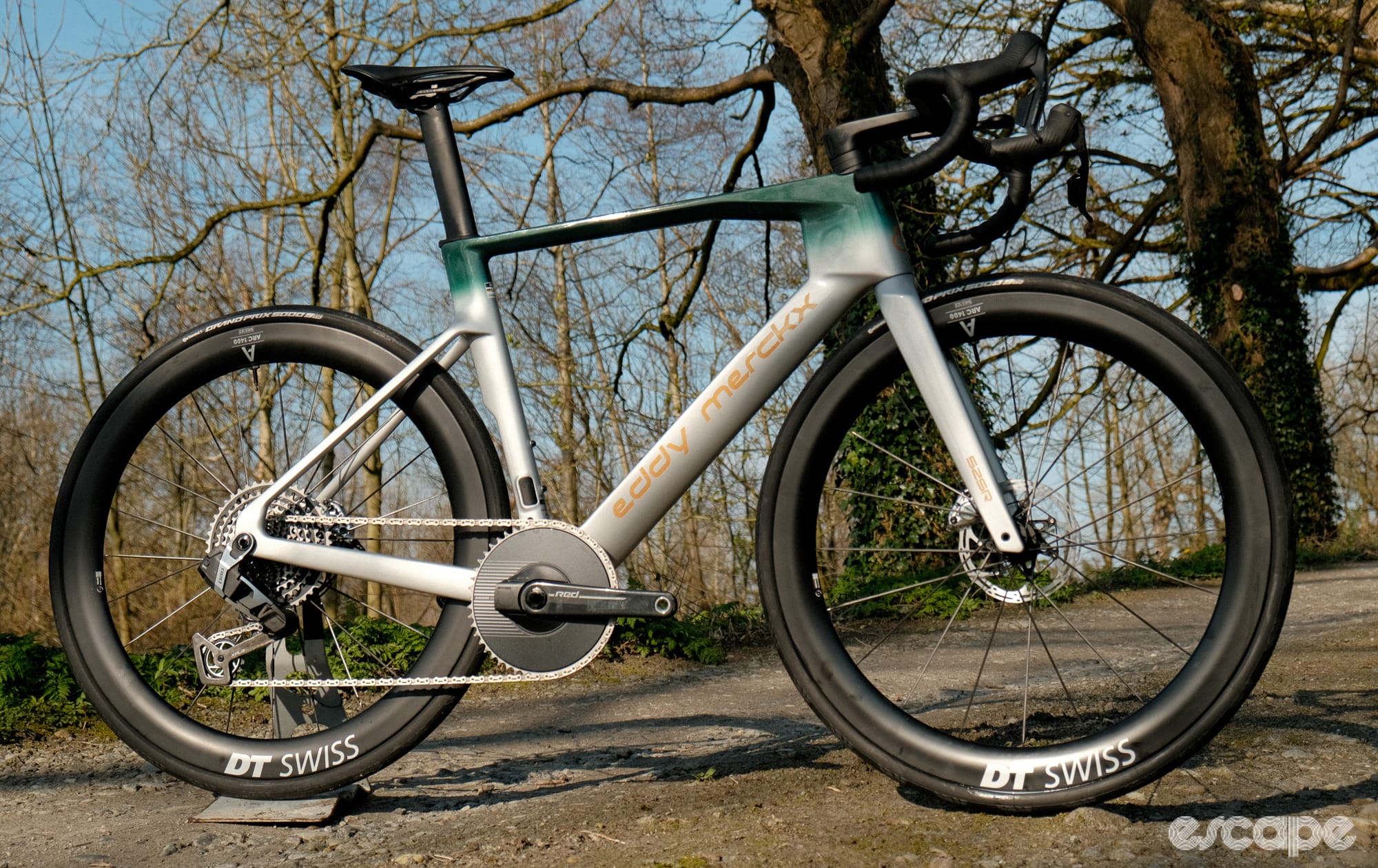
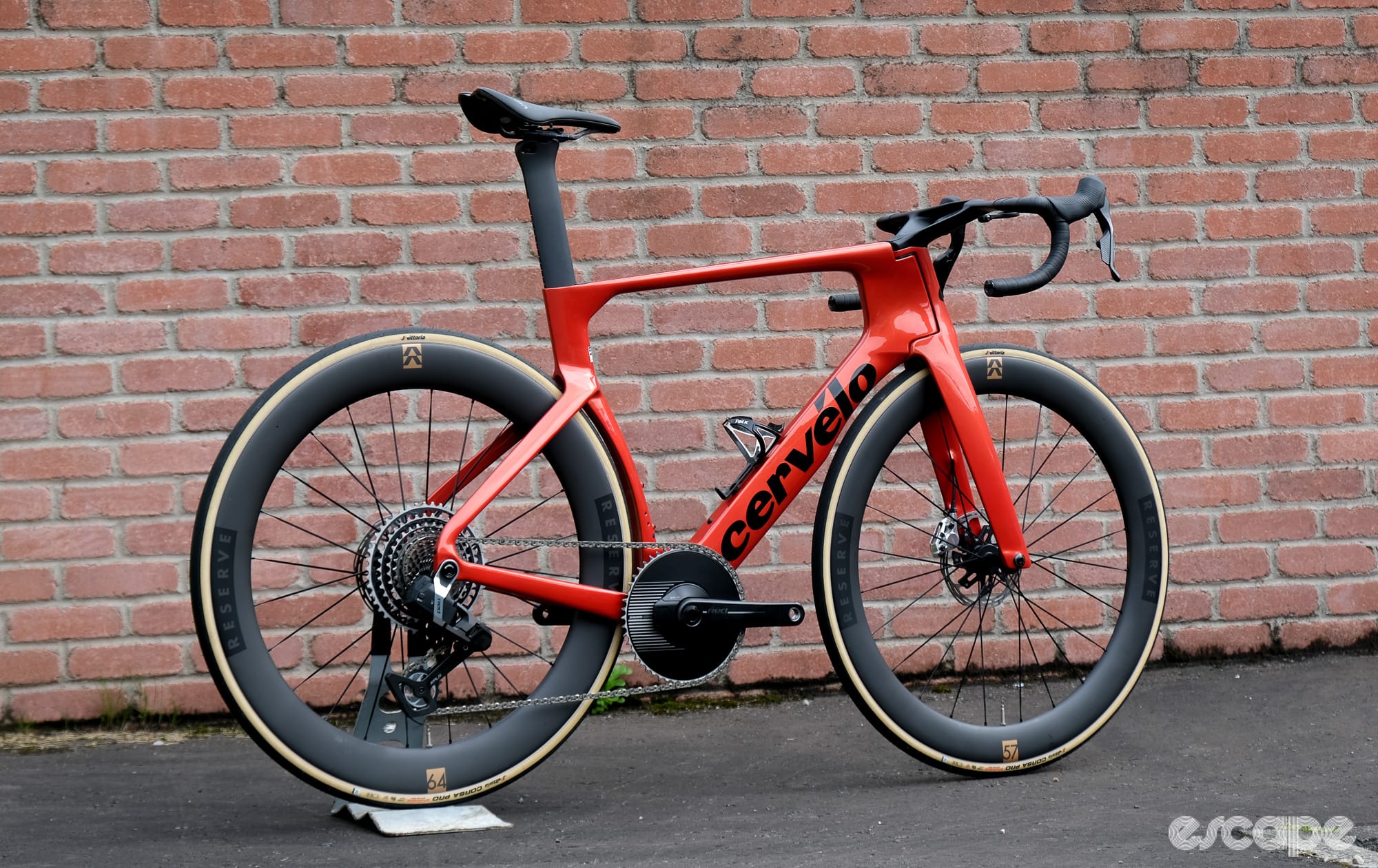
Both of these are aero road bikes but they take different paths to fast.
How does it compare
In my head, the math was simple: The rider accounts for 80% of the total system drag; the bike accounts for around 20%. But the frame accounts for only around a quarter of the bike's portion of system drag, or just 5% of the total drag. Logically, it seems that even small improvements to the rider’s drag could yield much bigger savings than relatively large savings on the frame.
I was confident the Merckx could allow me to more comfortably and sustainably adopt the progressive position I’d been looking for, with a reach to match my more forward saddle position but without the need for excessively long stems, something I’m not a fan of. I knew the front-end adjustability would allow me to refine this position further and get closer to my personal optima.
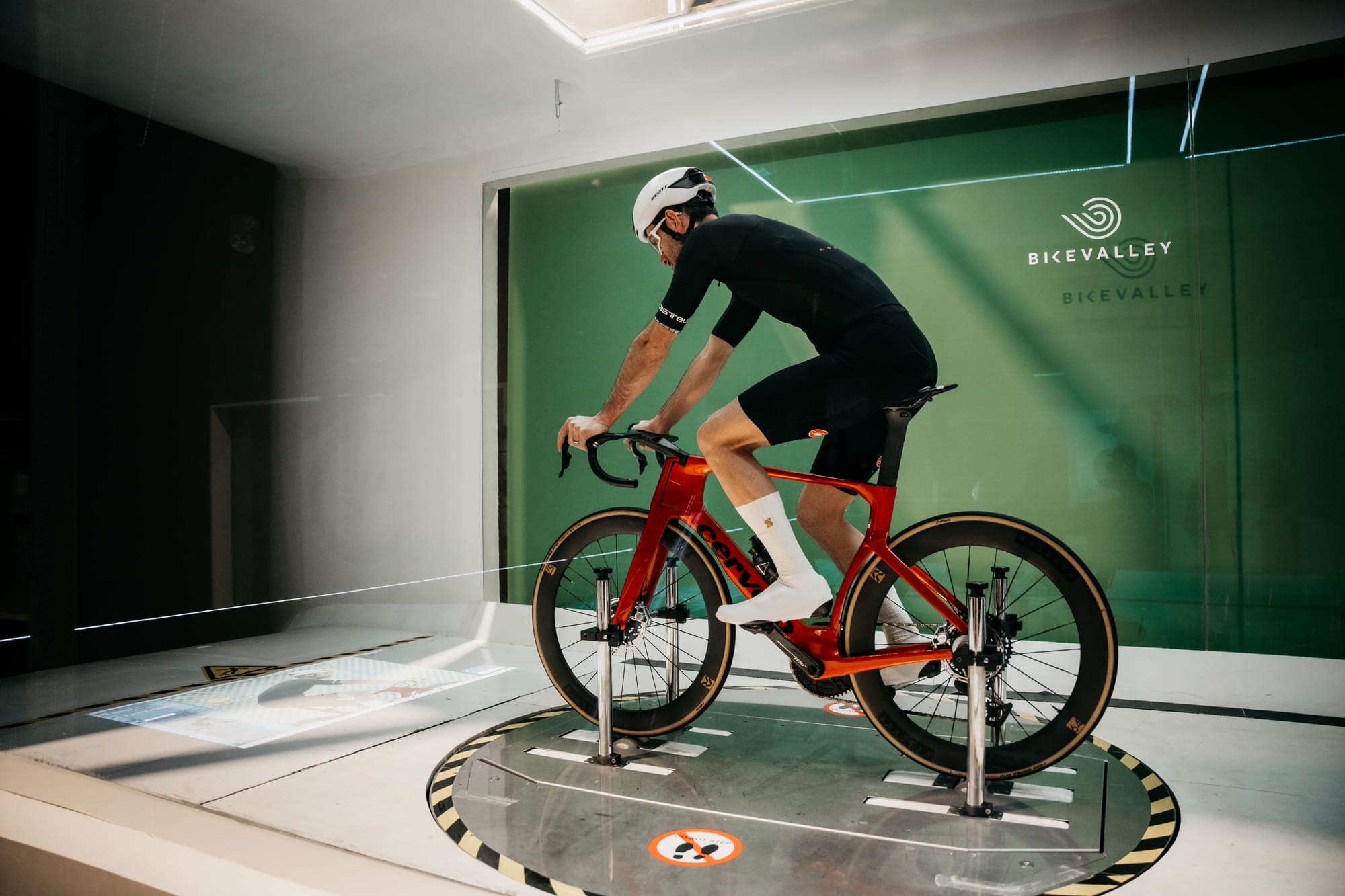
But could Merckx's relatively conventional-looking 525R bike, a bike designed around rider positioning, outperform one of the most aerodynamically developed road bikes on the market, the Cervélo S5? The real question wasn't whether the Merckx was a faster bike off-the-shelf. It almost certainly wasn't. The question was whether it had a higher ceiling and thus could let me be faster.
I’d been to the Bike Valley performance centre before as part of the National Time Trial Championships optimisation project we did last year, and while I’d also been to other wind tunnels, this was my first time being the test subject. This was also somewhat of a first for the Bike Valley wind tunnel. While positional changes are a major part of time trial bike testing in a wind tunnel, riders typically don’t make many, if any, positional changes when road bike testing in the tunnel, instead focusing on helmet, clothing, or component options. I effectively did the opposite, testing only the impact of positional changes with 18 different handlebar configurations on the 525R alone to establish if bike fit aero really does outperform frame aero.
A plan was made.
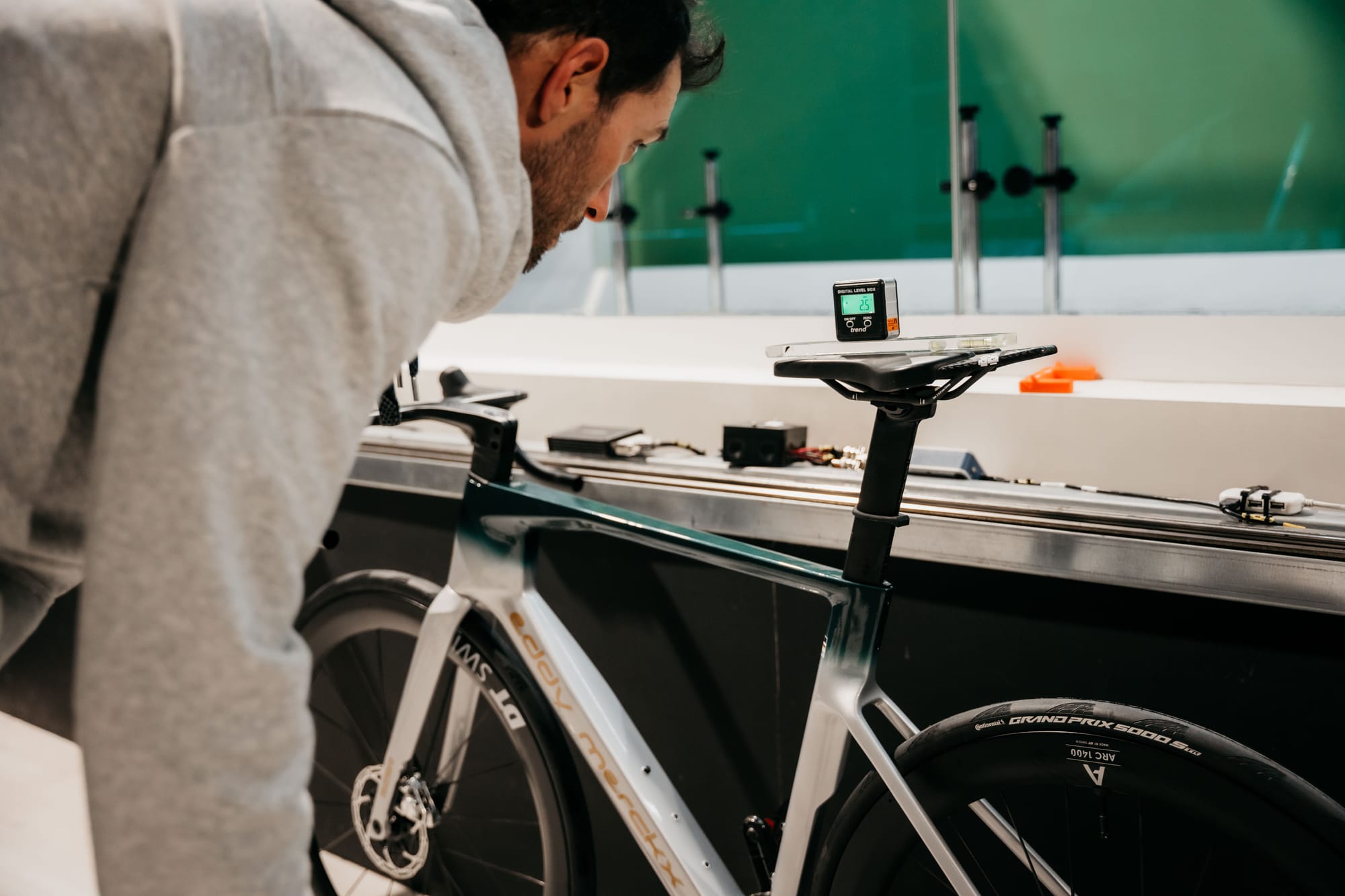
Both bikes were first set up as close to identical as possible with the same Wove M8 saddle, saddle height and angle. A slight constraint in the saddle being as far forward as possible on the S5 zero-offset post and being as far back on the zero-offset post on the 525R meant the exact saddle setback position was a little off, but reach and drop to the levers were matched across both bikes.
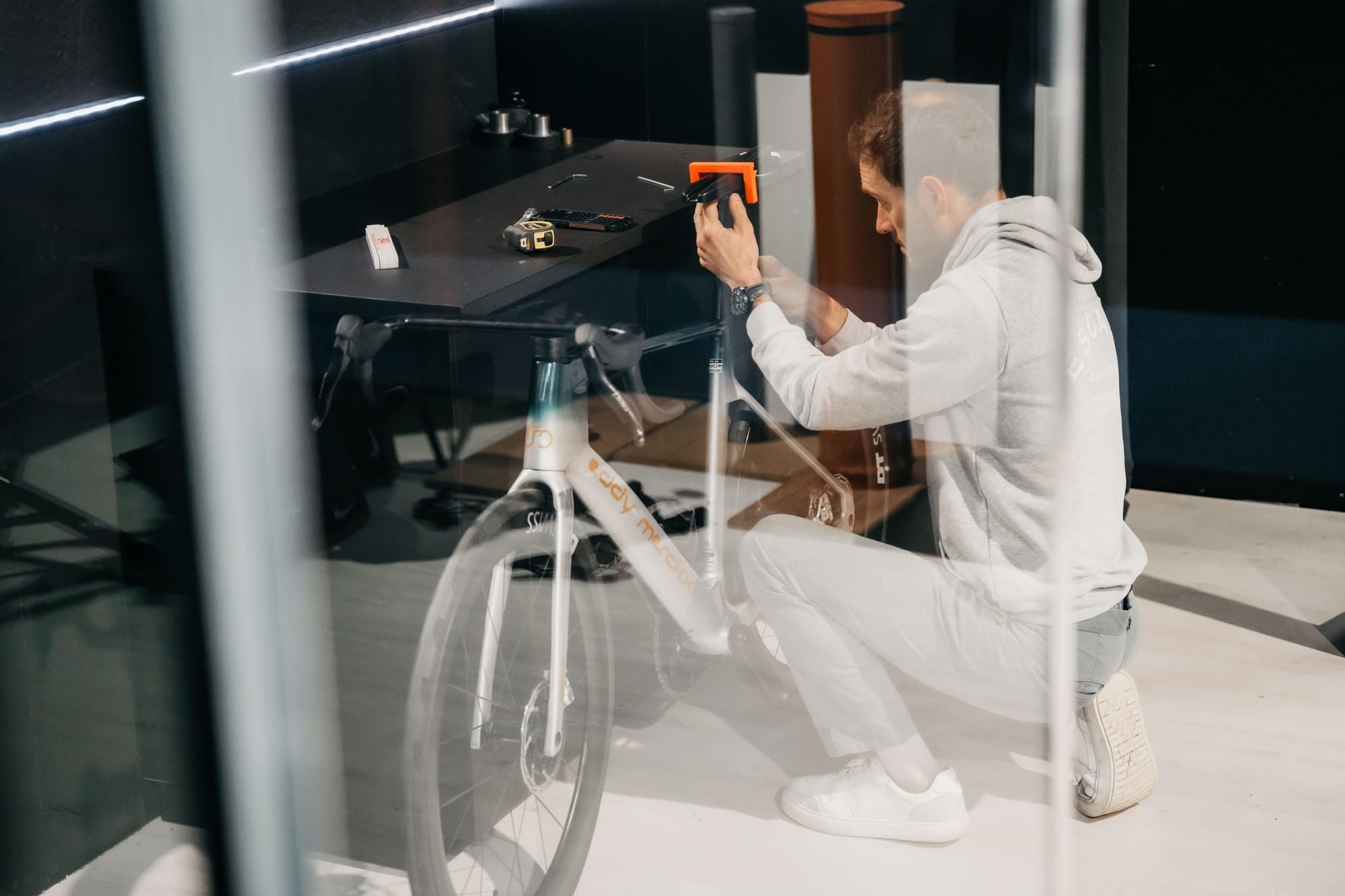
The plan was to test each in a more upright “comfort” position, and an “aero” position with elbows bent at 90°, both with hands on the brake hoods rather than drops. While the S5 wouldn’t see any positional changes, the 525R and its Forza Nimbus Pro (380/400 mm width) bar’s ease of adjustability – the hoses are entirely externally routed and hidden beneath the bar – meant we could test three different bar stem lengths: 110 mm, 120 mm, and 130 mm, at three different spacer stack heights: 0 mm, 20 mm, and 40 mm, each.
Did we do a good job with this story?