
- Ed.
Let my people ride bikes. I read “Let My People Go Surfing” by Yvon Chouinard over a decade ago. The book takes you through Chouinard’s journey of building a business – the mighty Patagonia – in a way that was both sustainable and people-centric. I thought that if I ever started a business, it should aim to be sustainable, too. Sure, it’s a vague, overused word, but it boils down to putting everyone involved in the business and those who subscribe to it, first. That’s why, today, our decade-old FoCo Fondo, held in and around Fort Collins, Colorado, has its own non-profit. That organization, Friends of FoCo Fondo, is committed to just that: helping my people ride bikes.
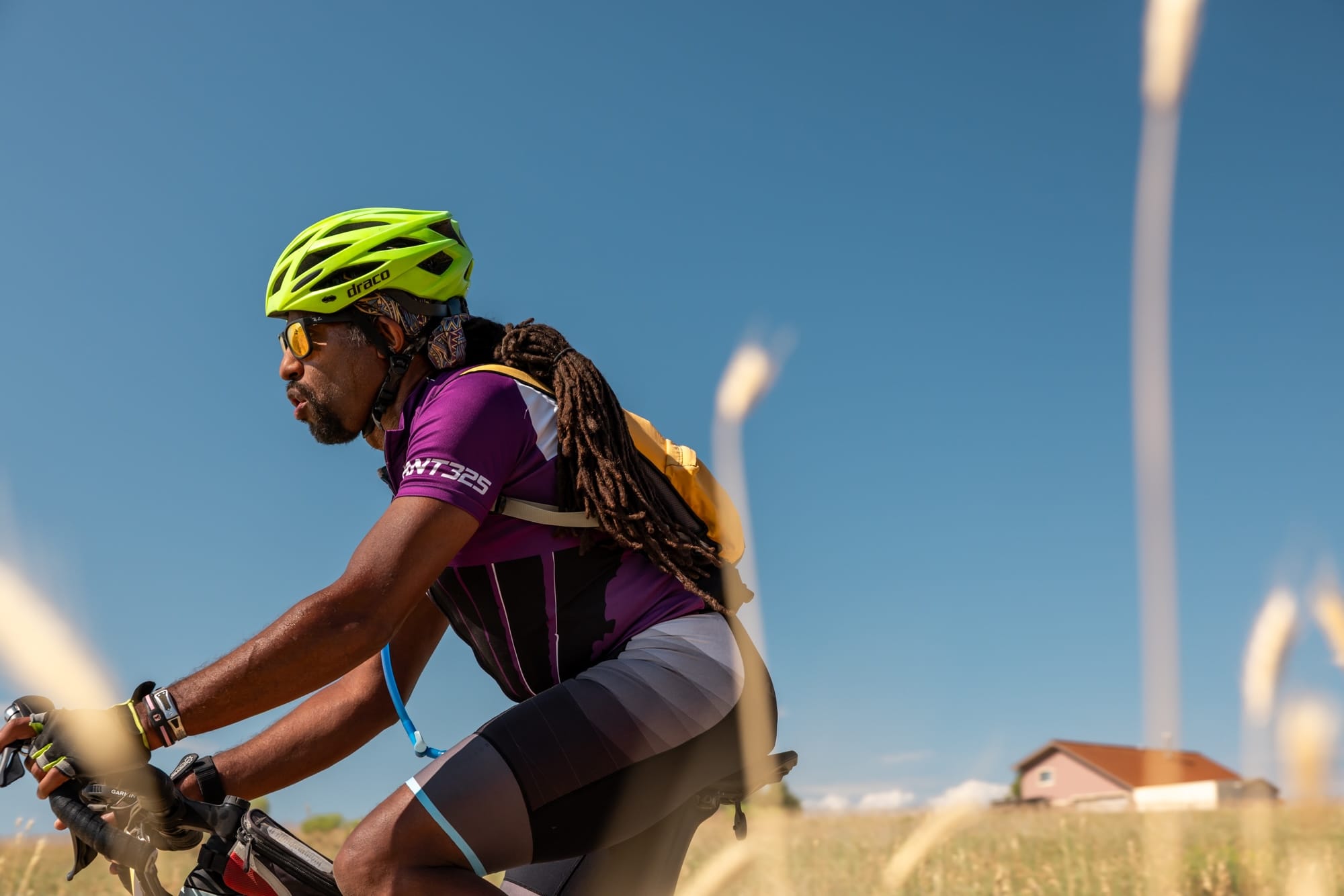
I can’t really tell the why of Friends of FoCo Fondo without a brief history of FoCo Fondo itself. It started out as most gravel events do. In 2016, a bit ahead of its time for gravel racing, we started FoCo Fondo as a community, segment-based event, enticing people to ride gravel with the fattest tire they could fit on their road bike. Flash forward just a few years, riders had their choice of dedicated gravel machines, and mixed-terrain riding was moving towards its prime. FoCo Fondo expanded rapidly. We added dozens of supportive events during the year leading into FoCo Fondo to help people in their cycling journey. We started working with different organizations that asked for support or requested event changes to be more welcoming and increase diversity. It worked. A typical demographic breakdown in this space hovers between 10% and 20% women participants. We quickly reached a 30%+ women’s participation rate in the pre-pandemic days, and that has held strong from our 400+ rider days to the 2000+ where we live today. Whit and I are bad at saying no to anyone that asks for help.
Then came a few catalyst moments. The pandemic, George Floyd, and several other events caused us to look around, look at other gravel events, look at ourselves, and realize we could do more to help more people get on – and stay on – bikes. And we could use FoCo Fondo as a catalyst.
Did we do a good job with this story?