

Aluminium has long been a mainstay of bicycle manufacturing; it's a lightweight, durable, and relatively affordable material. You’ll find it in everything from entry-level commuters to premium race road bikes, and it's widely used in components like cranks, handlebars, and seat posts. It's lauded as both an affordable and relatively sustainable material. But beyond noting the fact that aluminium is recyclable, the cycling industry has long been quiet about the supply chain and the sustainability credentials behind the material.
Despite its technical recyclability, aluminium’s environmental impact is heavily front-loaded. The mining, refining, and smelting processes that produce raw aluminium are deeply energy-intensive, and unless that energy comes from renewables, the carbon footprint is massive. Although closed-loop recycling is theoretically possible, it remains rare in practice, especially for products like bike frames that have to comply with safety standards.
It's also taken decades of using this material for the cycling industry to finally have a closer look at its environmental impact. Trek, among others, has made it a focus in its sustainability efforts, and admitted that the metal is a key hotspot in its emissions.
Joel Demeritt, Trek's sustainability lead, told Escape Collective that up until identifying that issue, Trek's sustainability efforts were mostly focused on plastics, packaging, and renewable energy at the manufacturing level. "We realised after doing [an analysis] that we would never hit our goals without addressing metals," Demeritt explained.
What Trek has identified applies to the wider cycling industry. The following is a closer look at how aluminium becomes a bike, a handlebar, or a crankset – and how companies are trying to make the process less damaging. Escape Collective spoke with engineers, product managers and sustainability leads at Trek, SRAM, Merida, Standert and other brands, and consulted the Outdoor Industry Association's Aluminium Guidebook to detail how the bicycle industry operates as part of the much larger global metals economy.
The complicated origins of aluminium
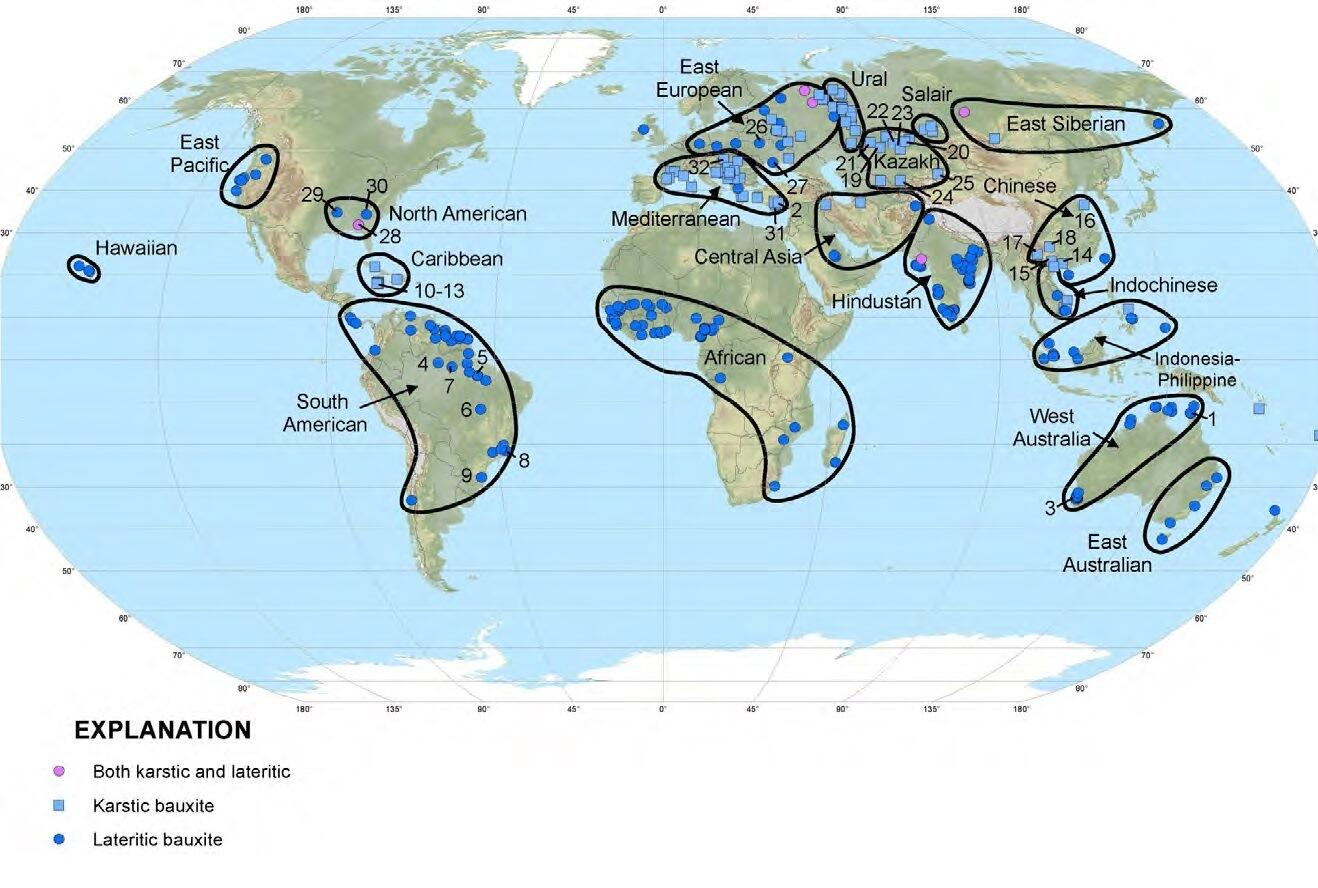
"Just the production of aluminium raw material is about 45% of our carbon footprint," Nick Myhre, sustainability and strategy lead at SRAM, admitted. And SRAM is far from being alone with that figure in the cycling industry.
The Aluminium Guidebook and the wider aluminium industry point to similar figures; emissions from electricity during smelting account for over 71% of aluminium's total lifecycle emissions, and the rest come from the refinement and anode production. Despite this, brands have historically paid little attention to the upstream emissions embedded in what is often dubbed an eco-friendly material. Much of that is down to the energy-intensive manufacturing process that aluminium goes through.
Did we do a good job with this story?