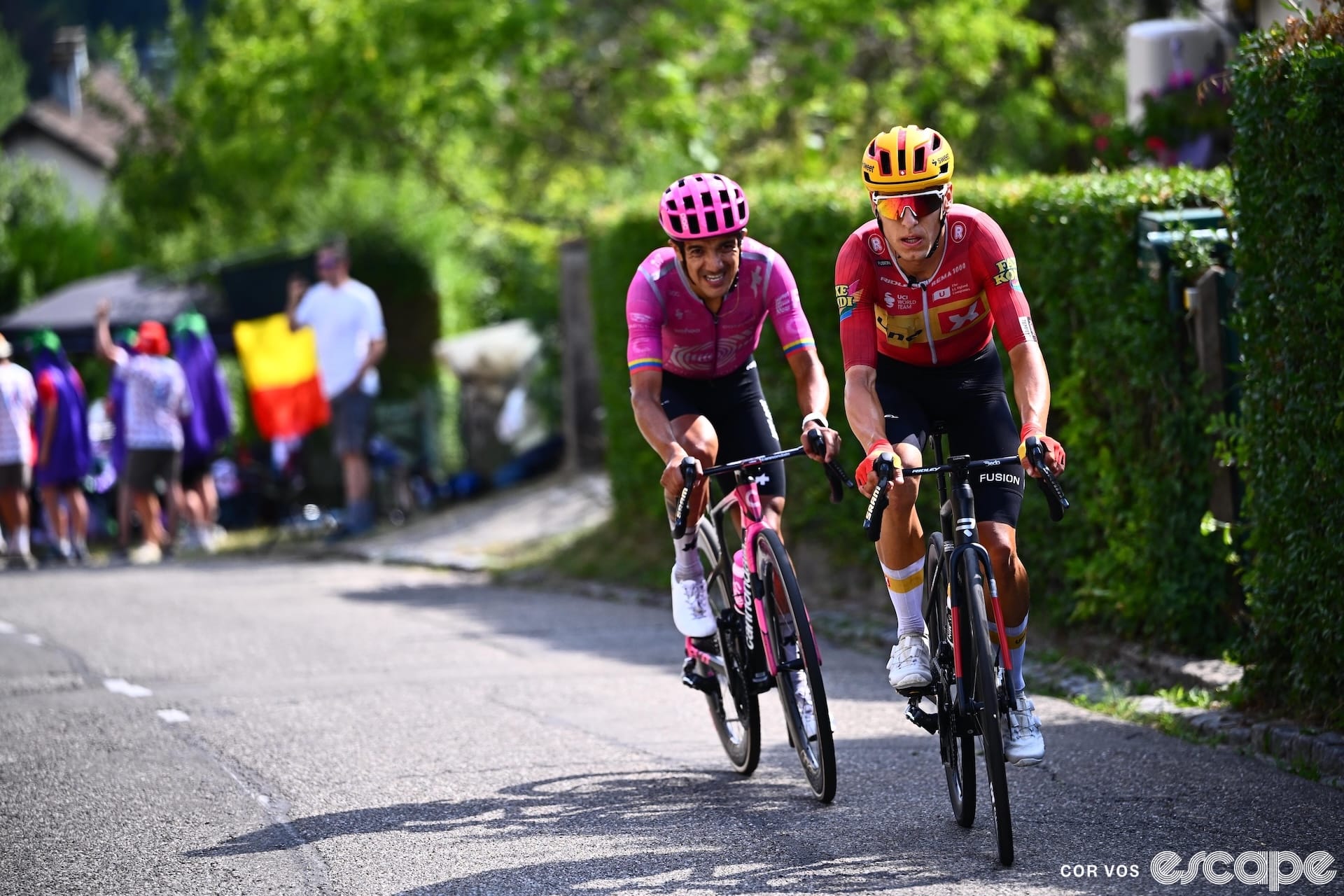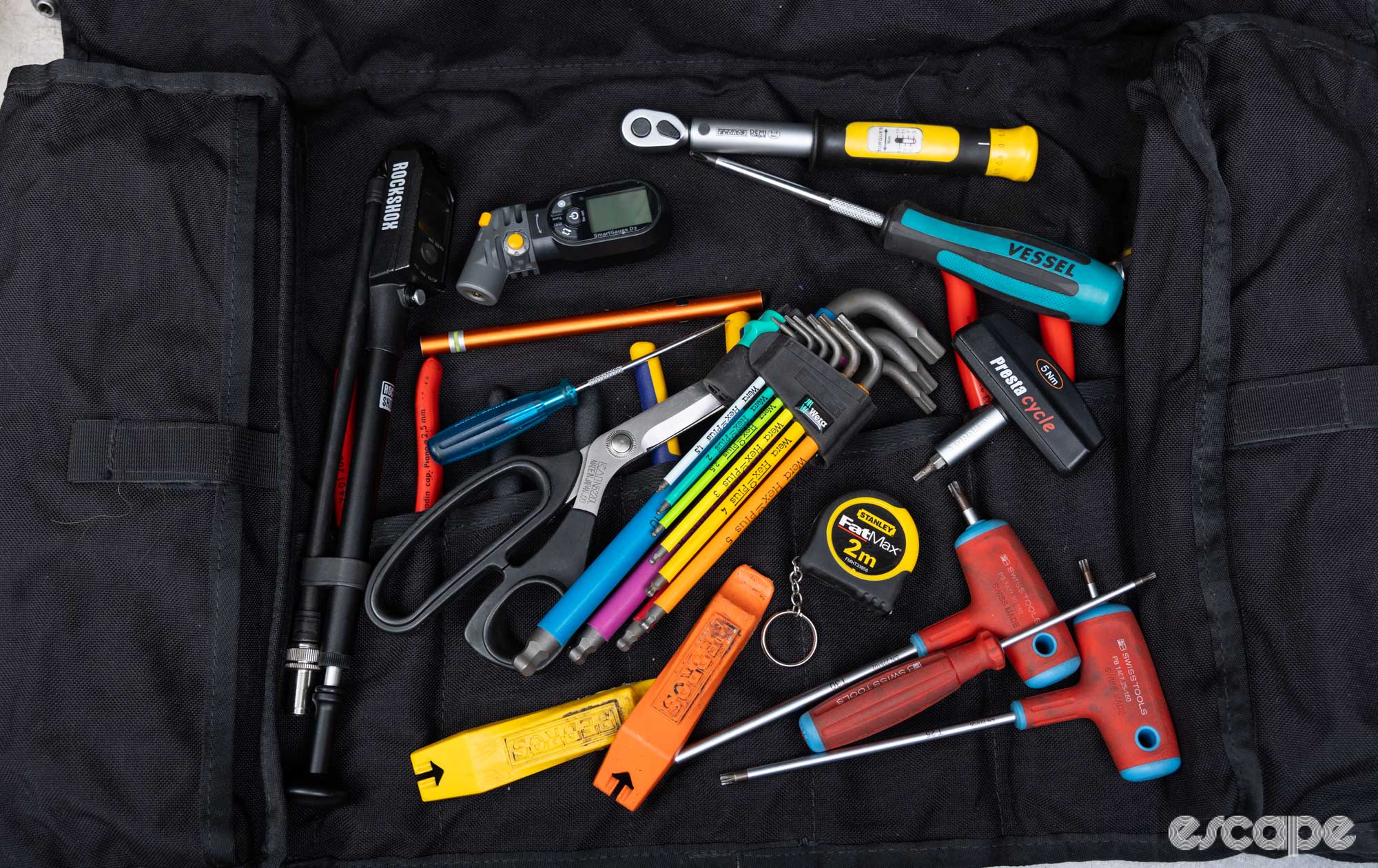

We’re 26 editions into Threaded and I’m only now writing an article that perhaps should have been the first. My bad!
In this edition, you’ll find a list of what I consider to be the must-have tools for anyone seeking to do the simplest of adjustments and maintenance on their own bikes. These tools also serve as a critical base for building a larger and more capable toolset for more advanced repairs. So whether you already own a bunch of tools or are starting from scratch, this is a list to check against.
This isn’t an exhaustive list, and your specific requirements will vary based on the bikes you own or work on. Expect a follow-up (or two) in future with another round of tools to add in an approximate order of importance (edit: now live). Additionally, you’ll find some general advice on buying tools and things to consider at the end of this article.
As is usual for Threaded, this isn’t just a list of the type of tools to consider but rather my recommendations for the tools I’ve found to be best and/or offer the most value within each category. As things change slowly in the tool world, the recommendations are products that will truly last and are unlikely to end up in landfill. I’ve provided links to previous articles where my reasoning for these recommendations is explained in full detail.
The Threaded series is typically now behind a paywall and exclusive to members of Escape Collective. Enjoy this free and introductory edition.
Pressure gauge
The biggest upgrade you can do to a modern bicycle is dial in your tyre pressures to suit your body weight, surfaces, and tyres. With tyre volumes increasing (where sensitivity to pressure increases), achieving new levels of repeatable precision has never been more important. And yet, I still see way too many people inflating tyres by feel, the maximum number marked on the sidewall, or trusting the gauge sitting at the base of a 10-year-old rusty floor pump.
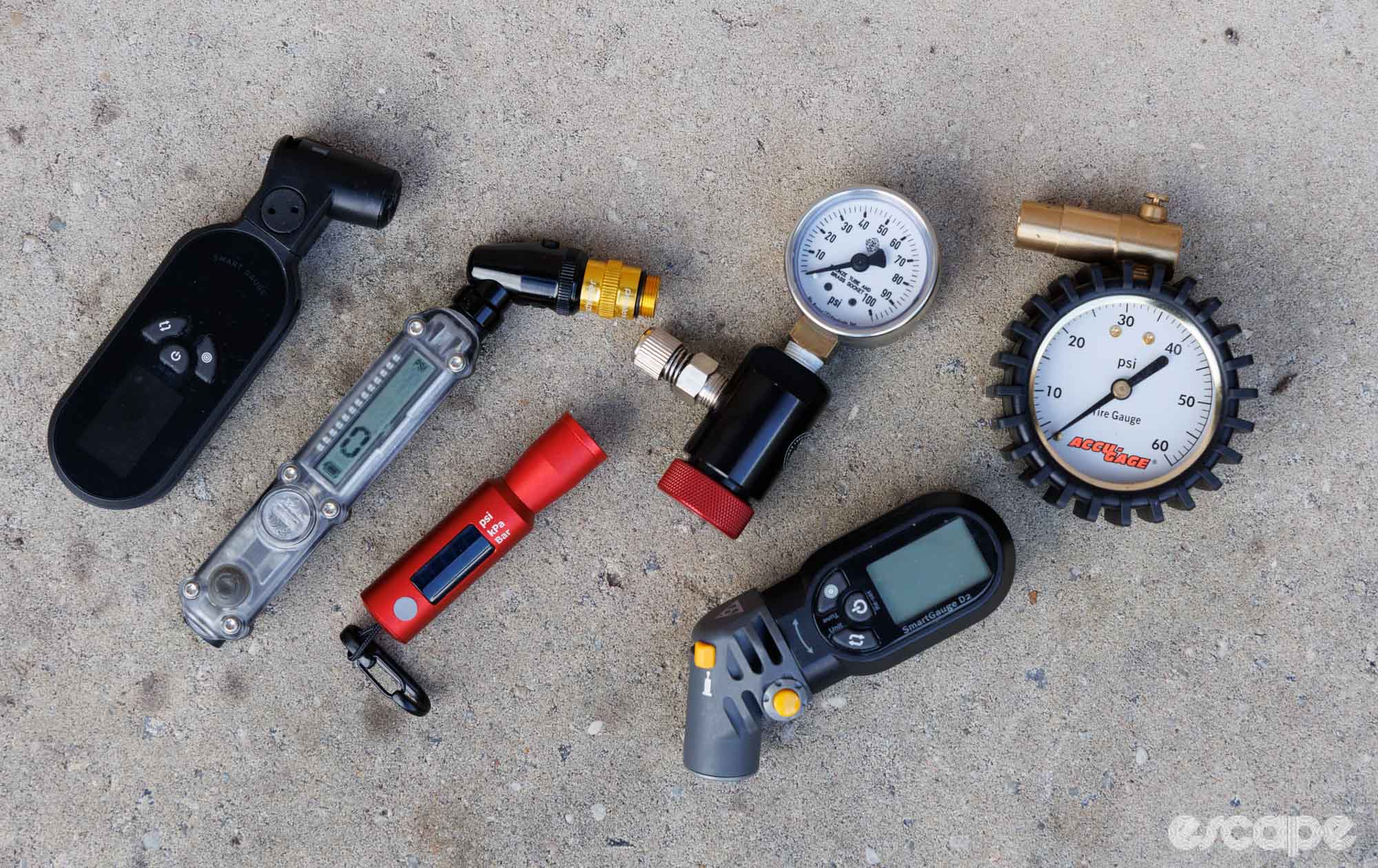
I believe the first tool to start with is a gauge you can trust. It may belong to your pump or be a standalone item. Either way, you want something you can take on and off the valve easily without causing significant air loss. And you want it to be easy to read at your desired pressure range (something many analog gauges on floor pumps don’t do). I quite like digital gauges for the ability to cover a wide range of pressures while offering an easy-to-read screen and rounding to the nearest PSI (some are even more precise).
What I use: Fumpa digital inflator – it doubles as an inflator and trust-worthy gauge (US$149).
What I suggest on a budget: Topeak Smart Gauge D2 (US$48, can be found for far less).
L-shape hex wrench set
All too often, I see people damaging the fasteners on their bikes by using low-quality and/or worn tools. A set of hex keys is so fundamental to working on bicycles that it’s a no-brainer to get yourself something that fits correctly and lasts longer.
The humble and classic L-shape hex key will fit just about every bolt on every bike and so it’s the one to start with before considering other shapes and styles of hex wrench. A nine-piece metric set spanning 1.5-10 mm is what you want. A set with a long handle length will make undoing tight things easier, while a ball-end will gain you access in tricky situations.
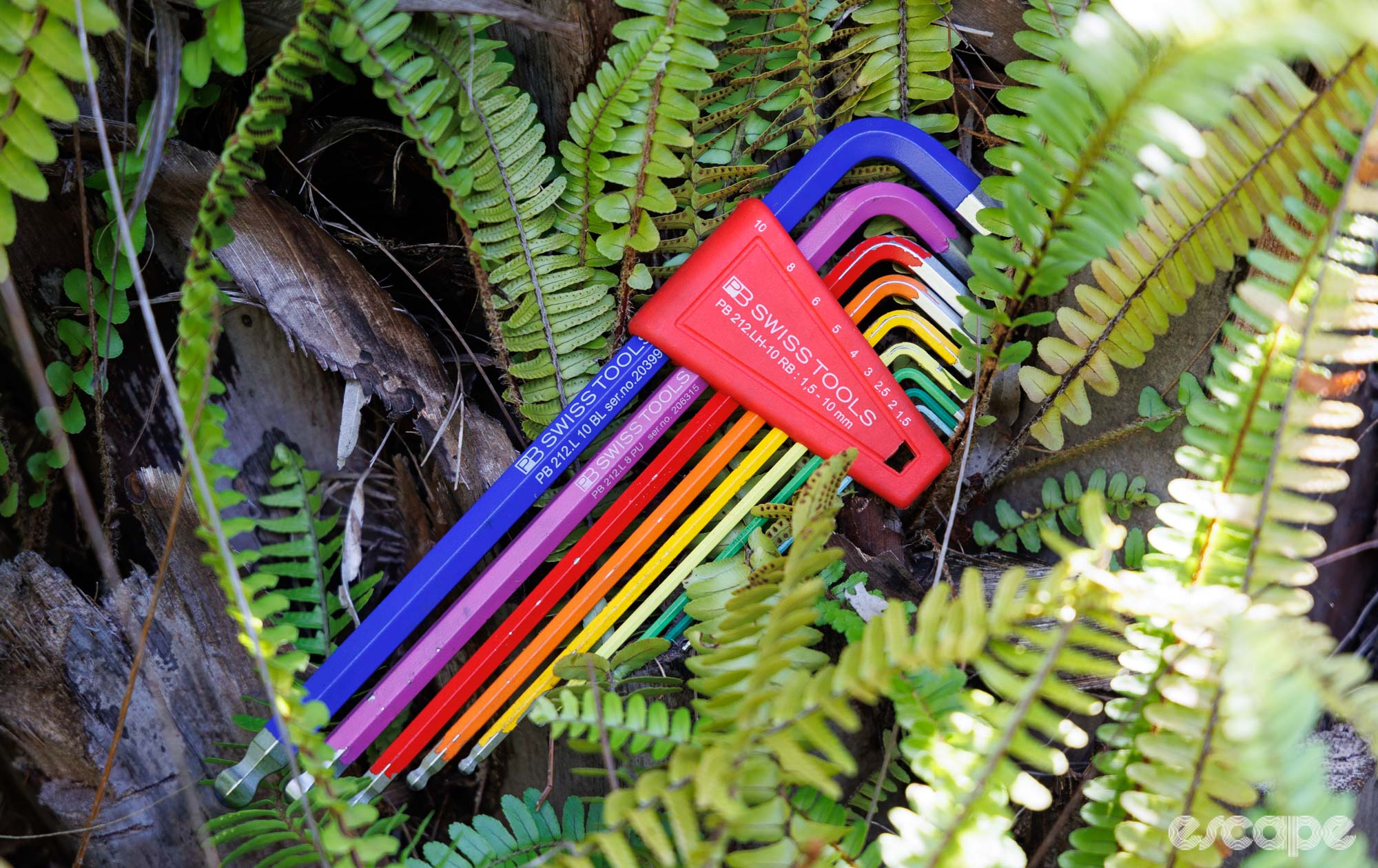
My suggestions below are based on fastener fitment and absolute compatibility without interference issues (something the plastic sheaths used on the popular Wera Rainbow keys – pictured in the lead photo – can suffer from). Durability is also important; these suggestions should last a home user a lifetime.
What I use: PB Swiss PB 212.LH-10 RB (approx US$75).
What I suggest on a budget: Bondhus BriteGuard Extra-Long Balldriver #17099 (approx US$20), Wera 073391 950/9 (approx US$42), or Wiha 66980 (approx US$45).
Tyre levers
Removing and replacing tyres is a task that any keen rider should at least know how to do. While some tyre and wheel combinations allow you to use only your hands, many still require the assistance of a tyre lever (or two).
Did we do a good job with this story?