
If, like me, you enjoy trawling through the numbers around the Tour de France, you don’t have to dig very deep to spot one very clear trend: the race has always been trending faster.
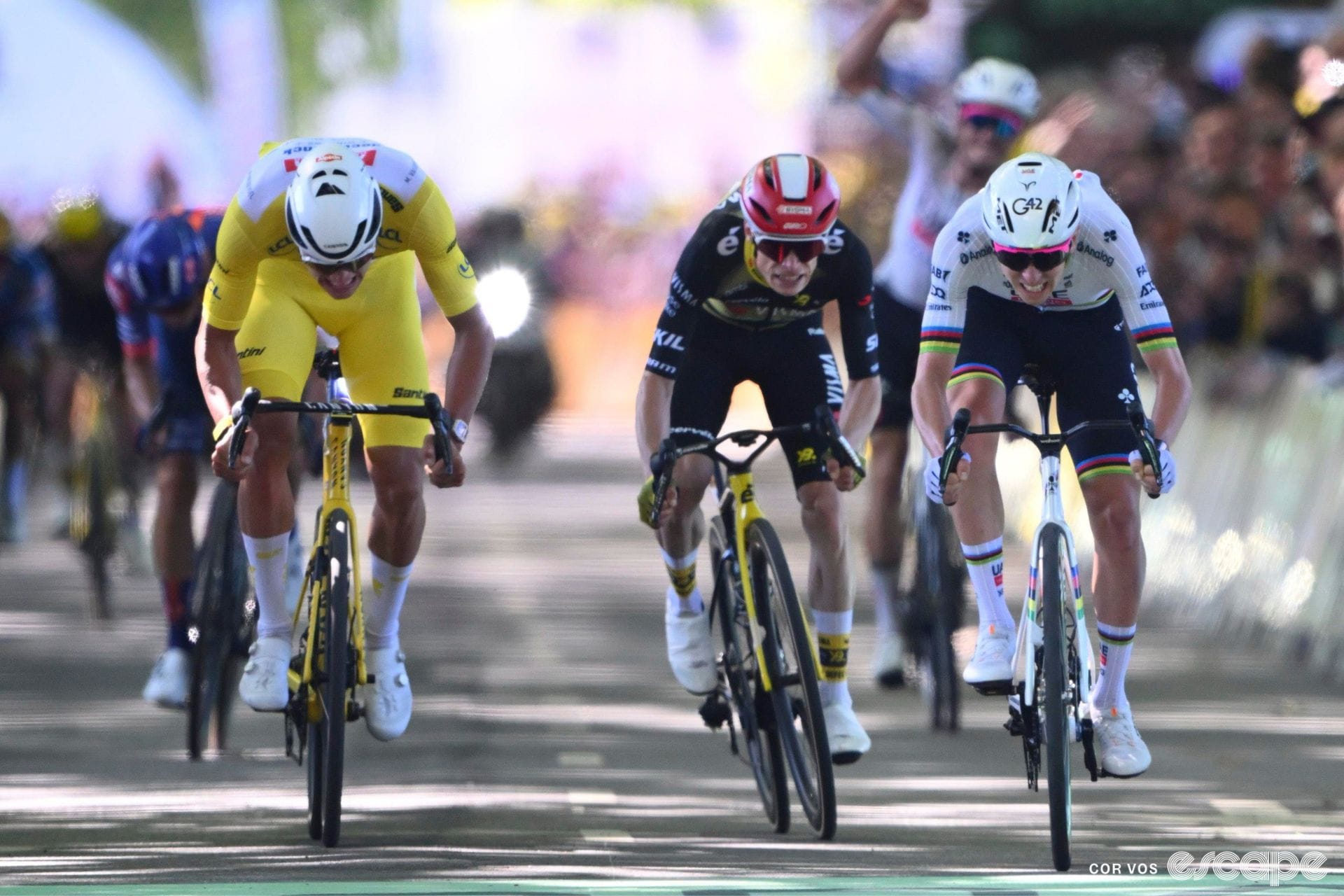
The last four editions have produced three of the fastest Tours in history, peaking last year when Tadej Pogačar averaged 42.85 km/h across the full three weeks. That alone represented an increase of more than 1 km/h over 2024’s edition, itself the second-fastest Tour in history.
Even rewinding back a decade to the Team Sky/Chris Froome era, race-winning averages regularly dropped below 40 km/h. Unlike in other sports, like motor racing, where progress can be more easily pinpointed, cycling performance is a messy cocktail of physiology, technology, tactics, and psychology.
And while in recent years aerodynamics has often been framed as the main driving force behind higher speeds, you need only go back beyond the mid-2010s to see that the upward trend still remains. Long before aero socks, integrated cockpits, oversized pulley wheels, and carbohydrate intakes beyond 100 grams/hour became normalised, Tour speeds were already increasing.
A recent study by Patrick Wilson, associate professor in exercise science at Old Dominion University, attempted to explain exactly what is driving this trend and where we might expect it to go next.
It can’t just be boiled down to different routes
One claim the study aimed to address was the suggestion that the Tour de France’s increasing speeds are largely the result of easier route design. While mammoth 240+ kilometre transitional stages have largely disappeared from modern editions, and mountain stages now frequently dip below 150 km, claiming the race has become ‘easier’ feels like a step too far – especially considering the volume of climbing packed into modern Tours.
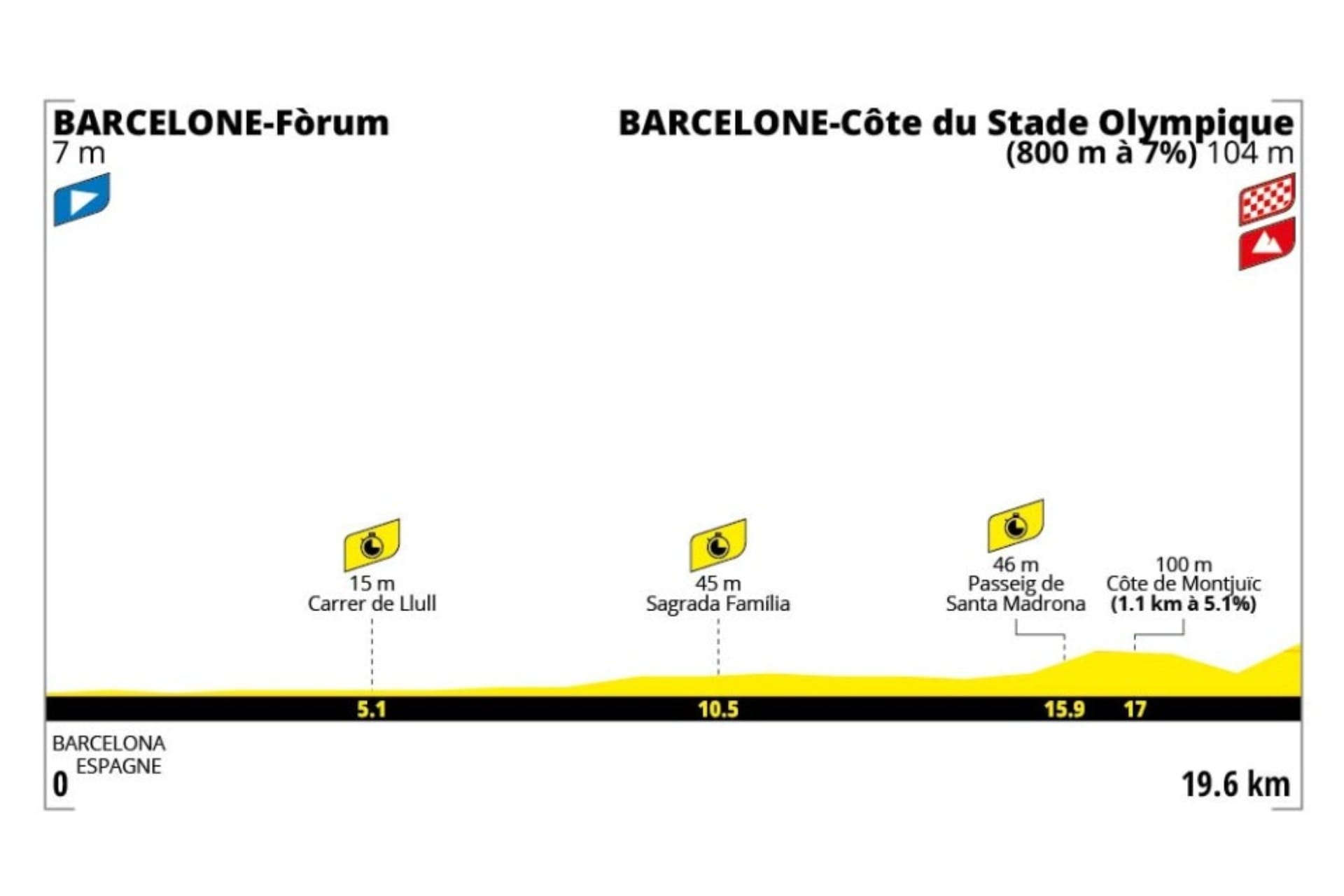
The 2023 and 2025 Tour routes contained more than 53,000 metres of elevation gain, while the 2026 route contains just shy of 55,000 metres. Compare that with 46,000-50,000 vertical metres during the late 1990s, and any argument that the Tour is becoming less demanding begins to look shaky.
 Dane Cash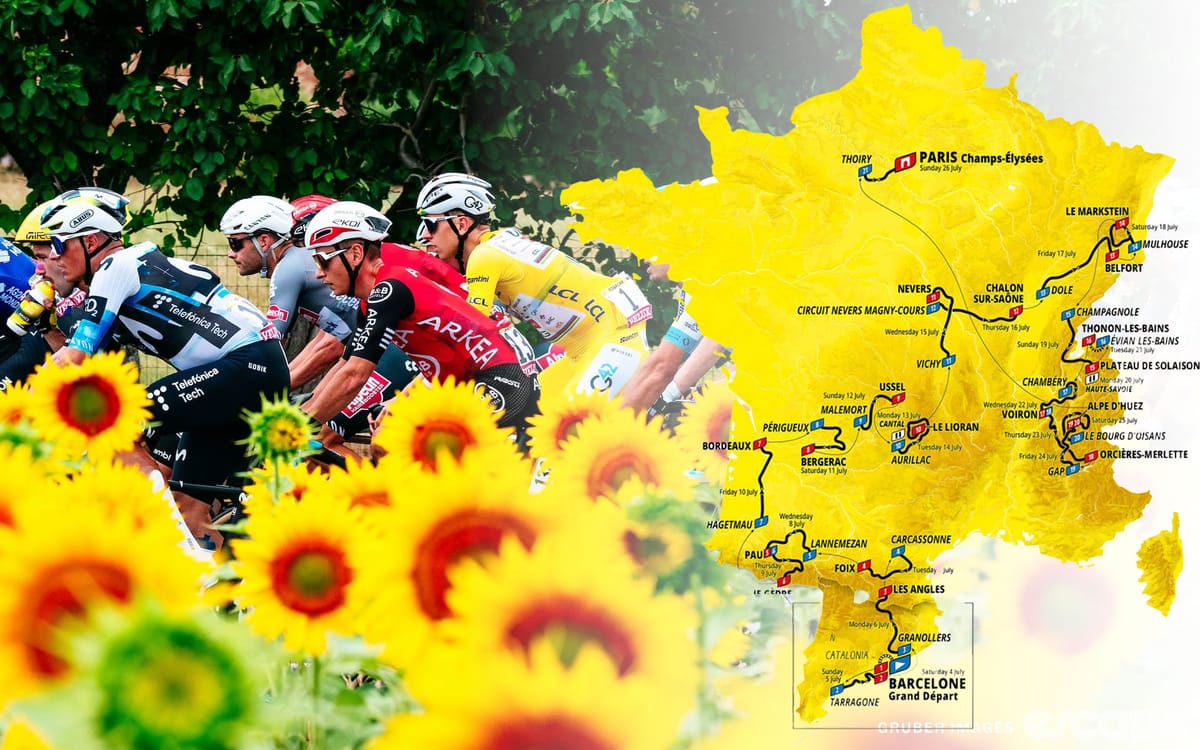
Did we do a good job with this story?