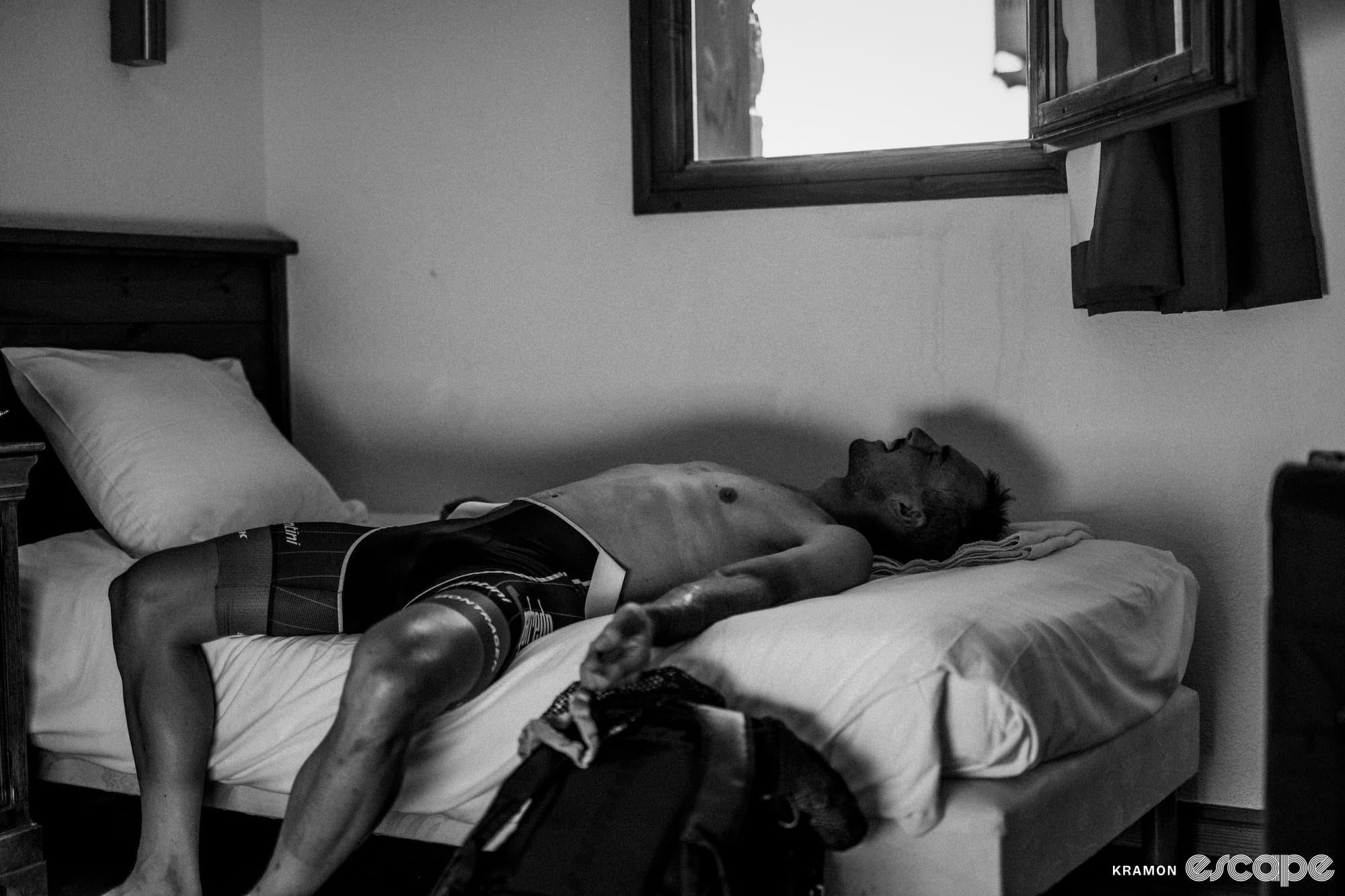

The career of a pro cyclist is a fragile one. Potentially career-ending perils lurk around every corner – and if it’s not crashes or injury that bring a rider down, there’s the fickle transfer market, near-annual team closures, sponsorship churn, and finally, ageing itself.
Many cyclists have the decision to retire made for them, often before they’re ready. Veterans of the sport, on the other hand, have navigated years of these challenges and, if they’re lucky, get to make that decision on their own terms. On the weekend, one such rider – the Norwegian sprinter and Classics specialist, Alexander Kristoff – retired after more than 15 seasons as a pro.
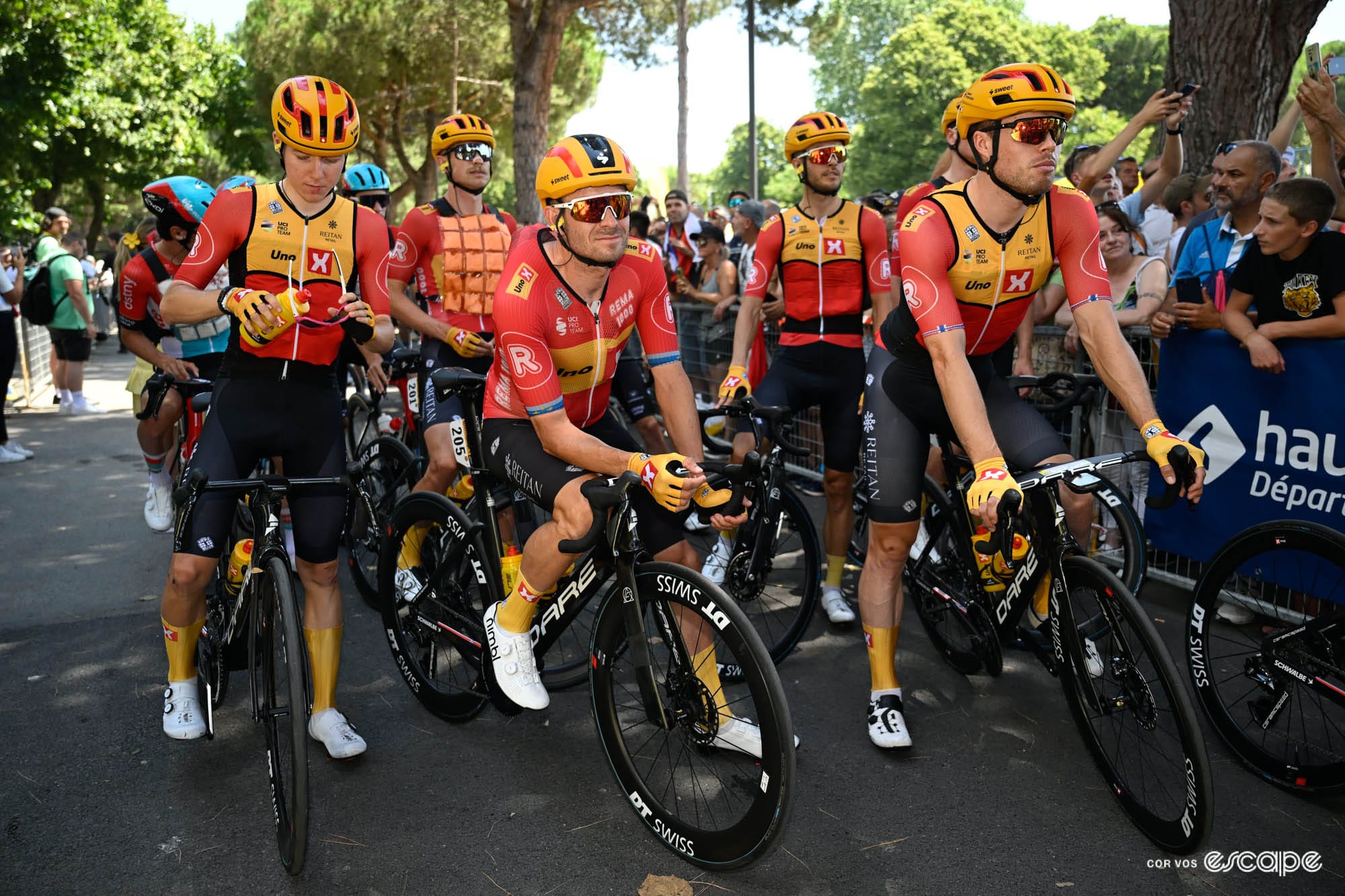
Kristoff’s retirement was well signposted, but his final race gives a perspective on the challenges inherent in the sport. Kristoff’s Uno-X Mobility team went to the Tour de Langkawi in Malaysia with two targets: to pick up enough points to secure a place in the WorldTour from next season, and for Kristoff to get two last wins to retire on an even 100 victories.
The points quest went well, although promotion will go down to the wire; Kristoff’s personal mission did not, with his best result being second on stage 3. He crashed out of the race on stage 7, going down at high speed in a feed zone, and was farewelled from the sport on Sunday. The Stavanger Stallion’s last act in pro cycling was as a passenger in a rickshaw in Kuala Lumpur, rolling down the middle of a guard of honour of his peers.
The 38-year-old leaves the sport with some spectacular results: an Olympic road race medal (bronze, 2012), four Tour de France stage wins and a day in the yellow jersey (2020), two Monuments (Milan-San Remo 2014, Tour of Flanders 2015), World Championship runner-up and European Champion (both 2017), and two-time national champion. His career tally of 98 pro wins makes him perhaps Norway’s greatest-ever cyclist (Thor Hushovd, the other contender, has 67 wins, including 10 Tour de France stage wins and two green jerseys, along with a road race world title.)
While Kristoff is an outlier in Norwegian cycling history, he’s also a bit of an anachronism in the sport as it stands currently, straddling a divide between generations of the sport. A mentor to his young teammates, he’s one of the last riders from the era of Peter Sagan, Mark Cavendish, Marcel Kittel, and Fabian Cancellara. Today’s top riders are finely-honed with the latest advances in sports science; Kristoff’s first altitude camp was in 2024.

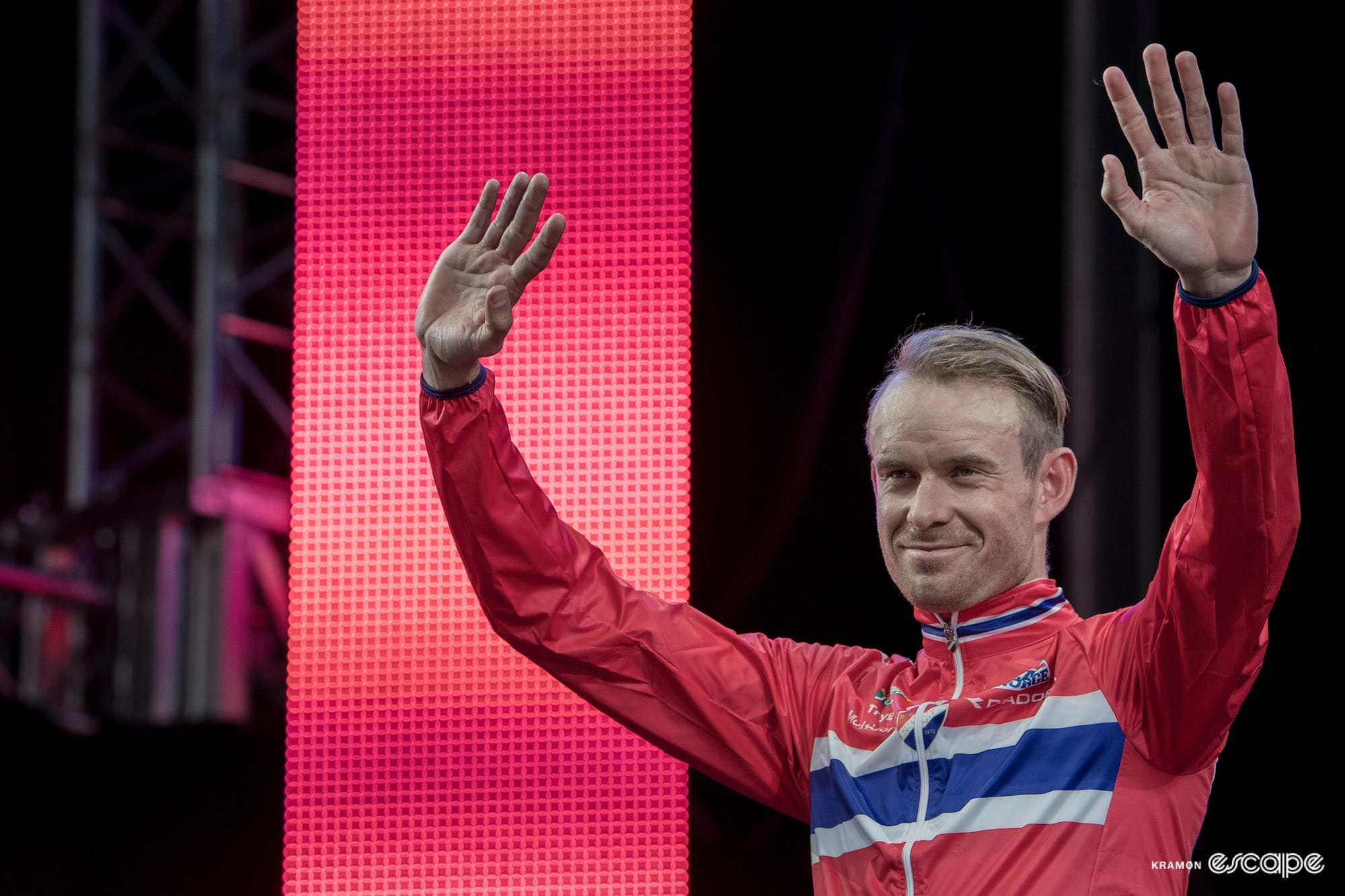
Kristoff came desperately close to winning a World Championship at home in Norway, being pipped in a photo finish by Peter Sagan in 2017.
His strength as a rider was never just his speed, but his toughness on the bike – Kristoff frequently came into his own on the hardest days, when bad conditions saw his rivals falter. That’s a legacy, perhaps, of his environment: for the duration of his career he has been based in Stavanger, in western Norway, compared to many riders of the current generation who move to the likes of Andorra, Girona, or the French Riviera for more favourable training conditions.
In early July, I interviewed Kristoff and his wife, Maren, while in Stavanger. Fittingly enough for where the conversation ended up going, initial plans for an in-person meeting were derailed by various family schedules, so we were on the phone, about two kilometres away from each other. While the conversation started out being about his non-selection for this year’s Tour de France, it turned into a generous reflection on Kristoff’s long journey in the sport, what the challenges and pressures have been for Maren, how to juggle four sons (with a fifth now on the way), and what lies in store for the Kristoffs.

Did we do a good job with this story?