
French brand Hutchinson’s involvement in tyre manufacturing long predates its modern race-day rubber and pro cycling sponsorships. The company’s origins stretch back to 1853, some 30 years before pneumatic tyres would first find their way onto mass-produced bicycles. The company was founded by American-born entrepreneur Hiram Hutchinson, who brought Charles Goodyear’s (yes, that Goodyear) newly invented vulcanisation process to Châlette-sur-Loing, France.
Long before bicycles were the company's focus, Hutchinson made its name producing rubber goods. Perhaps the most famous product was the vulcanised waterproof boots produced under the Aigle brand; while the Aigle brand name continues today, its connections with Hutchinson ended in 1967. But Hutchinson had long since found its direction.
As cycling emerged as a mode of transport and – soon after – a sport at the end of the 19th century, Hutchinson was well placed to capitalise on its expertise in rubber. Pneumatic rubber tyres quickly became essential to the comfort, speed, and reliability of early bicycles. Hutchinson was among the European manufacturers that helped refine pneumatic tyre construction during cycling’s formative years, even if Dunlop had been first to the table. While other brands came and went, Hutchinson built a reputation as a technically competent, industrially capable tyre maker, operating across the intersection of cycling, automotive, and industrial rubber.
As the 20th century rolled on, Hutchinson’s tyre production expanded alongside its automotive and industrial divisions. That heritage is still visible today in the French factory’s century-old, steam-driven machines. Designed for a different era, they remain capable of doing the job more than a hundred years later.
In cycling terms, Hutchinson has often existed slightly outside the spotlight, surfacing periodically at key moments. One such moment came in the early 2000s, when the brand sponsored the first iteration of what would become the hugely successful Quick-Step team, placing its tyres under some of the most dominant riders of a generation. Since then, Hutchinson has been in and out of the WorldTour, most recently sponsoring Intermaché-Wanty before its merger with Lotto.
 Ronan Mc Laughlin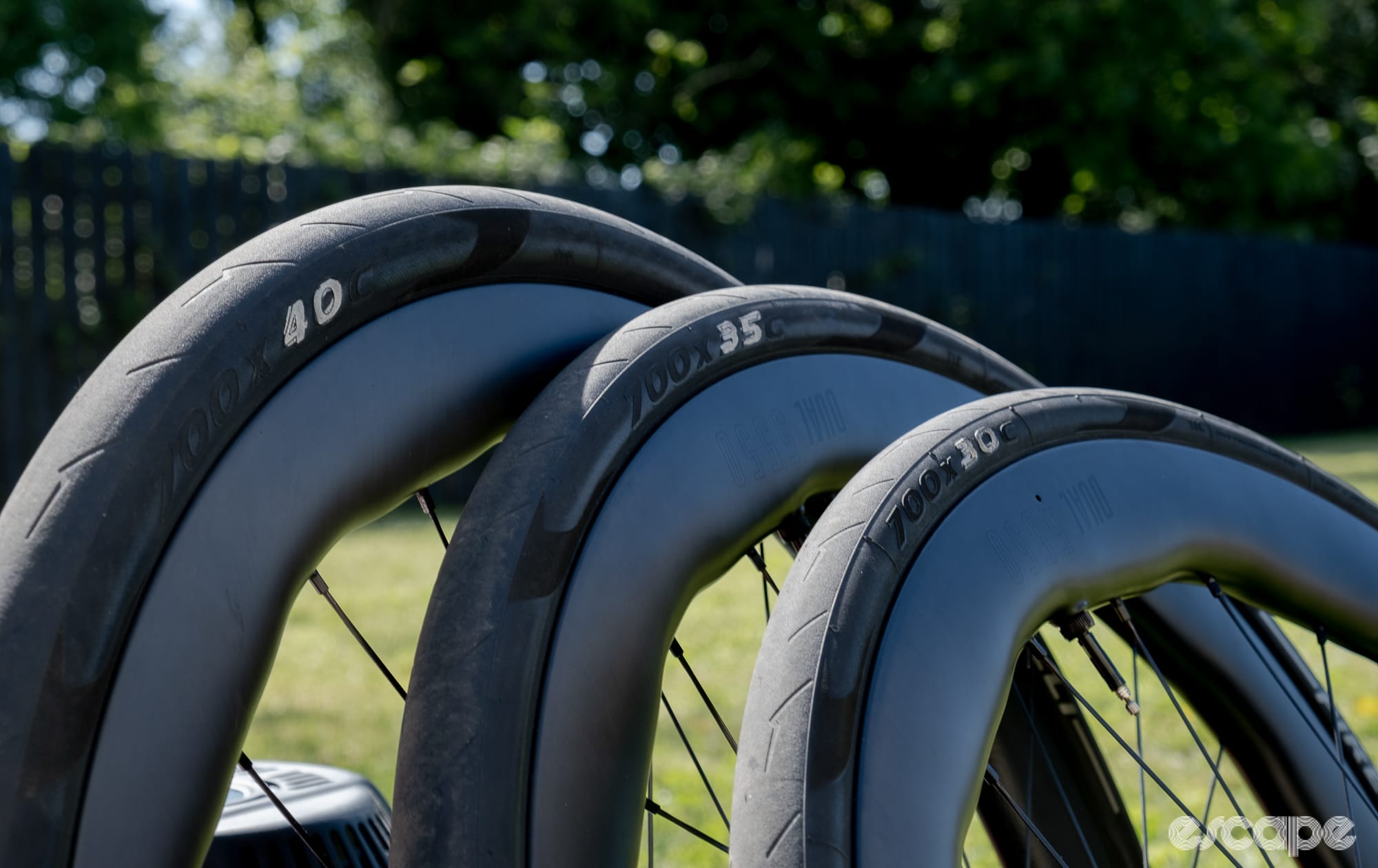
In recent years, the brand has sharpened its high-performance focus. The current generation of top-tier product lines like Blackbird on the road and Caracal for gravel reflect a shift toward tyres designed explicitly for racing performance, built around lighter casings and faster compounds, while still being produced in France. At a time when outsourcing has become the default, Hutchinson has doubled down on domestic production for its top-tier models.
Today, Hutchinson’s bicycle tyres sit at the intersection of two worlds: 19th-century manufacturing ideas applied to modern racing demands.
Did we do a good job with this story?