Welcome to Escape Collective. Please select your language.
Please note that this is an automated translation and it will not be perfect. All articles have been written in English and if anything appears to not make sense, please double check in English.
I know, I know, two TT galleries in 36 hours; this must be a London bus nightmare for those not so interested in time trial tech. Fear not, though; there is some road tech incoming over the coming days.
In the meantime, and in good news for those who do enjoy TT tech, here's the final instalment from the 2026 Tour De France.
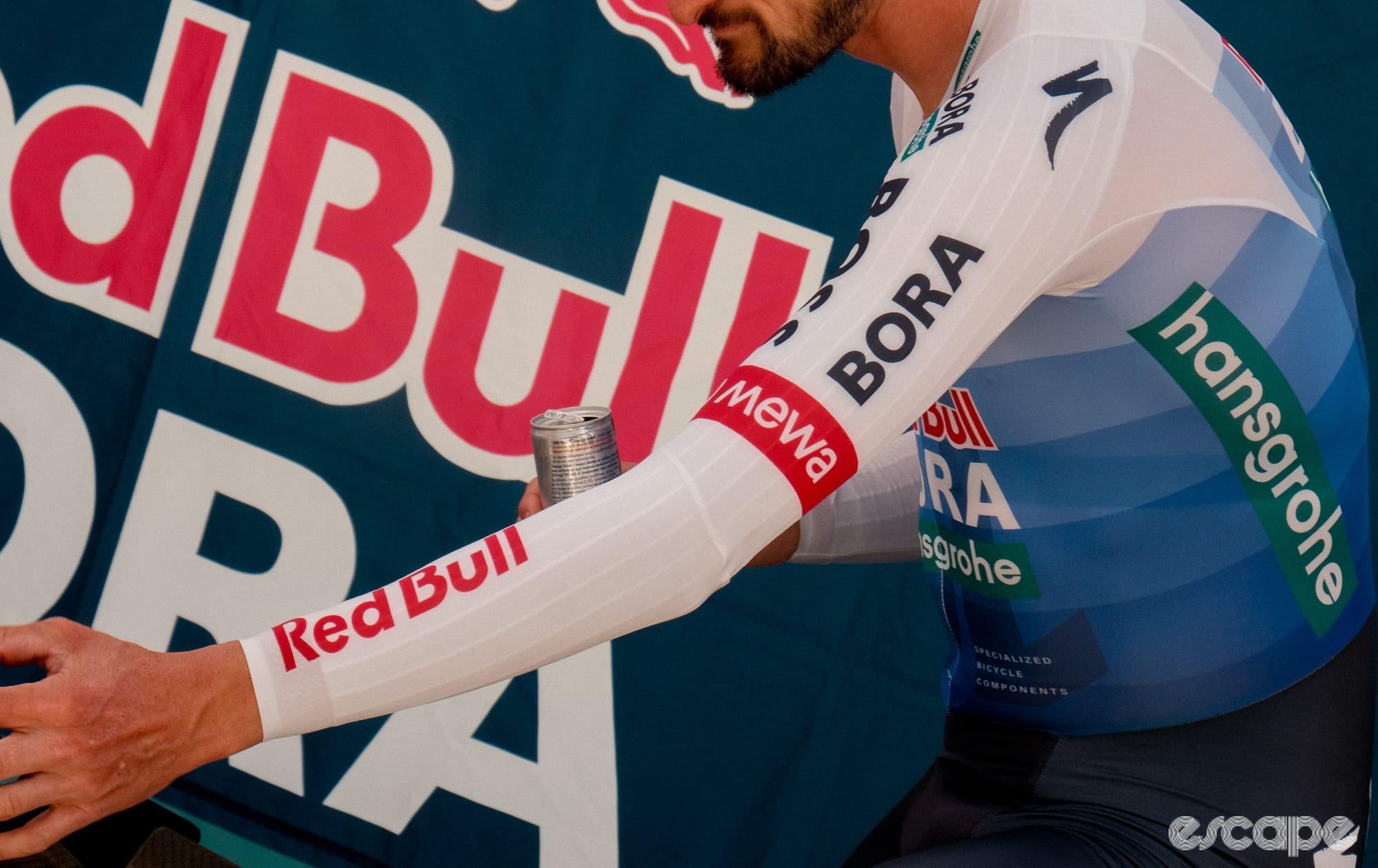
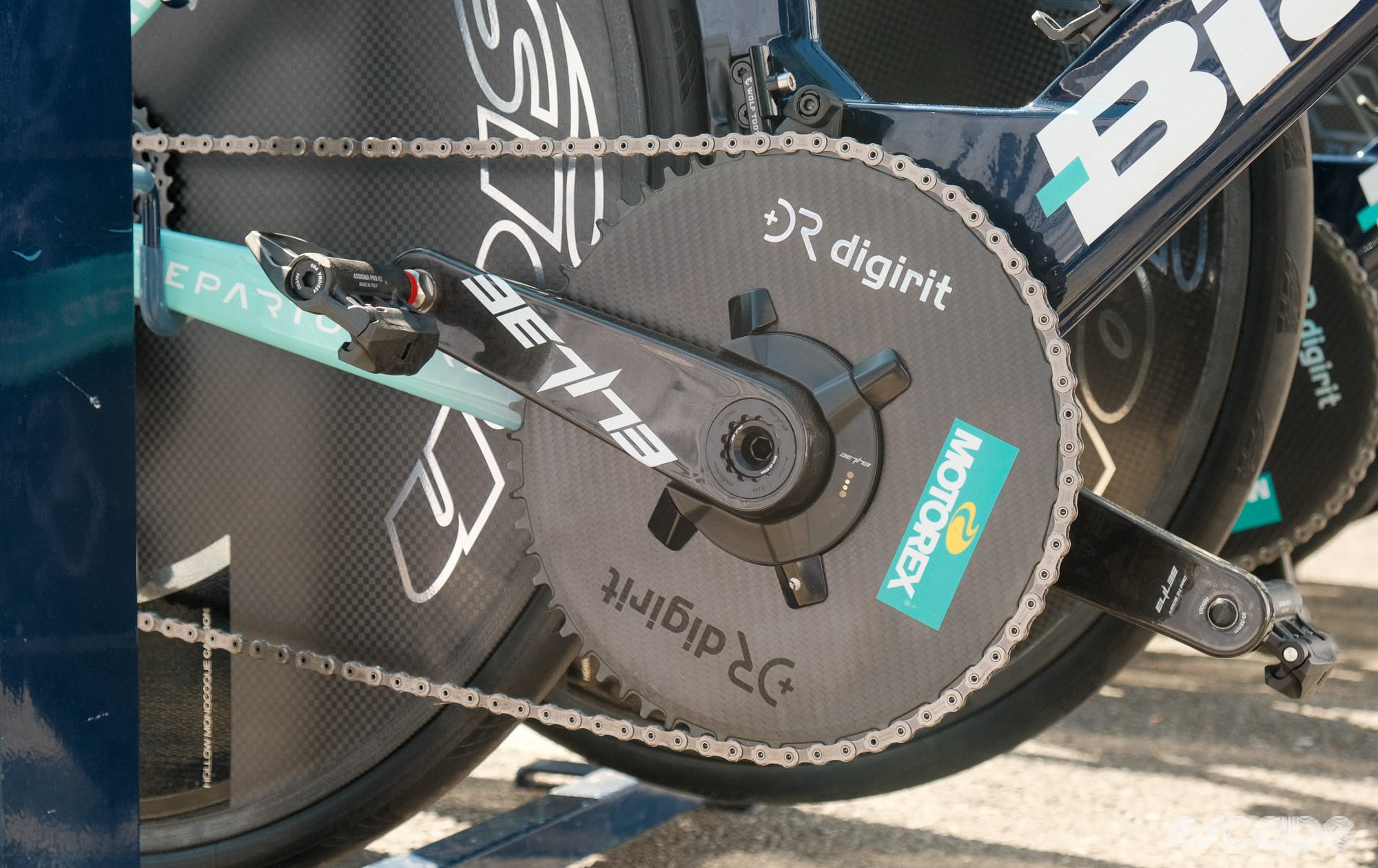
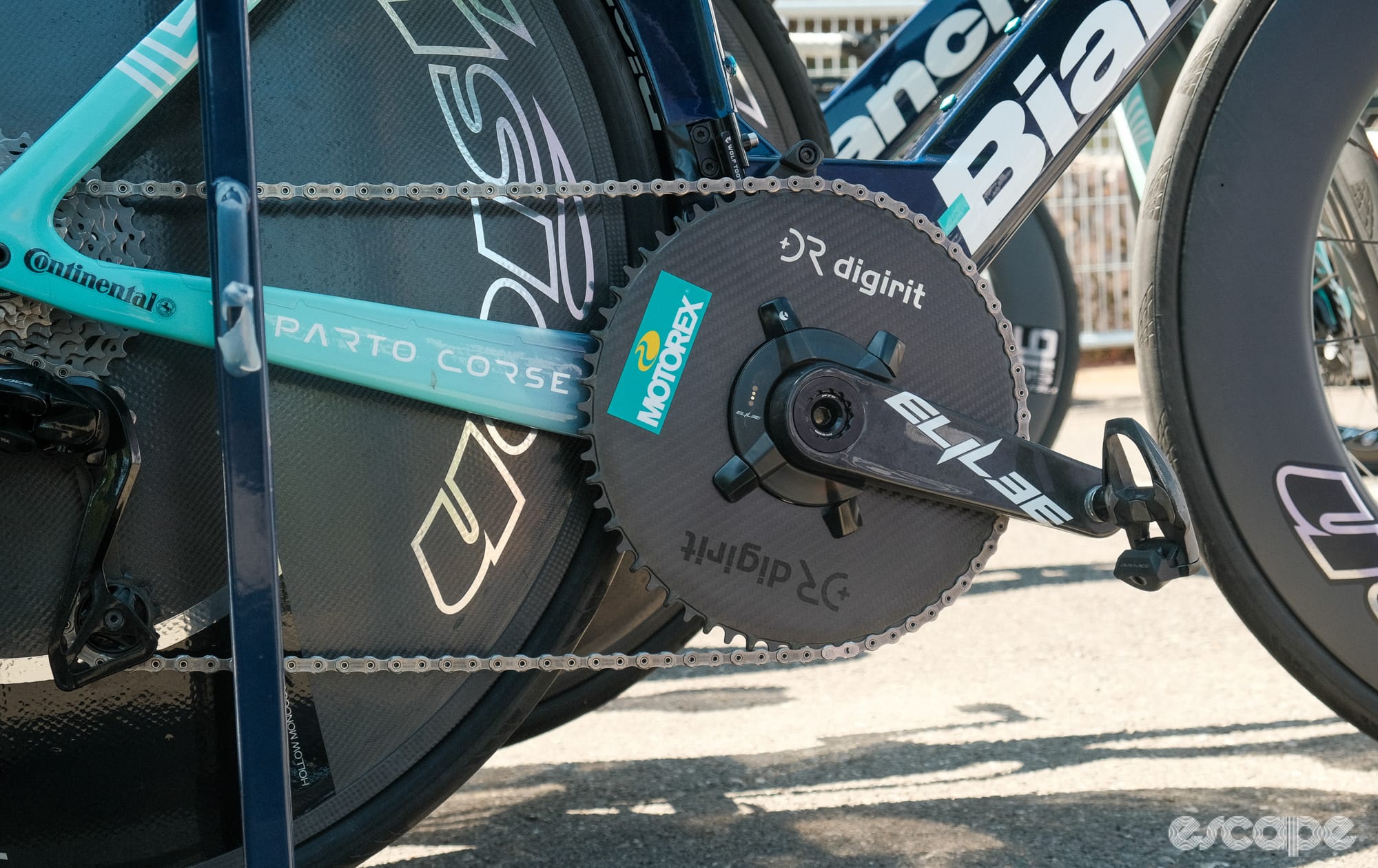
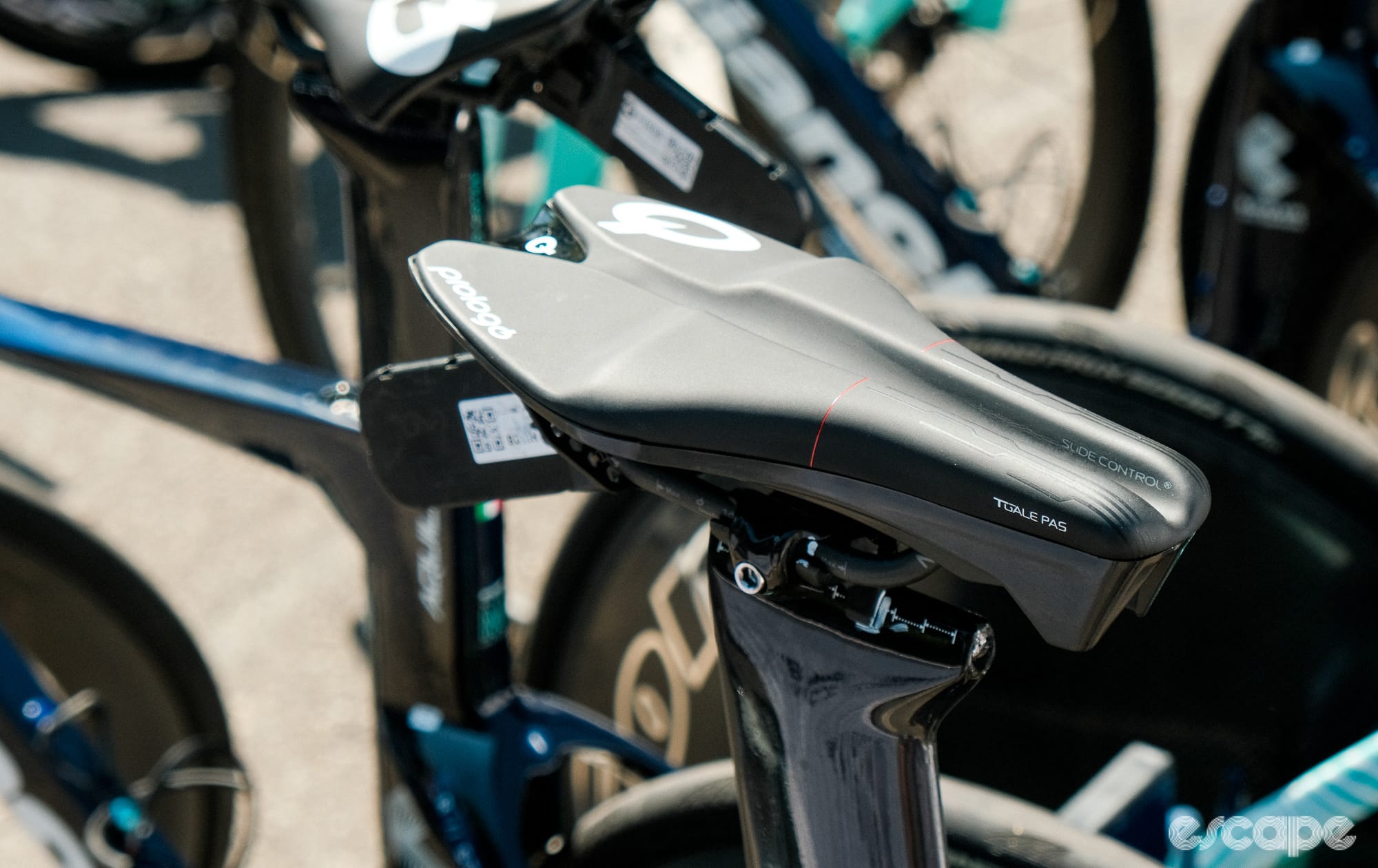
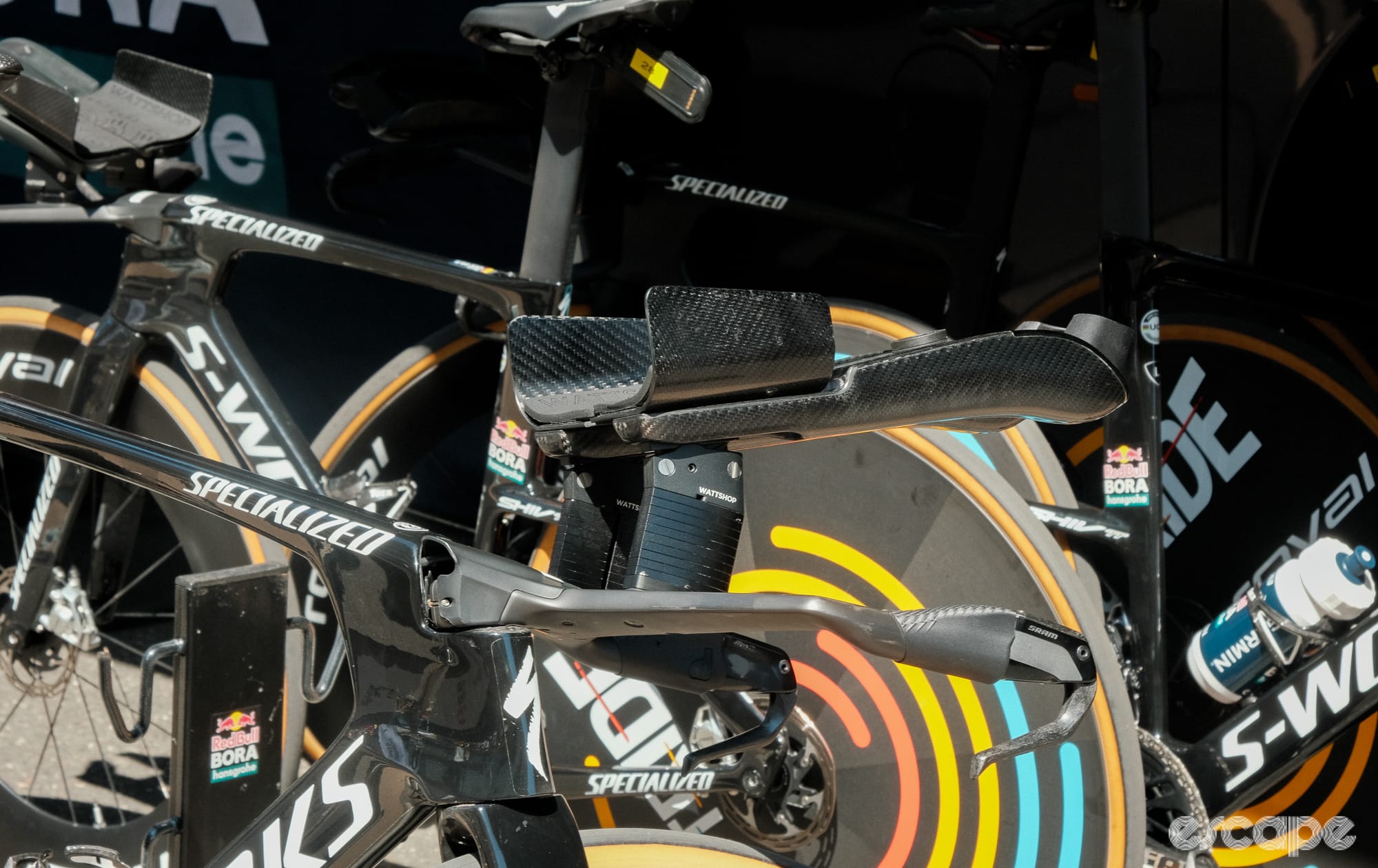
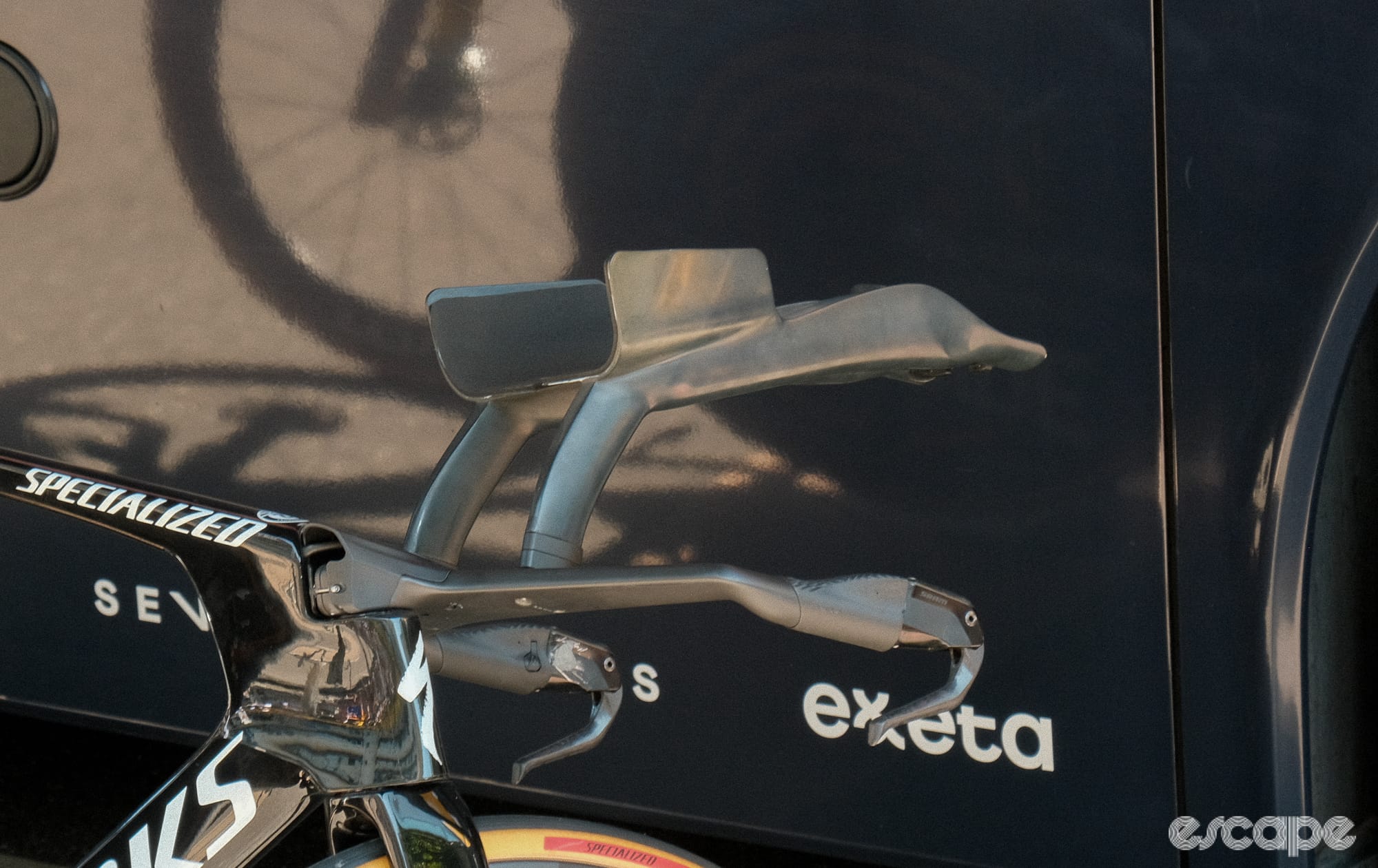
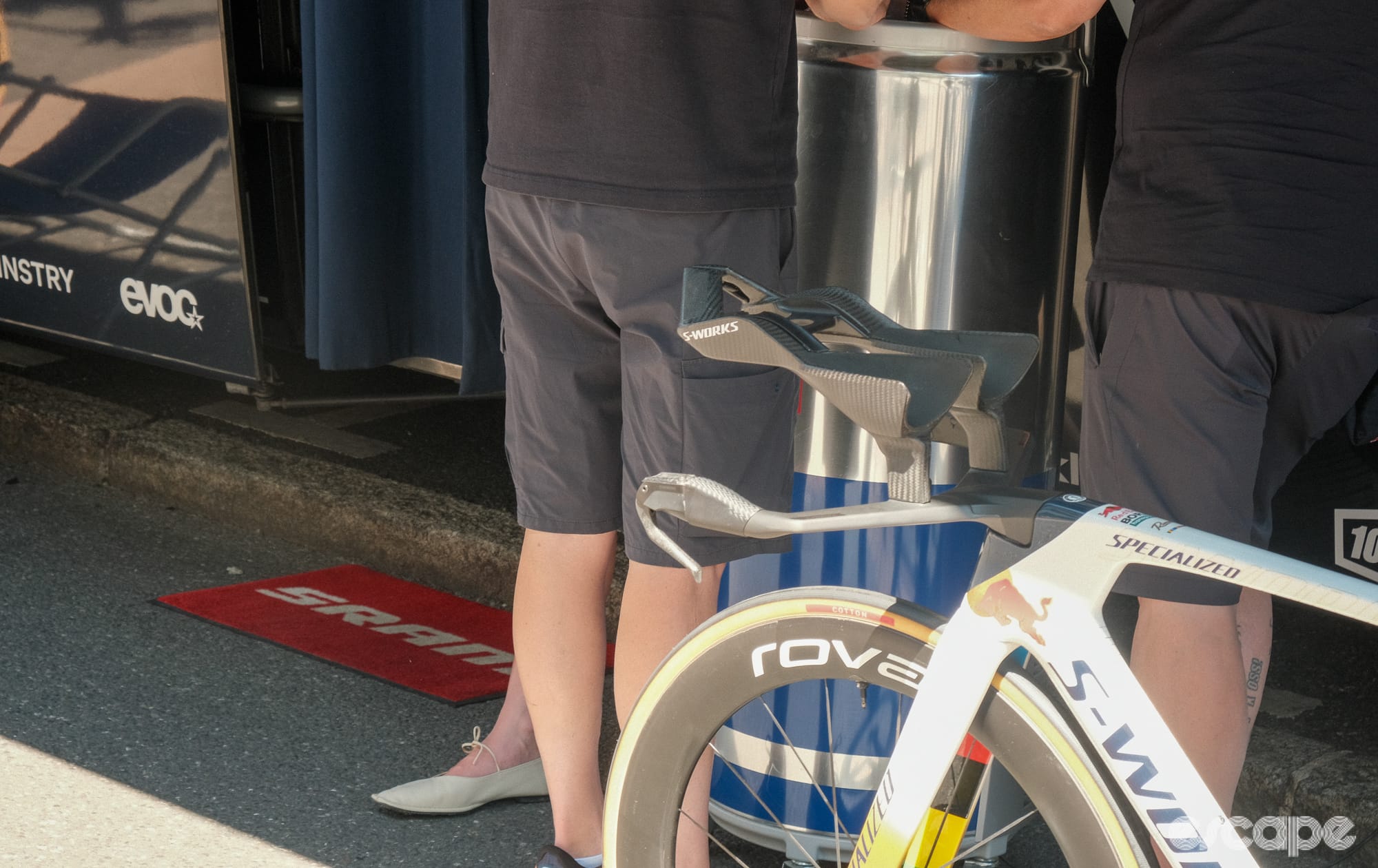
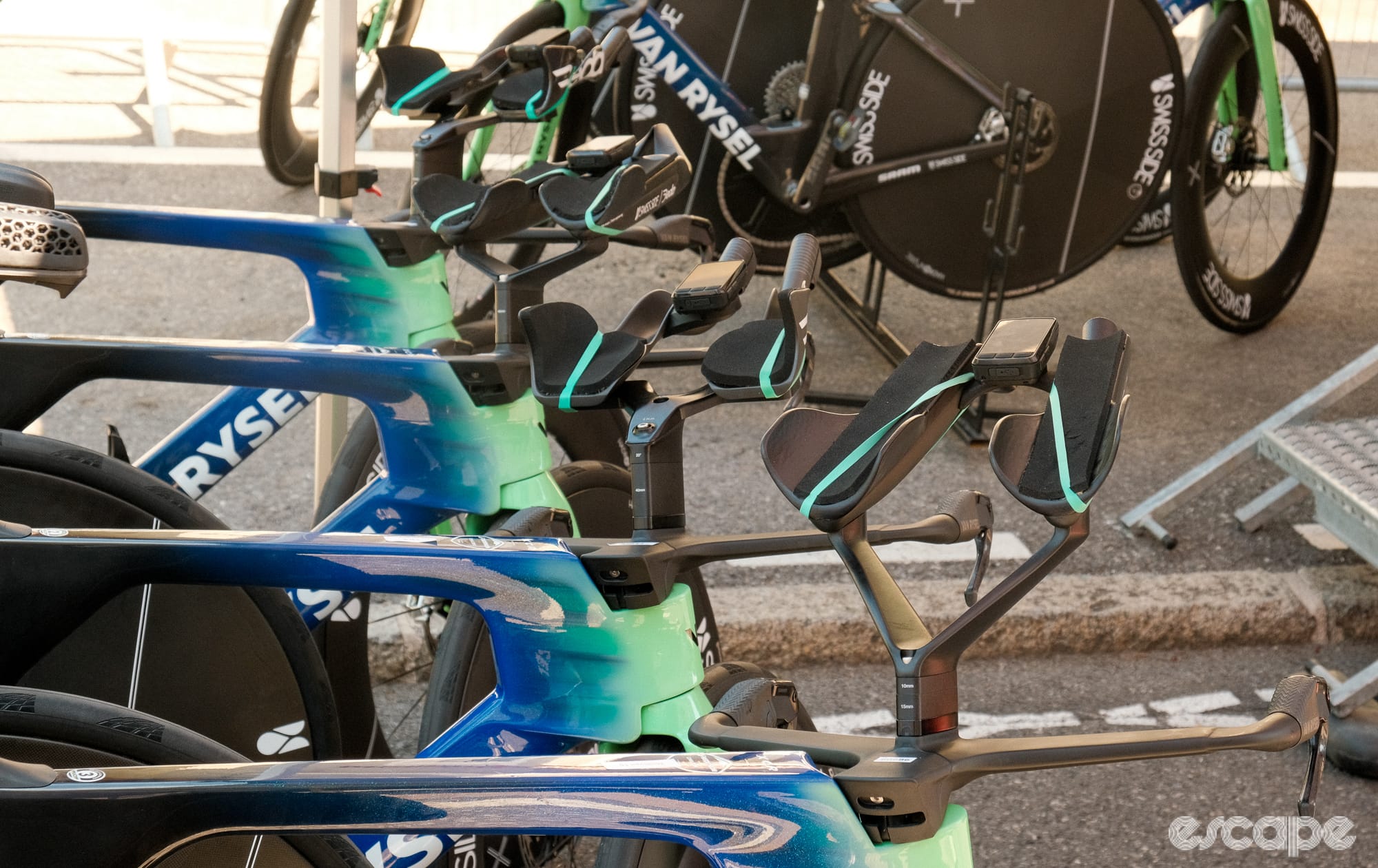
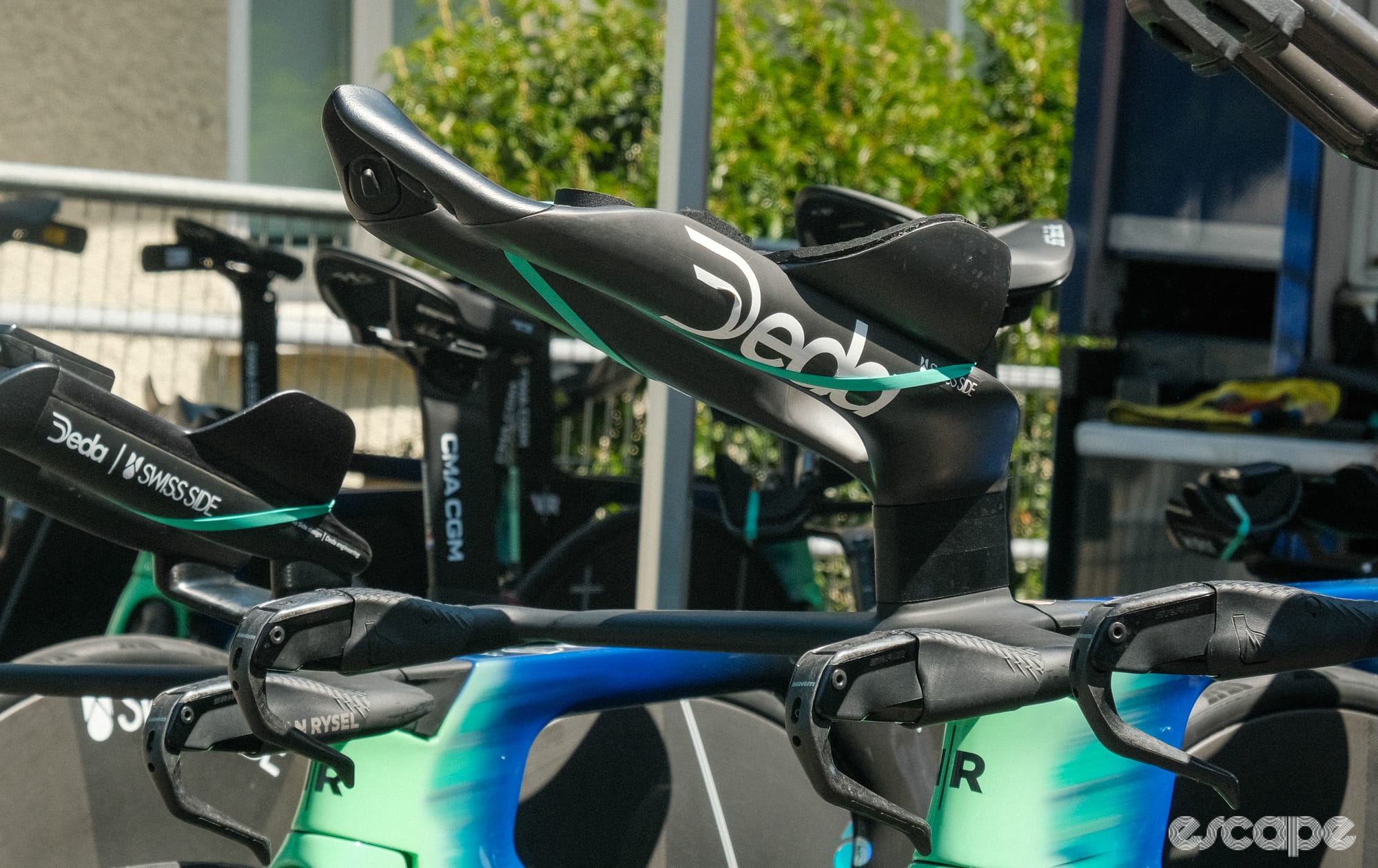
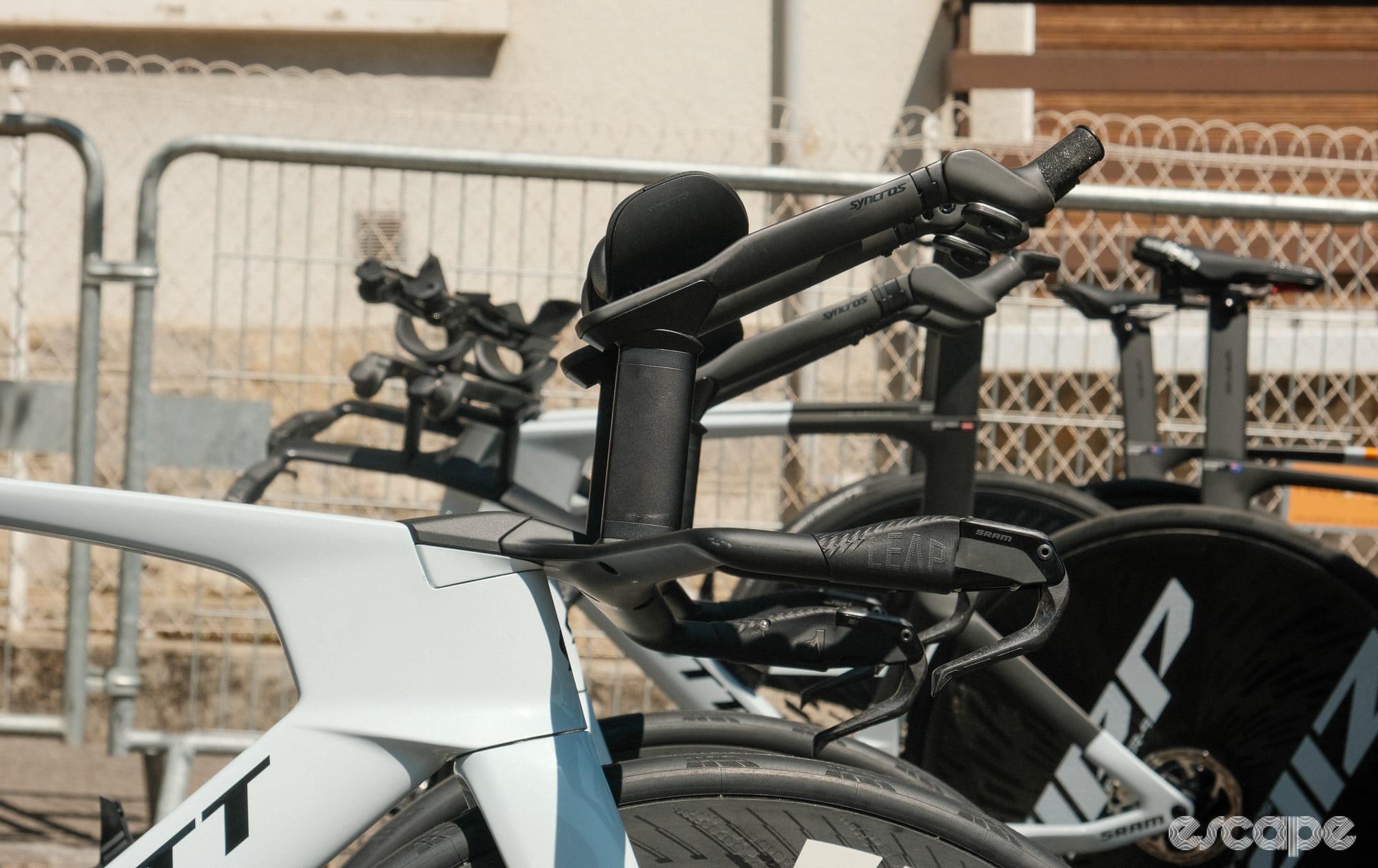
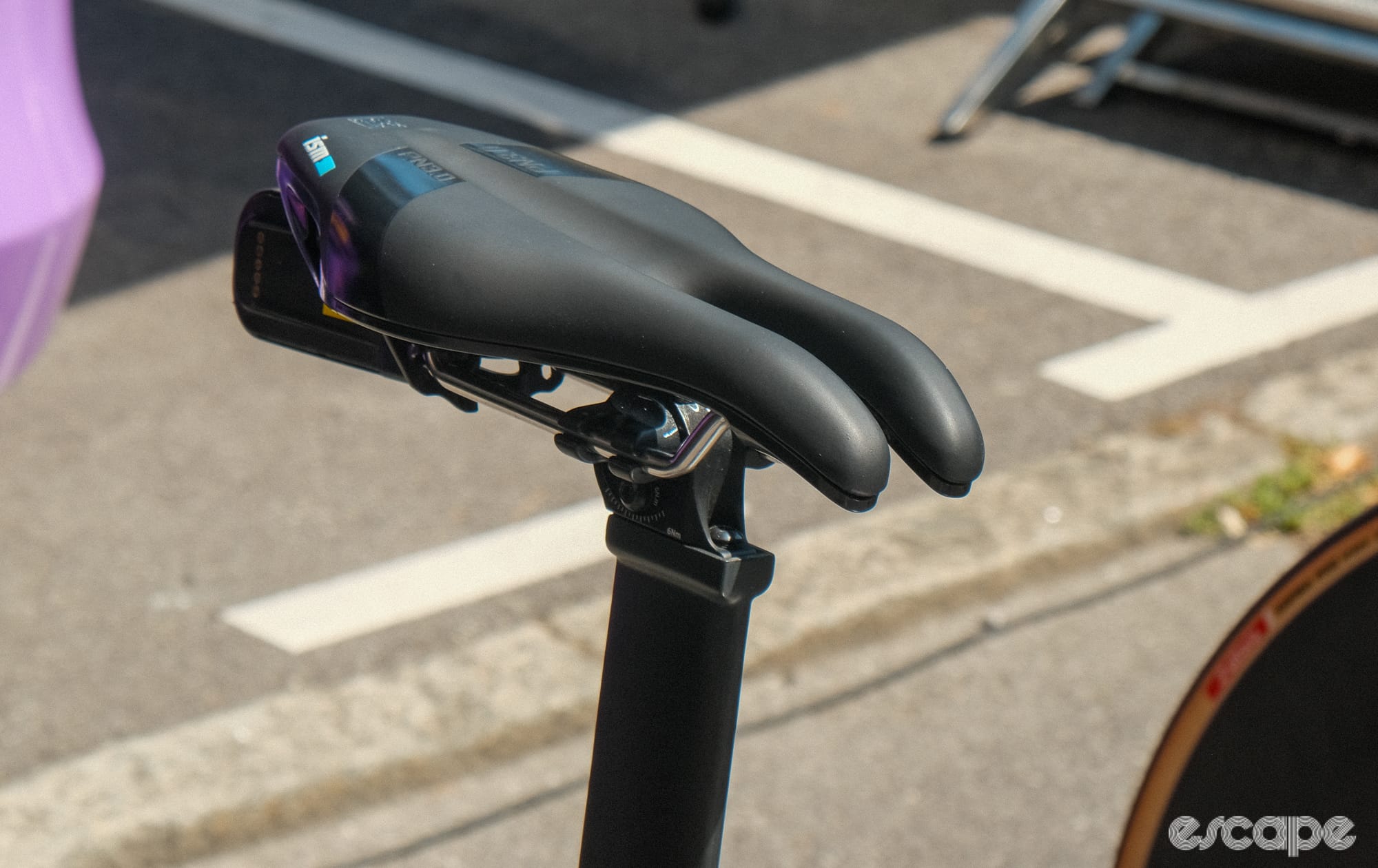
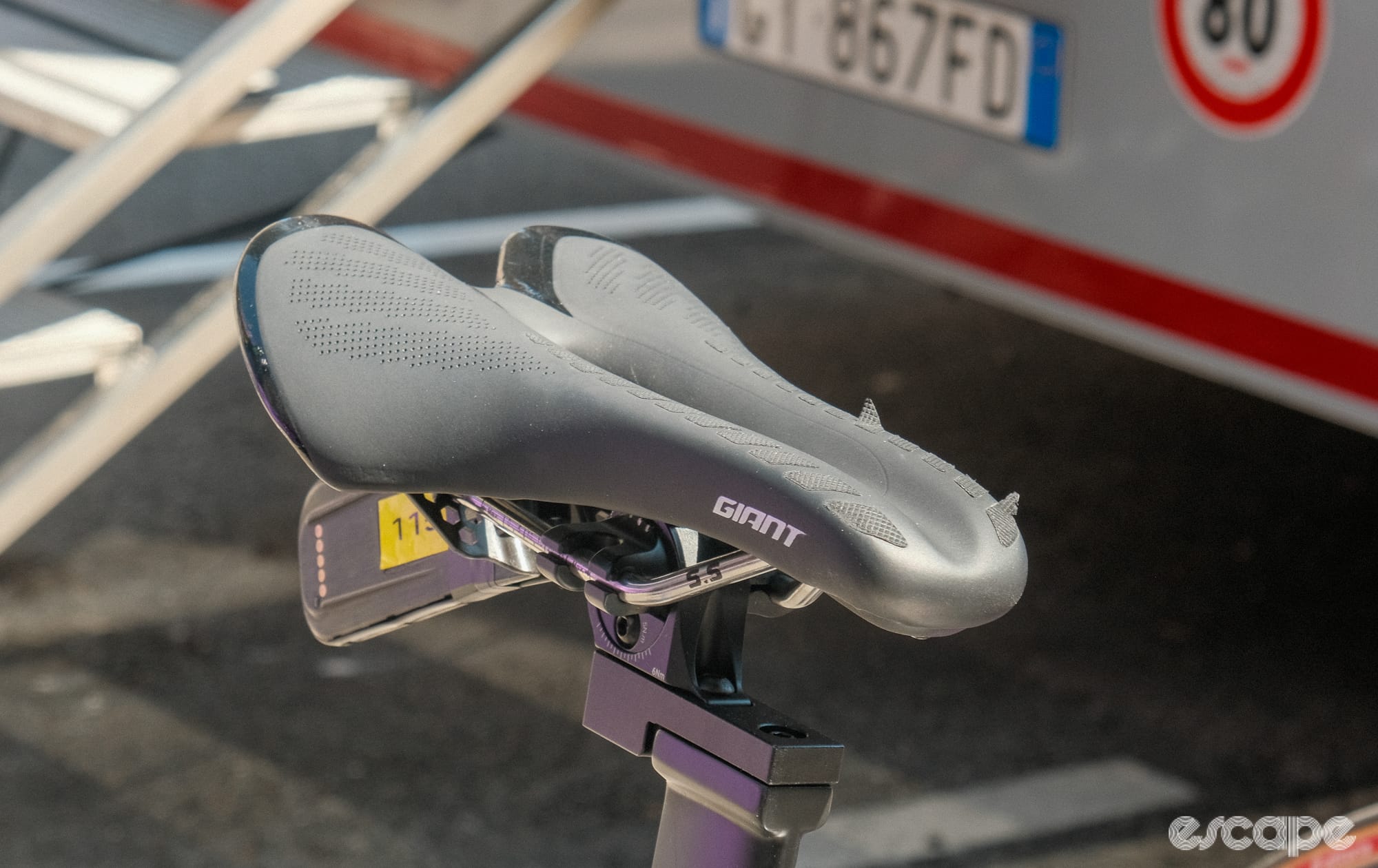
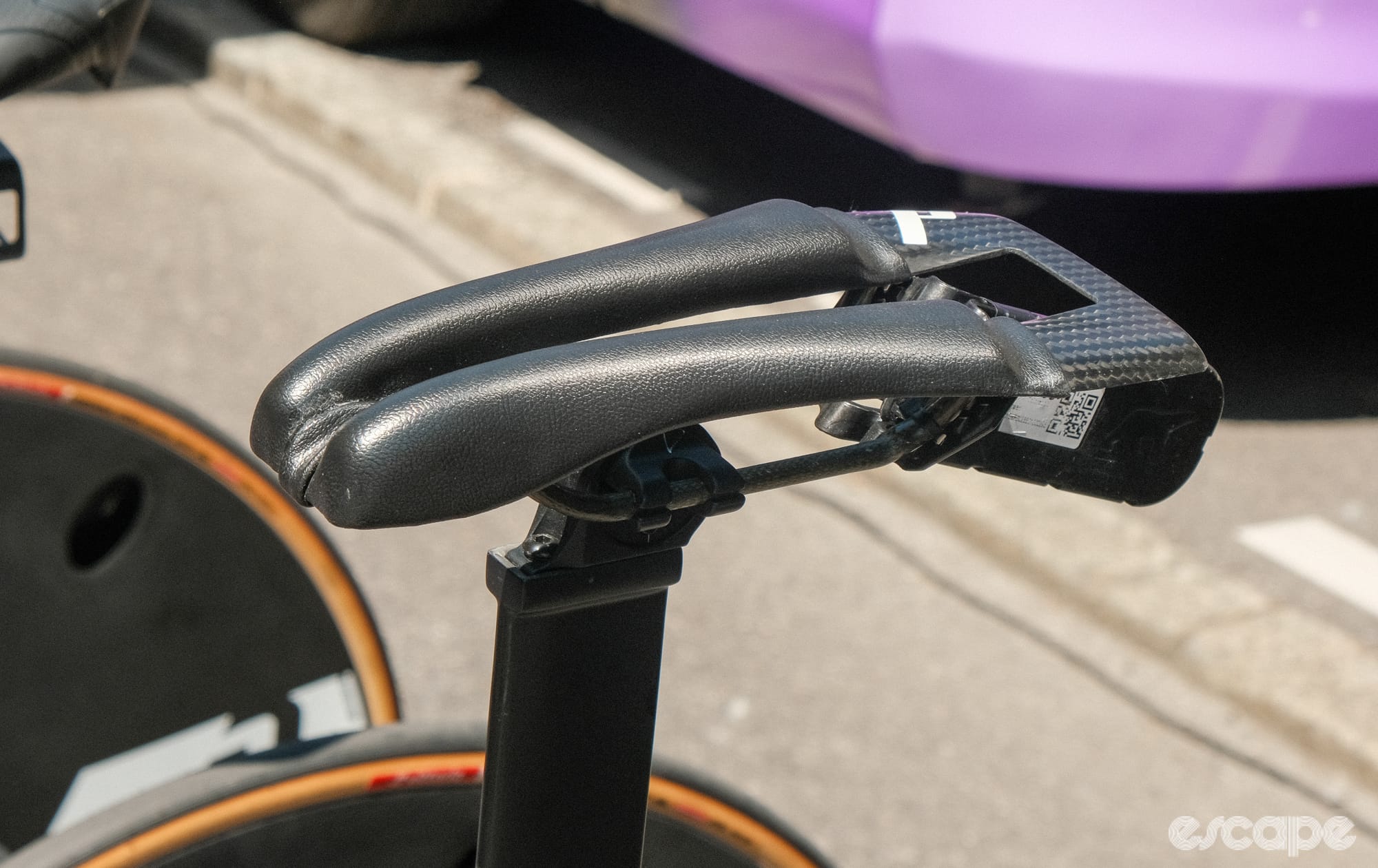
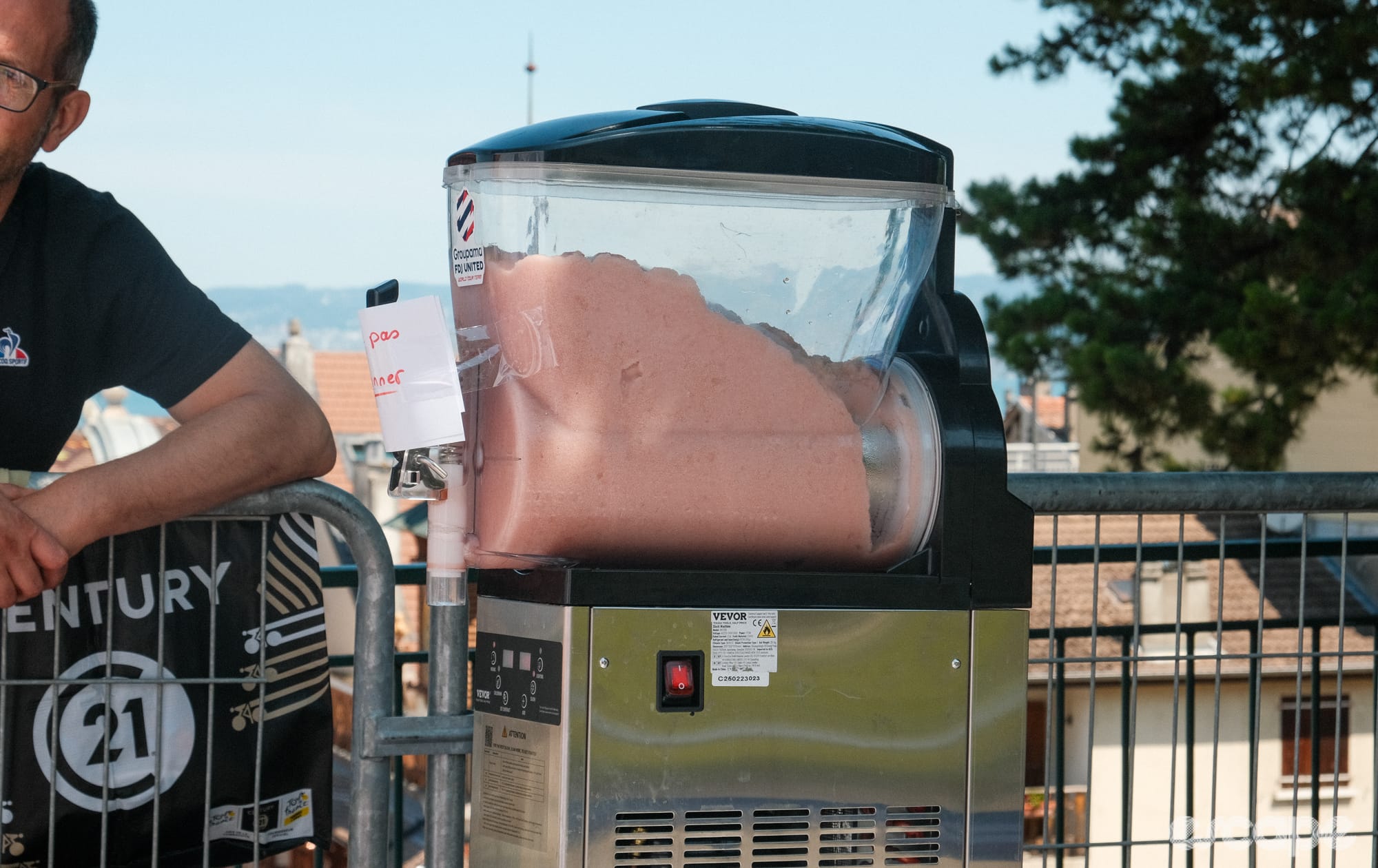
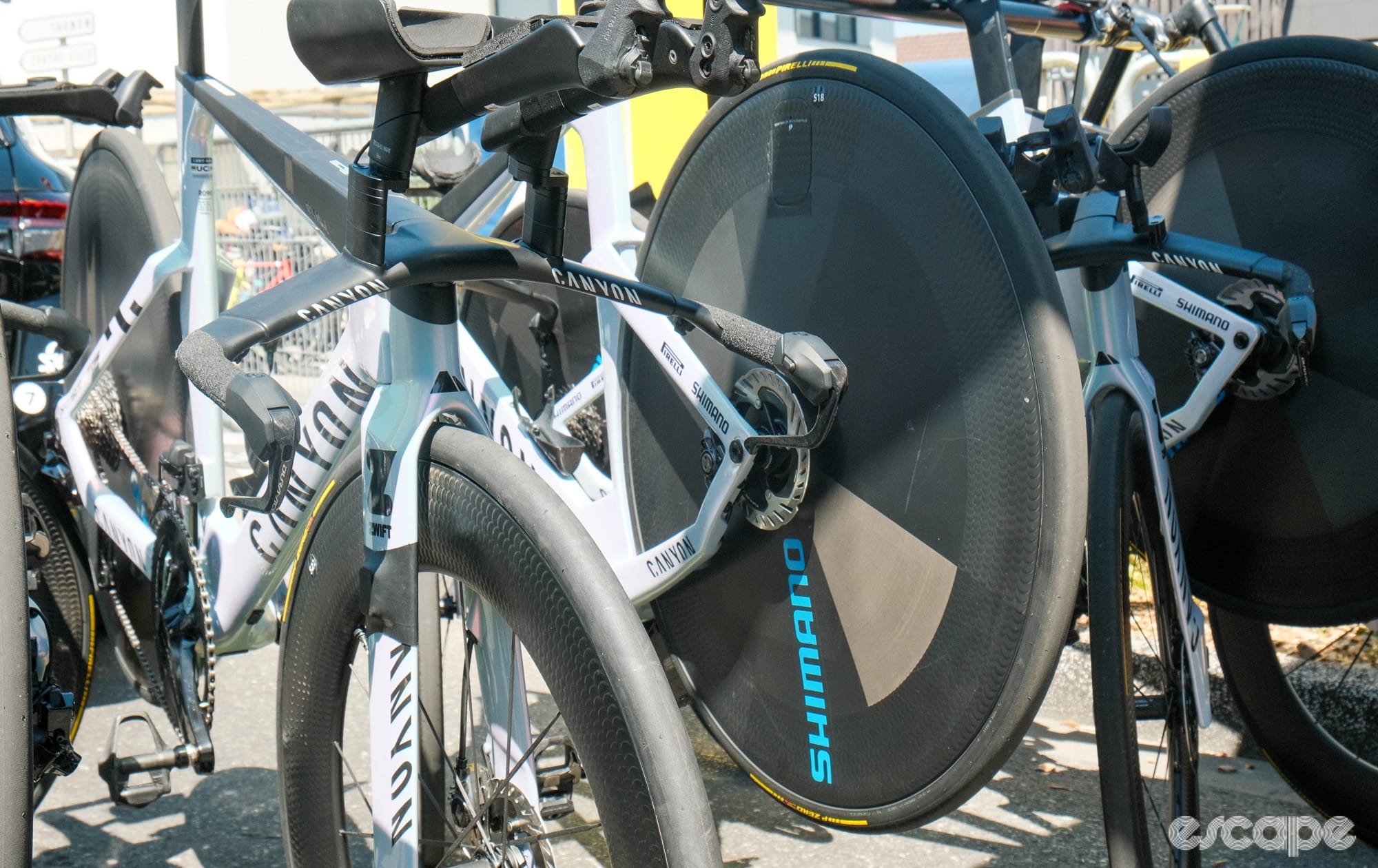
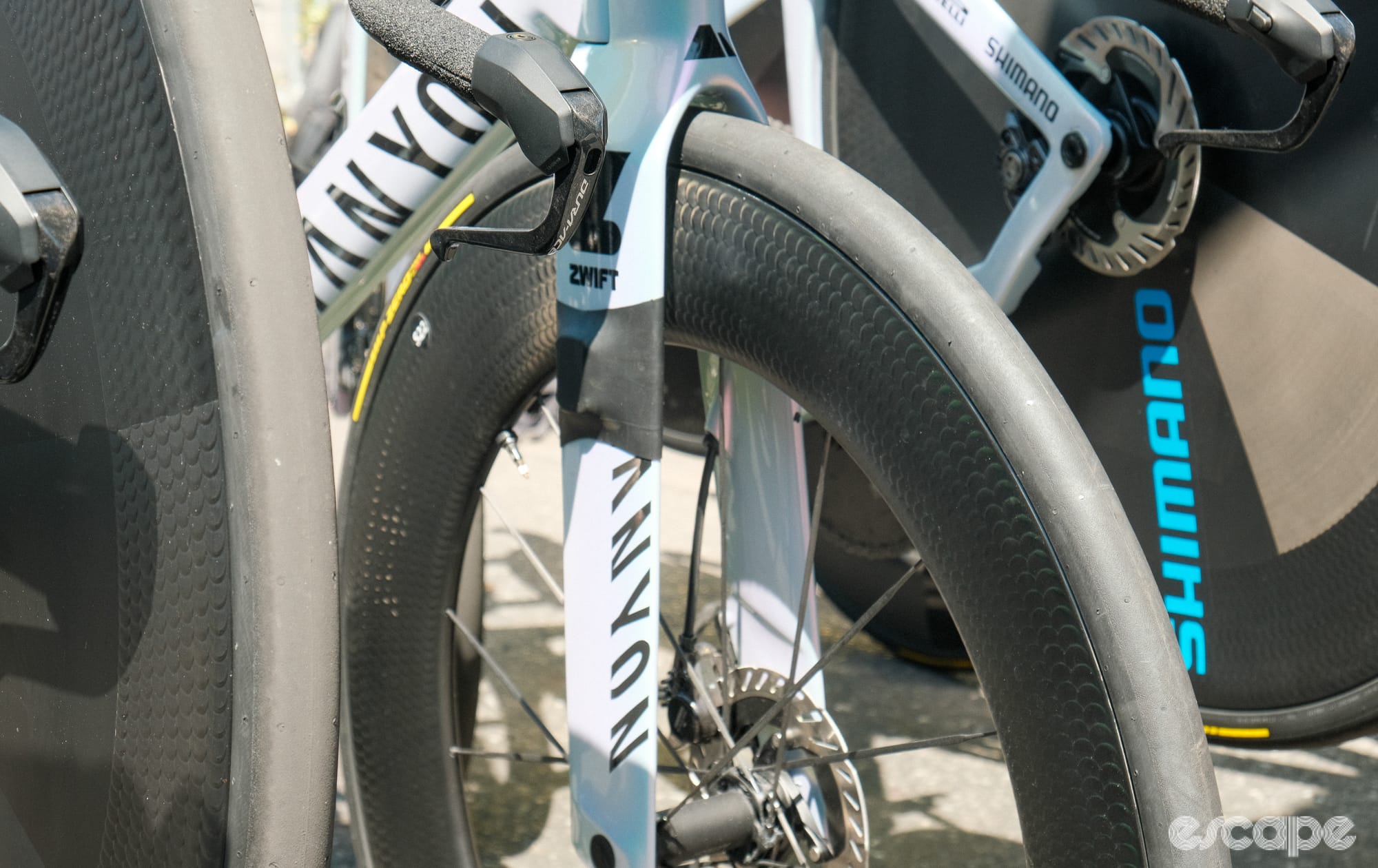
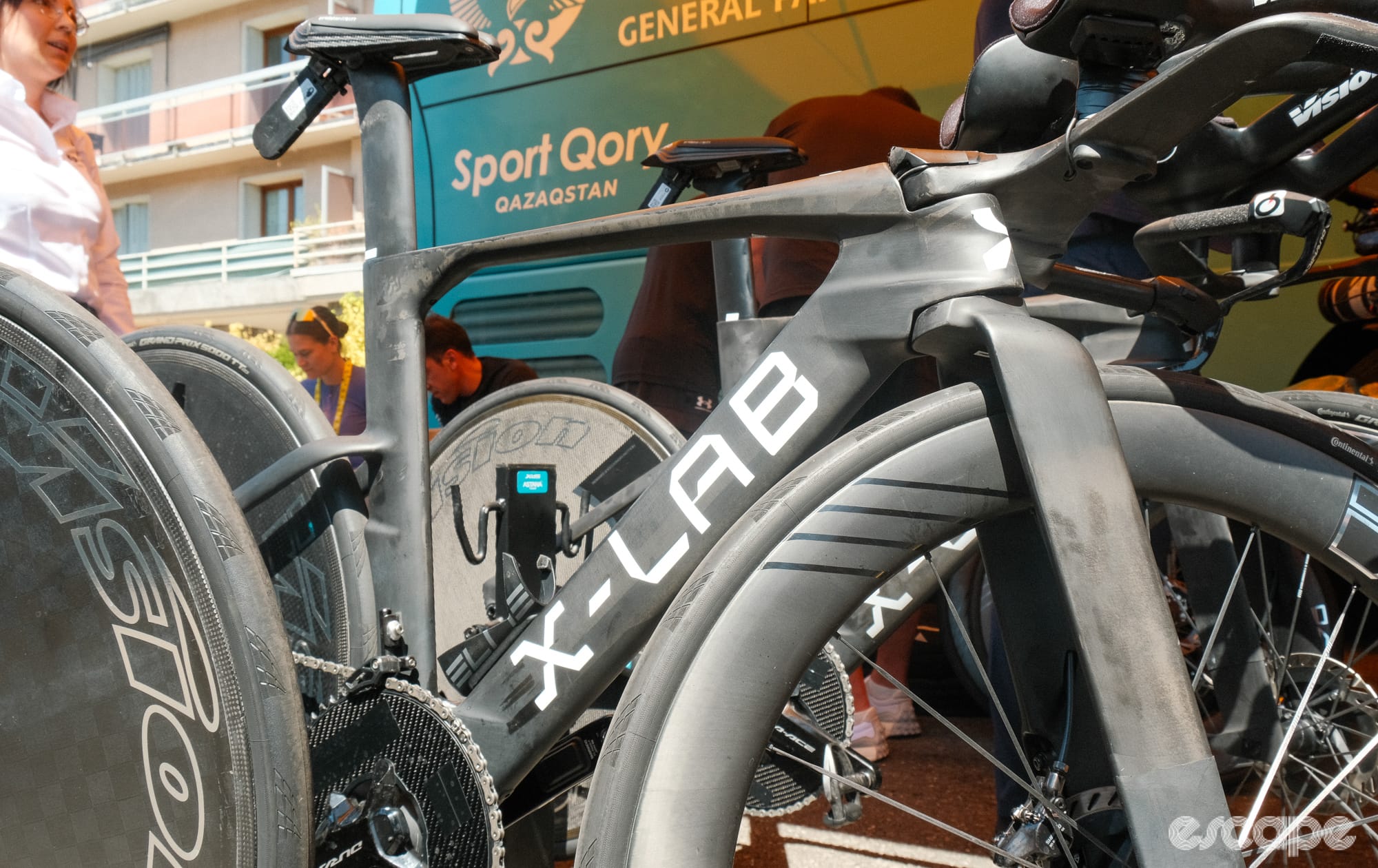
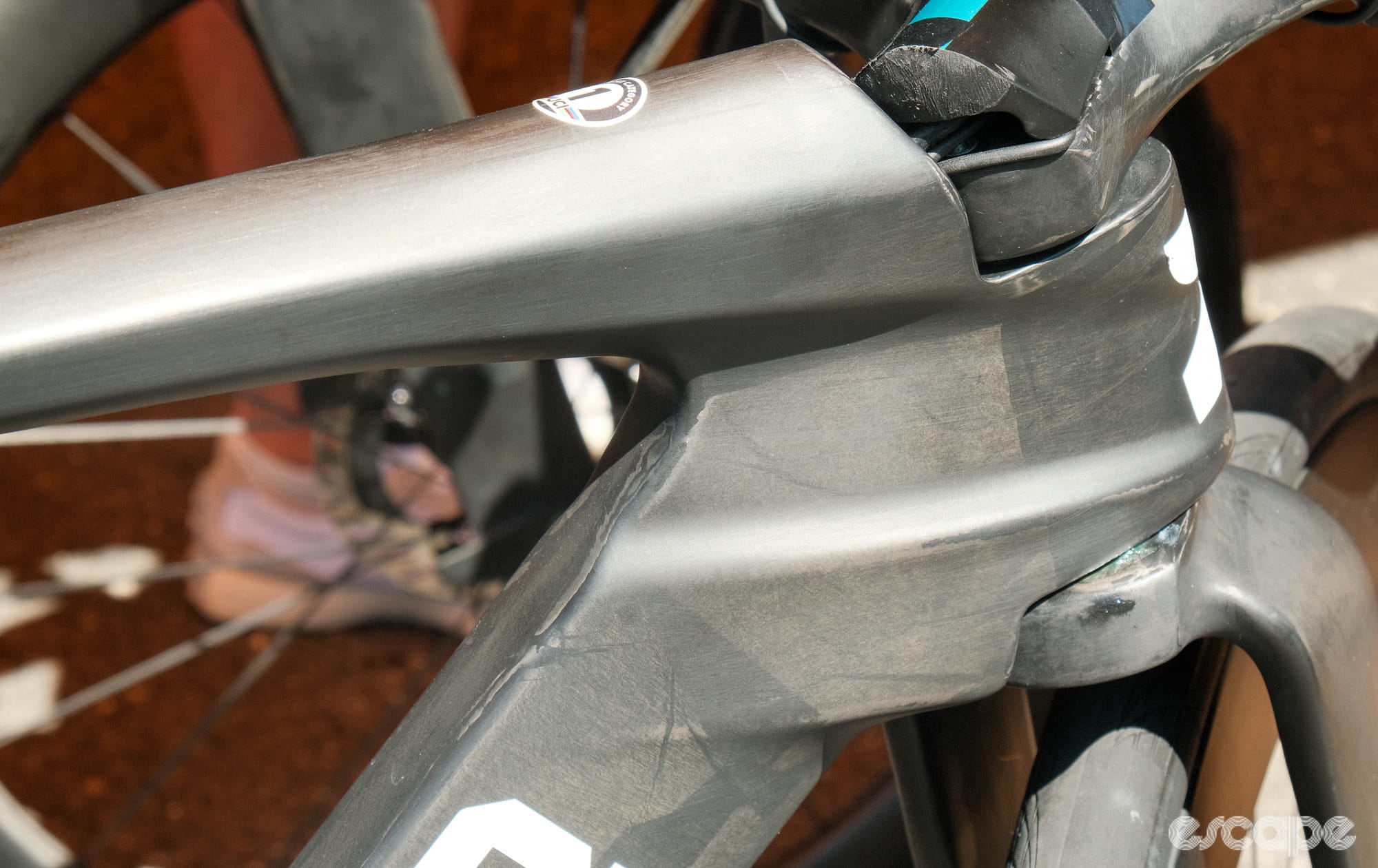
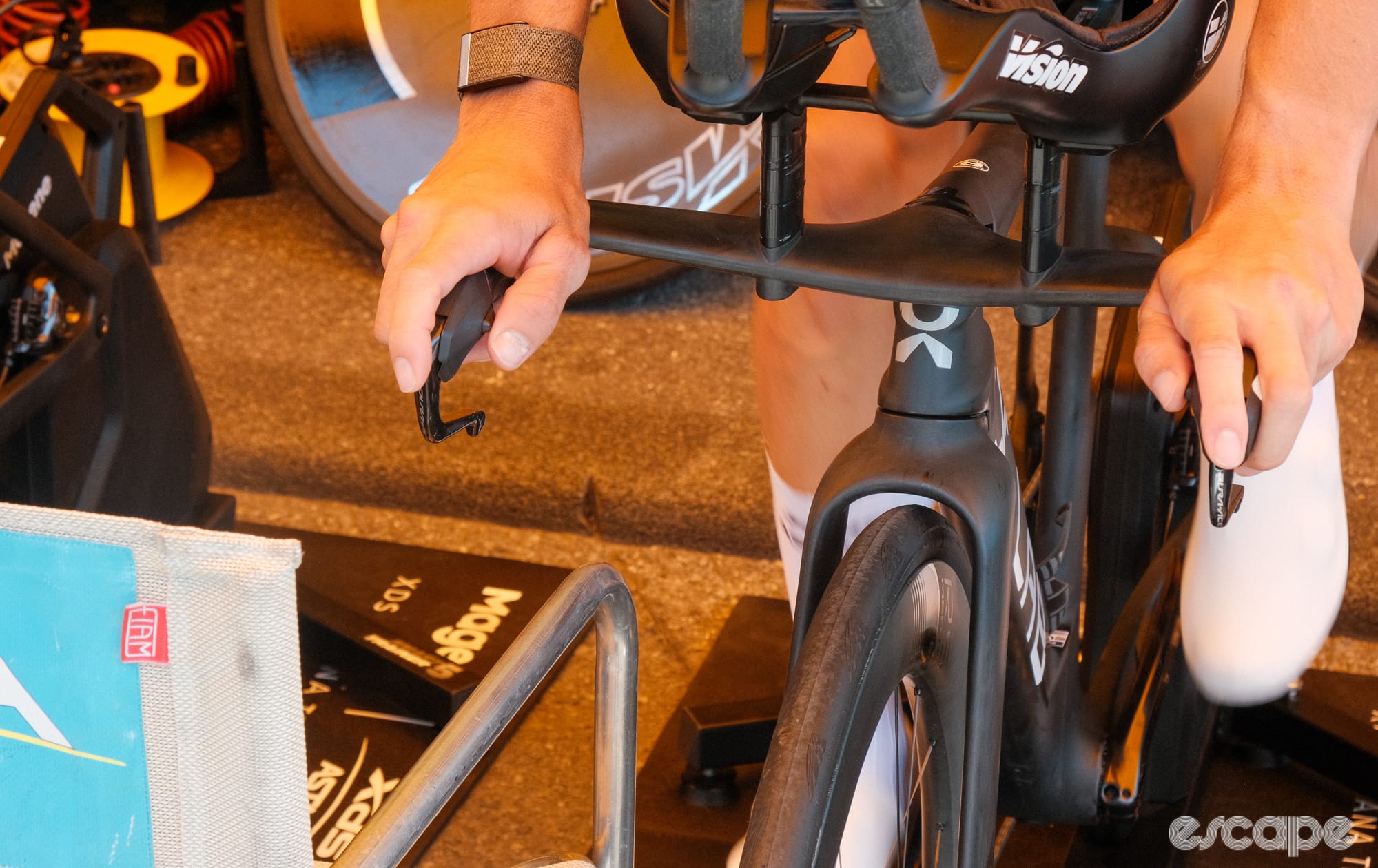
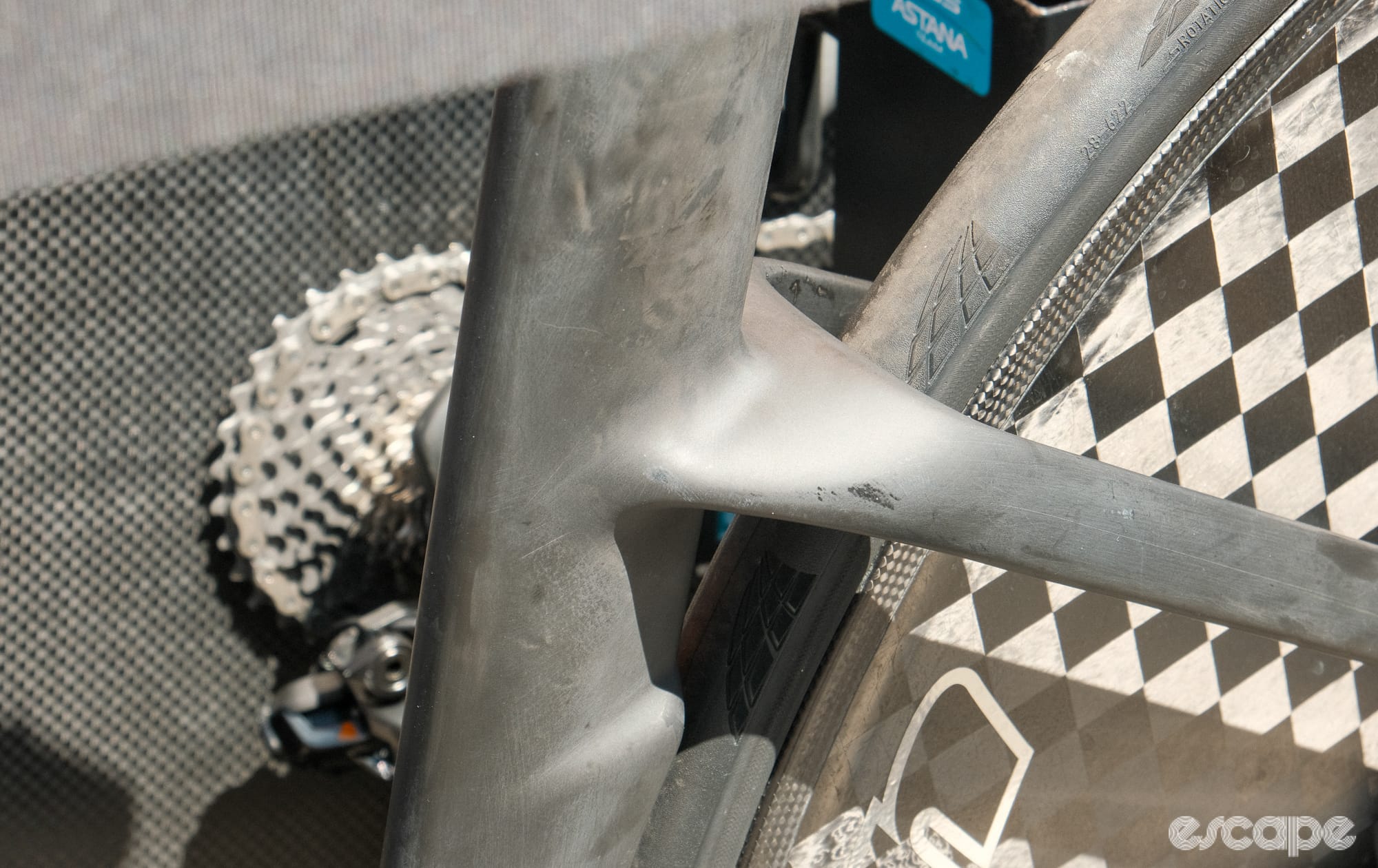
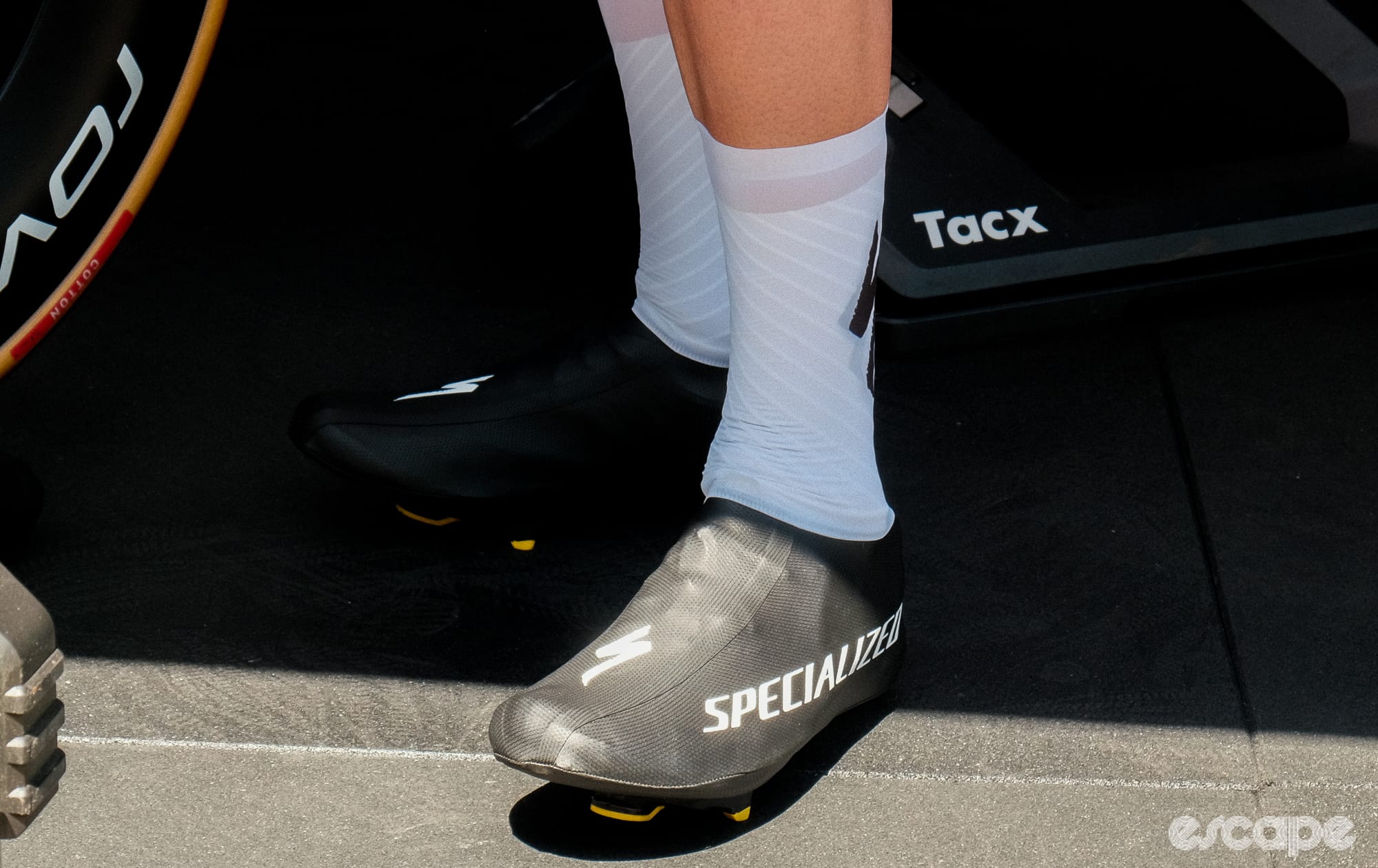
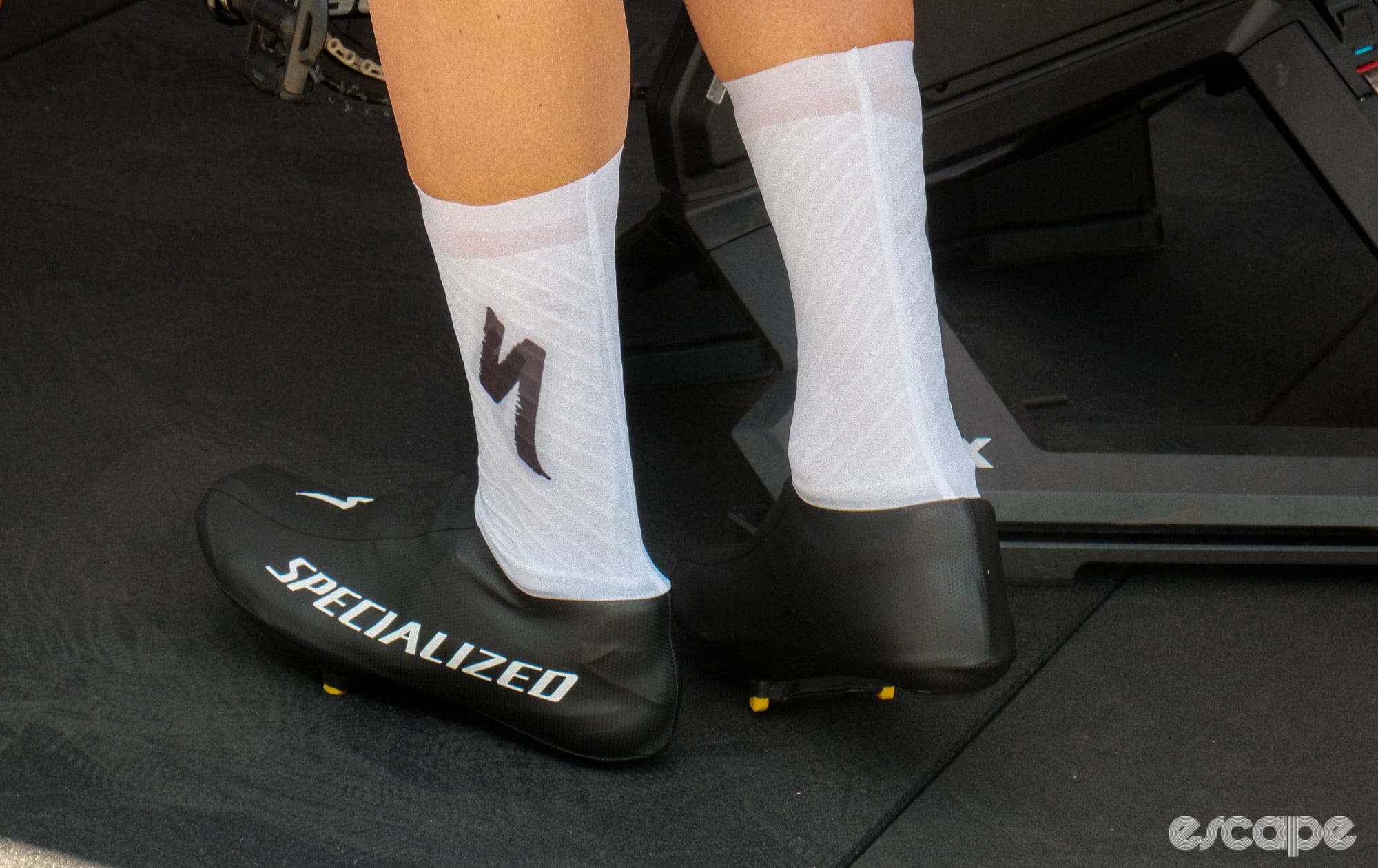
In a world dominated by Quarq, Shimano, some SRM and the odd Look power pedals, Bahrain Victorious had not just one but two power meter outliers. Each of their Bianchi TT bikes was fitted with these Elilee crank and EK01 spider-based power meters. But some riders are also running Favero's latest Pro RS-2 Shimano SPD-SL compatible power meter pedals, as seen here on Damiano Caruso's bike. The team announced a partnership with Elilee in January.Some riders are still on Shimano Dura-Ace pedals, making the Favero choice even more interesting. Red Bull-Bora-Hansgrohe had an interesting mix of extensions. Most riders are using Wattshop's Anemoi MK2 system, as seen here with Wattshop's angle-adjustable riser and spacer stack. Florian Lipowitz did, though, have the more premium, flashier, Wattshop Delta Extension System. The Delta offers a full customisable and much more integrated option, tailored to the individual. Remco Evenepoel, however, still has his own S-Works branded extensions that he once jokingly told me he made himself in his garden shed. That's not true.Stick to the plan. All the Decathlon-CMA CGM bikes turned up with these elastic bands around the extensions. Further enquiries with the team revealed they are used to prevent the padding from flying off when the bikes are transported on the roof of a car. Leap Component's base bar Aero Grips are everywhere on SRAM bikes, offering a much neater transition from brake lever to base bar and shifter button integration.Jayco-AlUla had a pleasantly surprising array of TT saddles on show. Some riders were on ISMs, the PN.03 on show here. Others ride this Giant-branded saddle with a cut out through the nose and a gripper texture at the front.While Ben O'Connor went with something entirely different in this Dash Stage 3. This mix of saddles is a really encouraging sign for me. The saddle is in my view the most important component in any aero setup, arguably the most powerful but also overlooked aero hack there is. The Groupama-FDJ United slushies are not the most appetising I've ever seen. Teams use carb-drink slushie mixes as an added cooling intervention, with the theory being that the icy drink requires a phase change in melting the frozen ice that better cools the core temperature than drinking a cold drink. That is a Scope AEA-Disc, not a Shimano disc as the branding suggests. While we'd seen some unreleased Shimano TT front wheels at the TTT in Barcelona, the Alpecin-Premier Tech squad all raced on the Scope Artech 8.T front wheel during the stage 16 TT. Whether that suggests the Scope is lighter than the unreleased Shimano, given the hilly nature of the individual time trial, or handles better given the technical nature of the second half of that TT, we could only speculate.I got a closer look at the X-Lab DB01 TT bike ridden by XDS-Astana ahead of stage 16. The team hasn't only ditched the paint job for this year's TT bikes to shed some grams; a staff member explained that X-Lab is also using a higher-grade carbon to further bring the weight down. That's interesting, but what really caught my eye was that the shaping and profiling, which is just exquisite in parts. The head tube features these veins that extend from the headset bearing seats through the length of the head tube.The fork has this pronounced shelf on the leading edge of the crown. And the seat stay to seat tube interface is equally-shelf-like.I've been wanting to get a closer look all season at the Specialized kit Red Bull riders are using, and it did not disappoint. Second-layer texturing on skinsuit sleeves is nothing new, but Specialized has adopted a similar concept with its overshoes. We can clearly see the ribbed structure on the socks beneath what appears to be an exceptionally lightweight fabric on the leg portion of the overshoe. It's the same so-called "dual layer" concept we see so much on skinsuit sleeves, with the modularity this approach of separating the aero-textured sock from the overshoe fabric likely allows Red Bull to tailor the ribbing to each individual rider and predicted speeds for a given day. Different rib spacings and heights will perform better or worse at different speeds. Generally speaking, wider and taller ribs work better at lower speeds, and vice versa. But there's also an individuality to this effect, with different spacings and structures working better or worse for some riders based on the shape and curvature of their leg.The shoe section of the overshoe features a more typical PU material we often see in overshoes, but in some shots, such as this one, it appears to have a coarser finish, while in others it seems smoother. I didn't get a better look for myself, so can't be sure, but what is clear is the pronounced seam running the length of the shoe around where the laces would sit under. I suspect that seam height and placement are quite intentional and likely act as a trip of sorts intended to keep the flow attached for longer. Shoe aerodynamics are both massively untapped as yet and notoriously difficult to tackle, but based on my own testing that showed a whopping 6 watts from one pair to another, there's huge potential in the area. Red Bull have these team kit matching ice vests. Neat, but more interestingly.... The team is clearly adopting the modular aero layer approach I described in the overshoes above. Nico Denz unintentionally gave us this perfect shot of the outer skinsuit material and aero base layer underneath as he got ready for his warm-up. The skinsuit outer layer looks similar to that on the upper section of the overshoes, but note the spacing between the ribs.