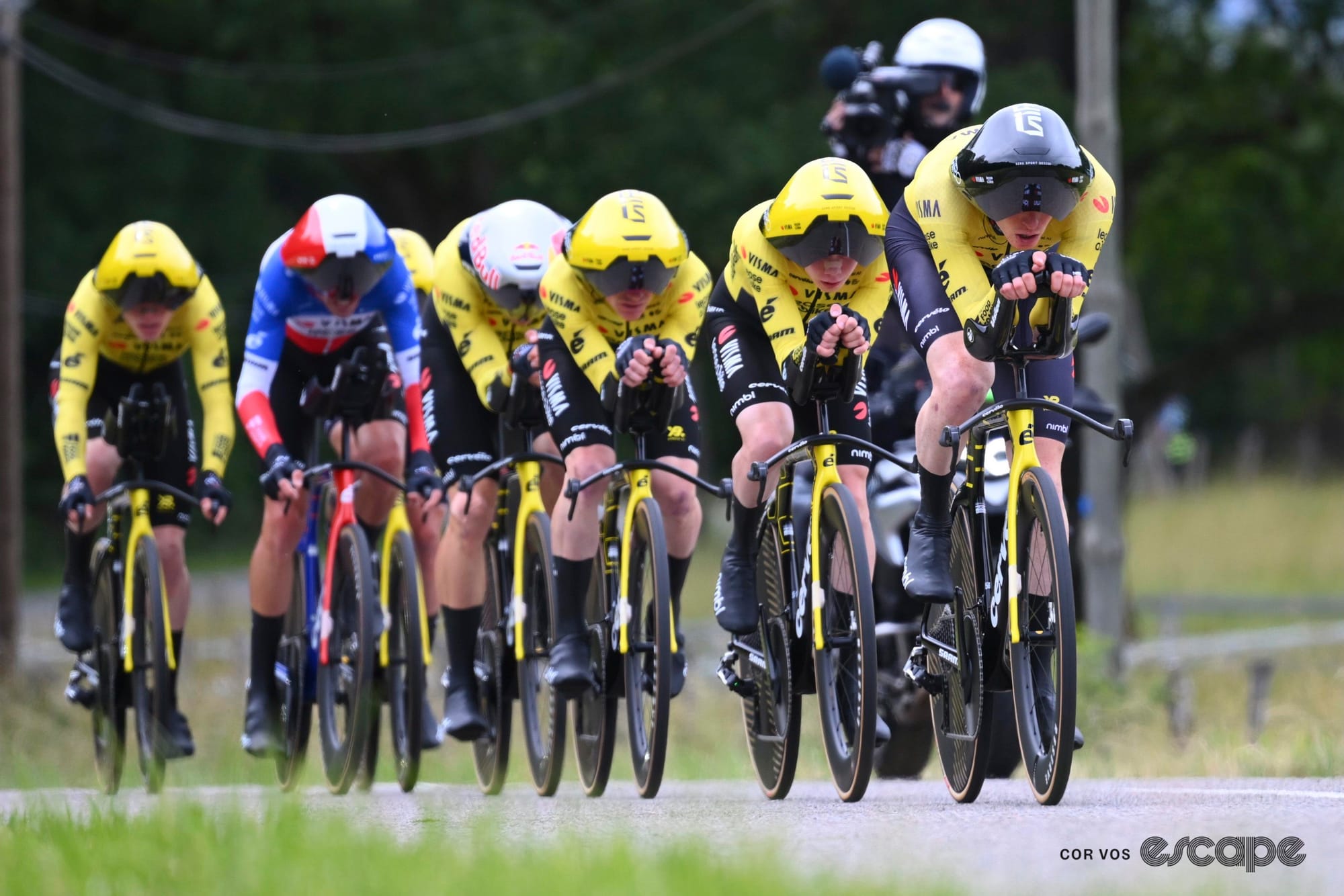

I’m not a subscriber to the notion that we’ve reached “peak aero.” We may well be approaching the limits of what is possible under our current understanding of cycling aerodynamics, but I suspect the next decade will be defined less by finding another watt through isolated A/B testing and binary "faster or slower" answers, and more by a deeper understanding of system interaction effects and environmental influences. As that understanding grows, aero development will shift from simply asking "is this faster?" to understanding why. It’s that understanding that will unlock new opportunities we can’t even dream of now.
That said, you could be forgiven for thinking we’ve maxed out what we can do with aero bikes. There are notable exceptions, but practically every new bike launch is a mild iterative update on the previous generation, wattage-saving claims are increasingly marginal, and brands repeatedly tell us that their bikes already test well, offering little room for improvement. That's perhaps no surprise given that the generally accepted idea that, in the 80:20 split between rider and bike drag, the frame itself accounts for only around 5% of the total aero drag in the system.
If all that’s true (and the UCI weight limits stick at 6.8 kg), I might well be left with egg on my face having to accept that we don’t need dedicated aero and climbing bikes, that in fact “one bike can rule them all.”
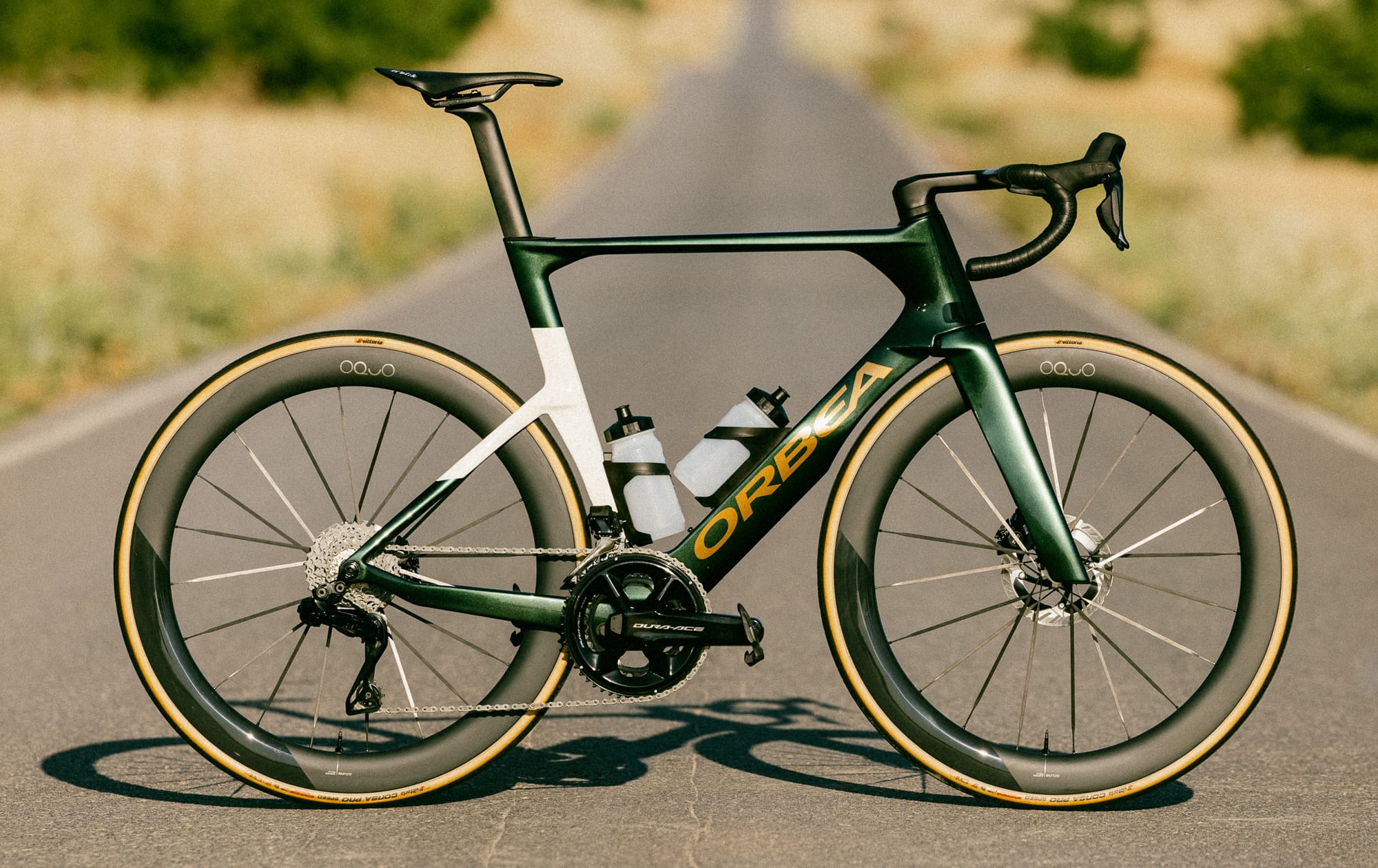
That would be great news to some brands, namely Cannondale, Specialized and Trek, to name but a few. But of all the brands intentionally killing off their dedicated aero or climbing bikes in favour of a do-it-all offering, Orbea is not one of them. It has the Orca climbing bike, and today it is unveiling its new Orca Aero dedicated aero platform. That said, Orbea might just have unintentionally killed off its climbing bike.
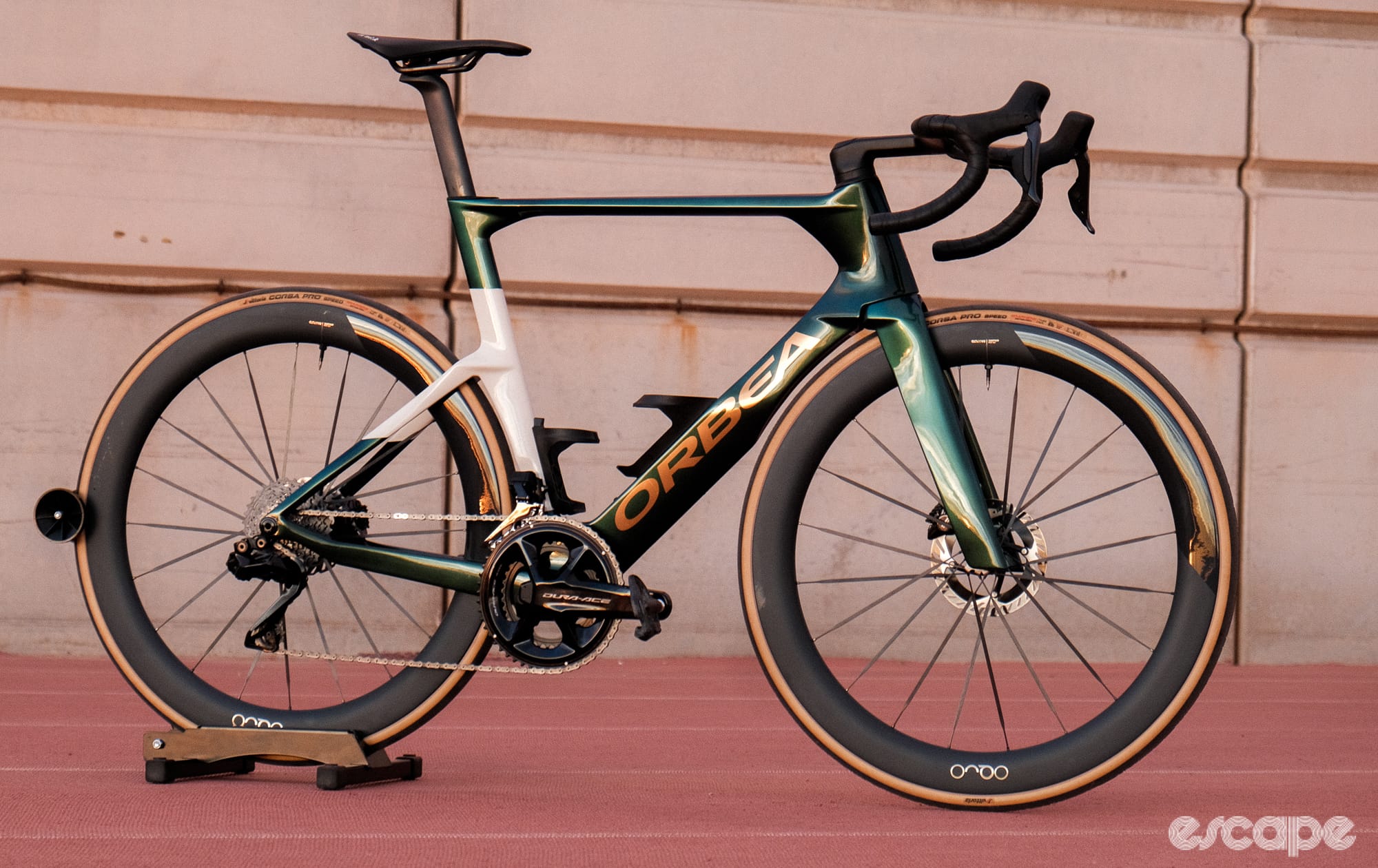
Orbea claims the new frame updates save 5.1 watts at 50 km/h over the current Orca Aero, while the upgraded tyre clearance adds another 6-7 watts, and the revised geometry and resulting rider position deliver a much larger 14-watt gain. The headline change is now a “lowest in class” 78 mm bottom bracket drop, designed to improve rider stability and enable a faster riding position. Other key updates include integrated bottle cages, reduced frontal profile, clearance for 37 mm tyres, and a lighter frame.
All told, Orbea claims the new Orca Aero is a remarkable 21 watts faster than the outgoing Orca Aero. While the company didn't provide a direct aerodynamic comparison with the standard Orca climbing bike, the new aero bike weighs a claimed 7.01 kg in a size 55 cm, complete with bottle cages and a power meter (but without pedals). At that close to the UCI weight limit and with its improved aerodynamics, it's difficult to see why the WorldTour riders on the Orbea-sponsored Lotto-Intermarché team would ever opt for the round-tubed Orca over the new Orca Aero.
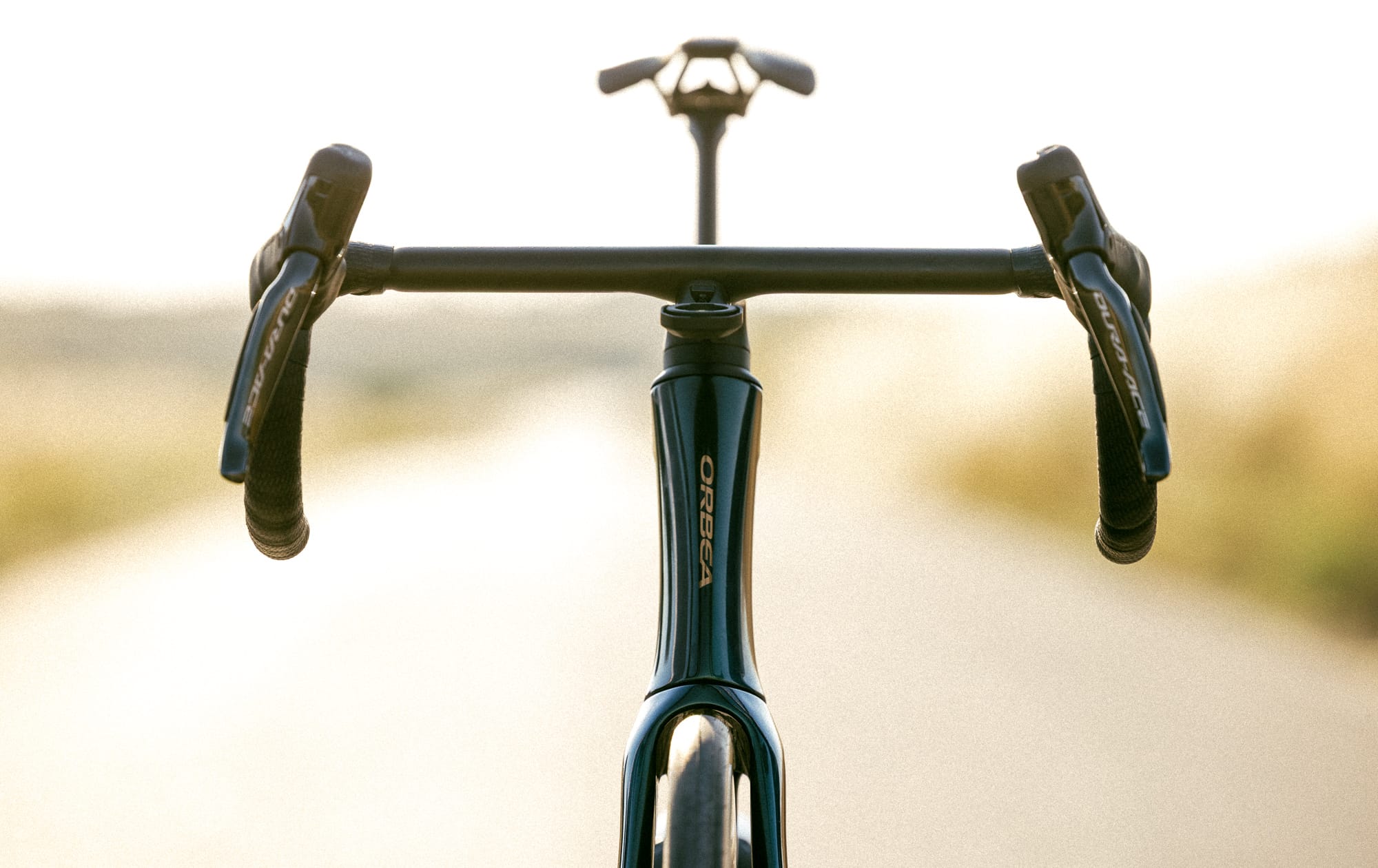
Design philosophy
Unsurprisingly, Orbea kicked off the presentation with details and data on how racing is changing, how it’s getting faster, and why that means aero is more important than ever. While the brand was at pains to point out that it still believes in the dedicated climbing and aero bike philosophy, it was also clear that an aero bike alone is not enough. In Orbea’s words, “aero bike” does not equal an “aero and efficient bike,” and it’s this efficiency component that it says is crucial.
This means a “total system approach” that tackles the entire bike-and-rider system and accounts for external factors in real-world environments. In Orbea’s words, “the fastest frame was not the goal, the fastest system is." That sounds rather familiar to Specialized’s focus on “time to finish” with the Tarmac SL9 launch earlier this week. And, actually, the SL8, and SL7 before that, too.
 Ronan Mc Laughlin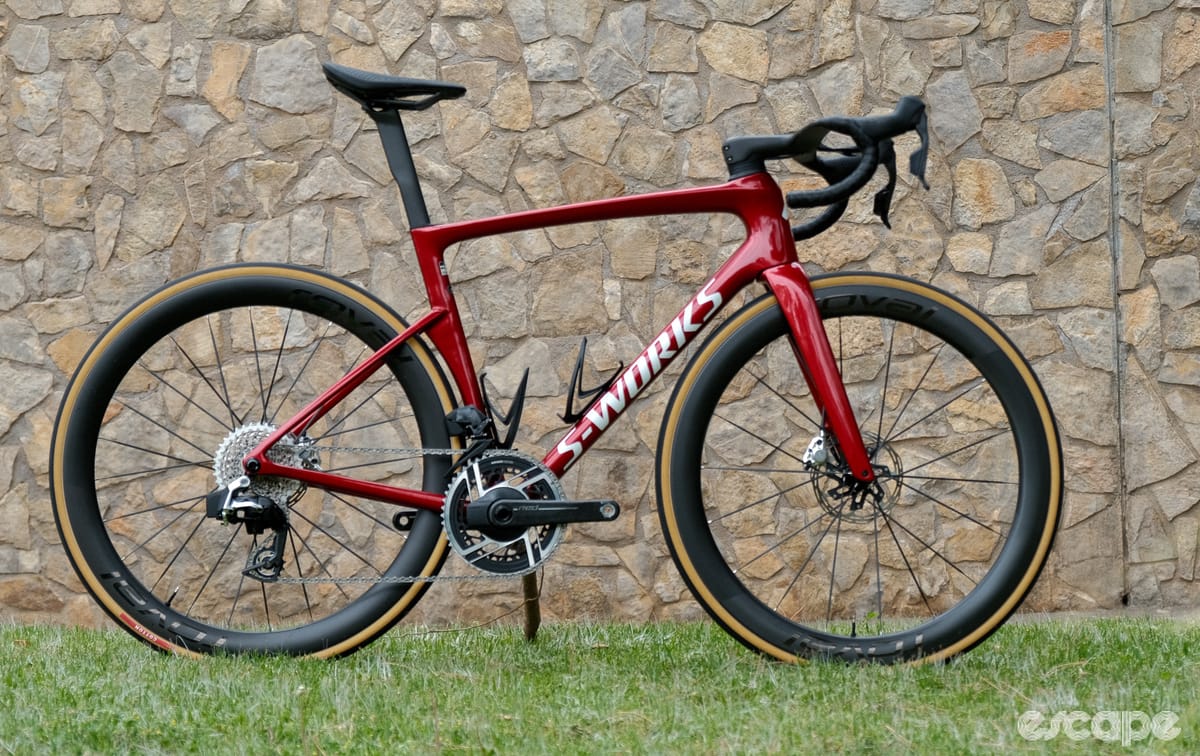
Cannondale has also said similar things. And come to think of it, so did Trek, as did Look just this week with its new 795 Blade. But while the focus might be similar, the path taken by Orbea is at least a little different.
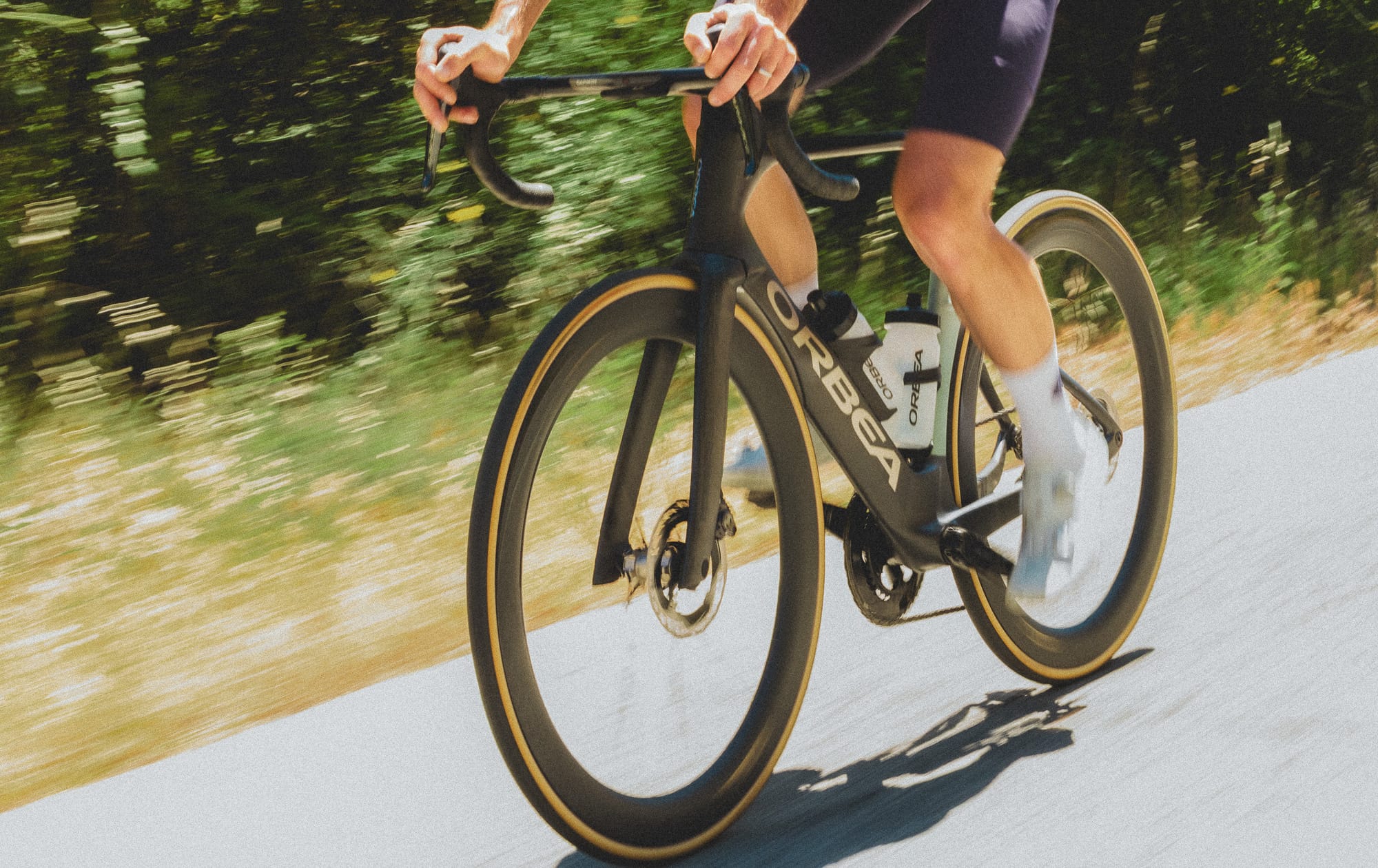
While Specialized developed the SL9 with rider/bike interactions in mind, it left the rider relatively untouched. Orbea claims the biggest gains come from tackling rider position. It was at this point I started getting excited, but more on this in a bit.
Did we do a good job with this story?