
What makes a good race bike? Is it low weight? Slippy aerodynamics? Handling and ride characteristics? How about stiffness and/or compliance? Or is it geometry? The truth, as we all know, is that it’s all of those. No single metric or feature can make a bike the perfect race bike; rather, it is a balance of everything. But how to strike that balance, and which features and characteristics to lean into, is a point of much debate.
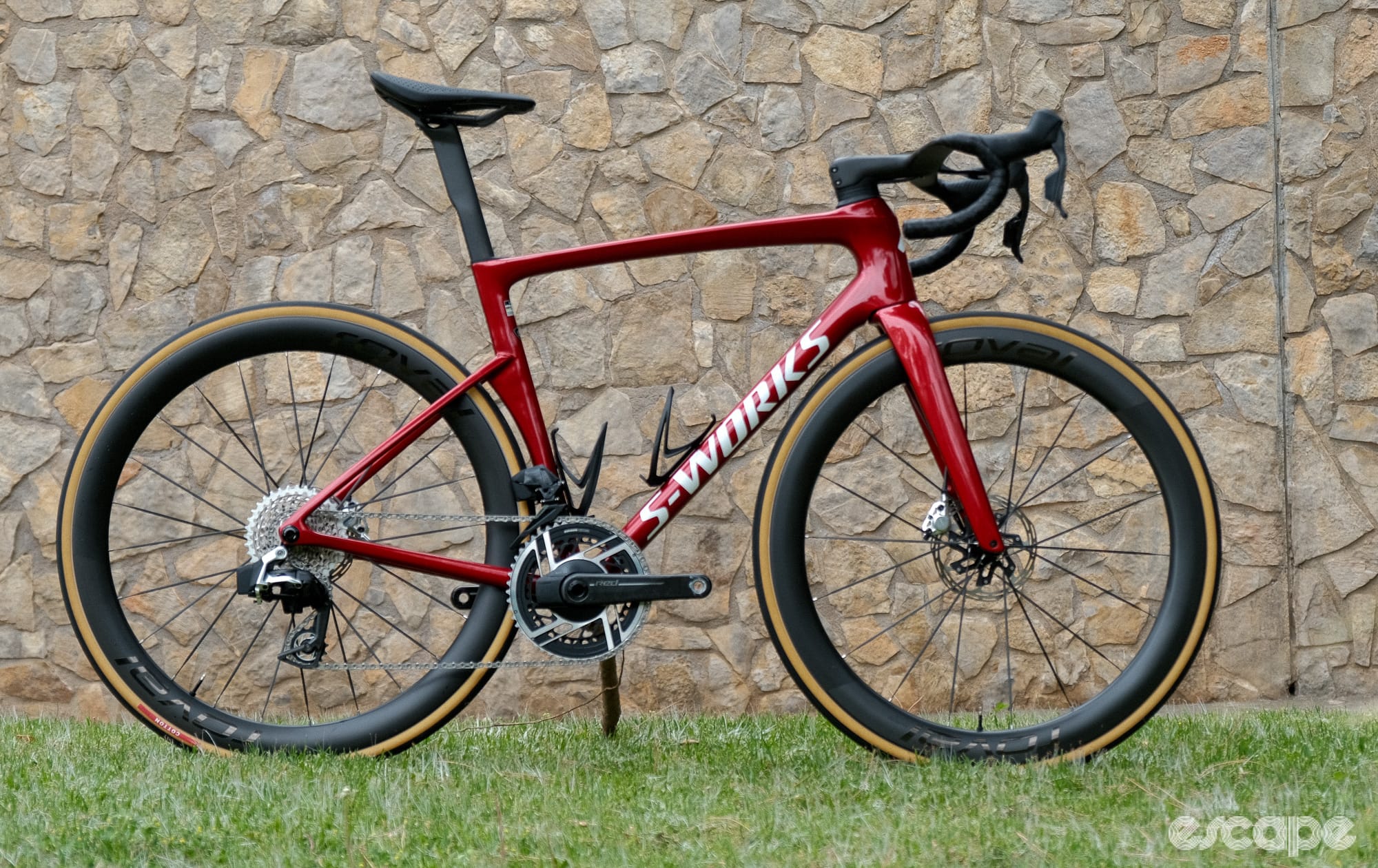
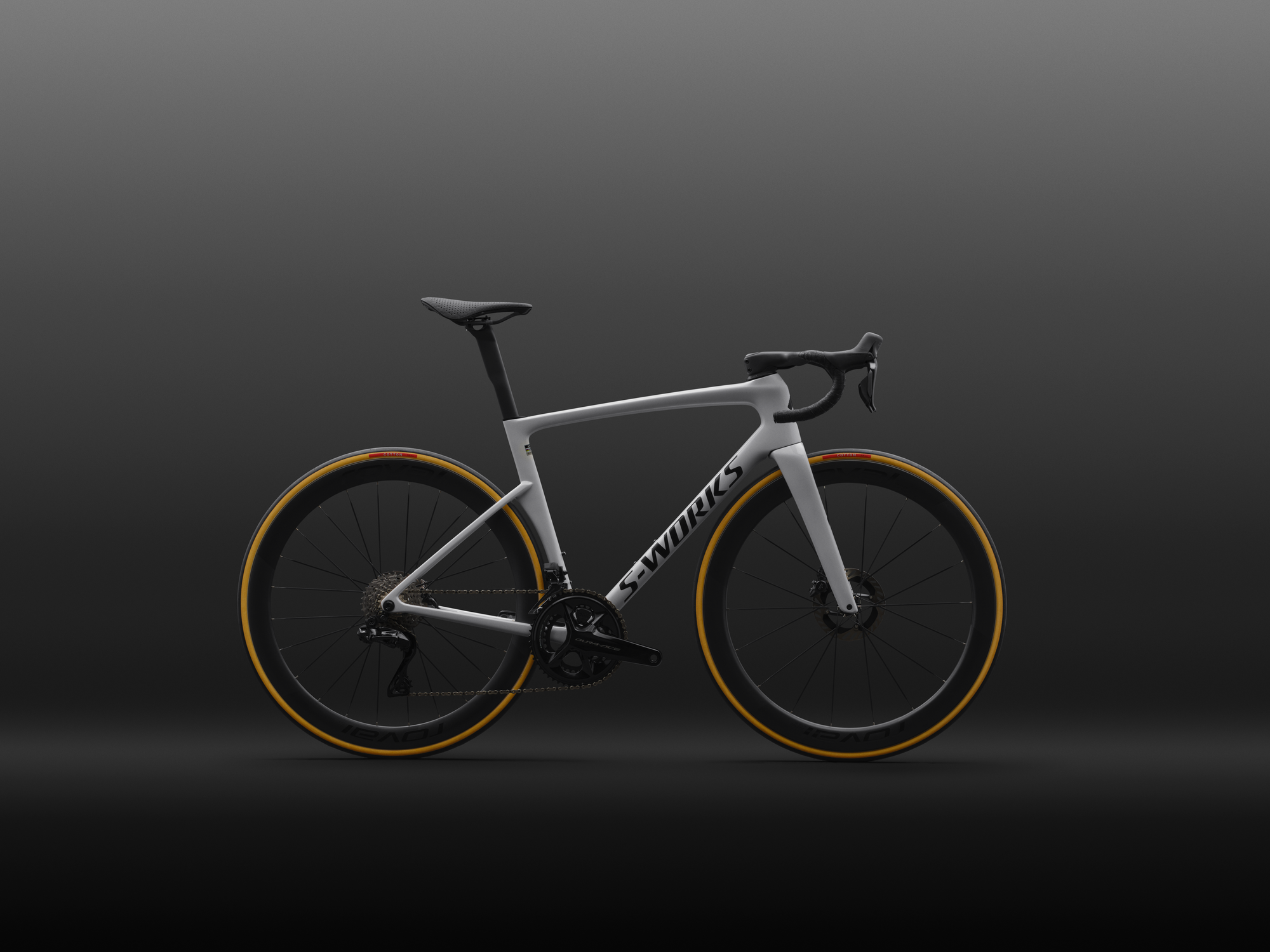
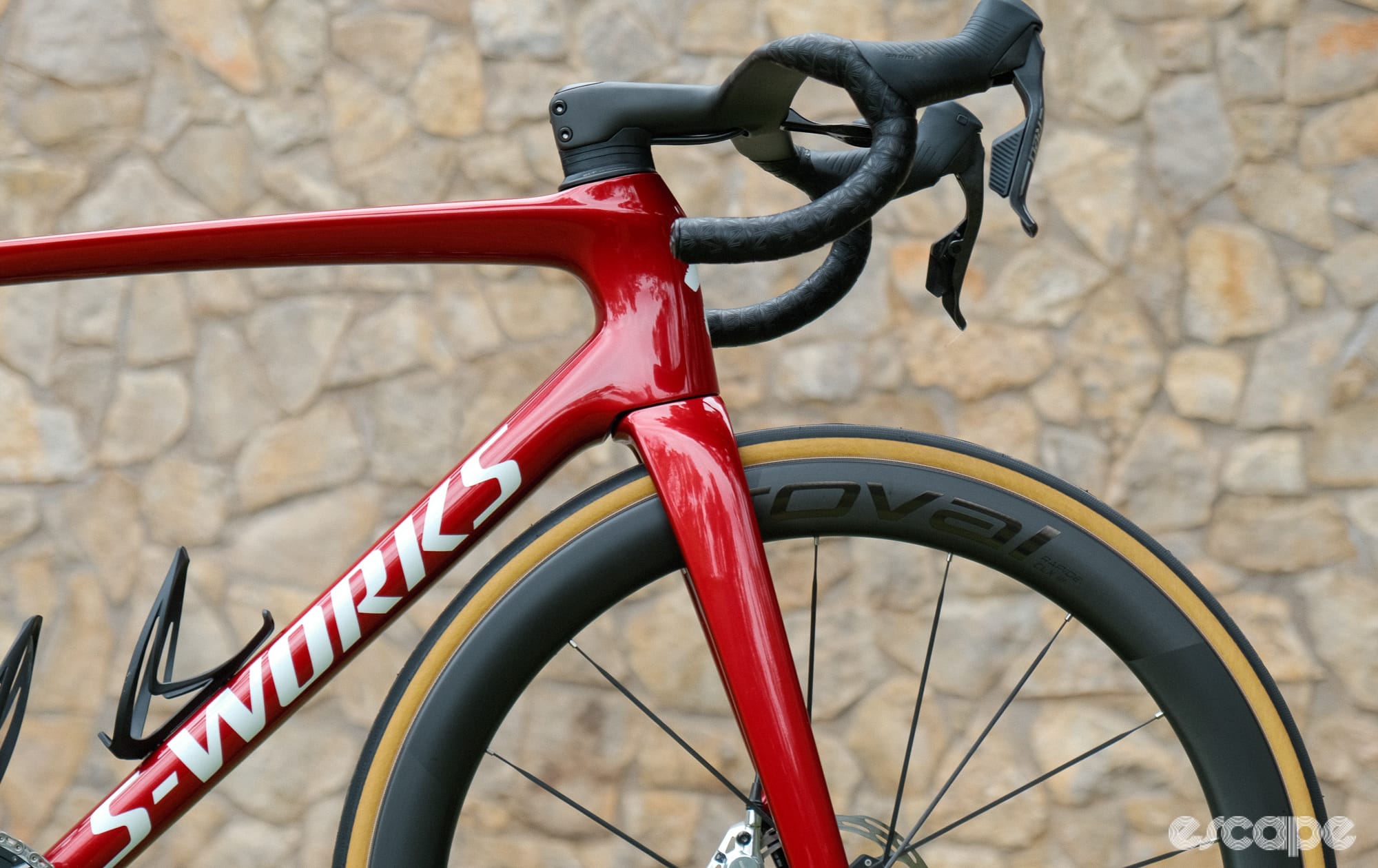
Today Specialized is unveiling the Tarmac SL9. Specialized says it’s the fastest road bike it's ever made, not because it’s the lightest, most aero, or best handling, but because the balance it strikes delivers the “lowest real-world time to finish,” as it continues the development focus it had with the SL8 three years ago.
The headline updates are a 4-watt saving versus the Tarmac SL8 at 45 km/h in Specialized’s wind tunnel, a 687 g claimed frame weight (2 g more than the Tarmac SL8), and as low as 6.5 kg claimed complete build weights. Tyre clearance is unchanged at 32 mm (with the ISO 4 mm clearance), conservative-by-today's-standards, and there’s now a UDH dropout. Nevertheless, Specialized has ignored the cries for a new Venge and instead opted for a subtle tweak to the tried, trusted, and tested Tarmac recipe.
As an example of that, the geometry is pretty much a carryover from the SL8, except for the 54 cm size, which offers a little more toe clearance. It looks like a Tarmac, rides like a Tarmac, and no doubt will sell like the Tarmac always does.
The question is whether that safe, balanced Tarmac recipe is enough of an update in 2026 as other brands are pushing bolder updates around progressive rider positions. Specialized itself cited the increased speed of modern WorldTour racing in the media presentation for the new Tarmac SL9 I attended last month.
 Ronan Mc Laughlin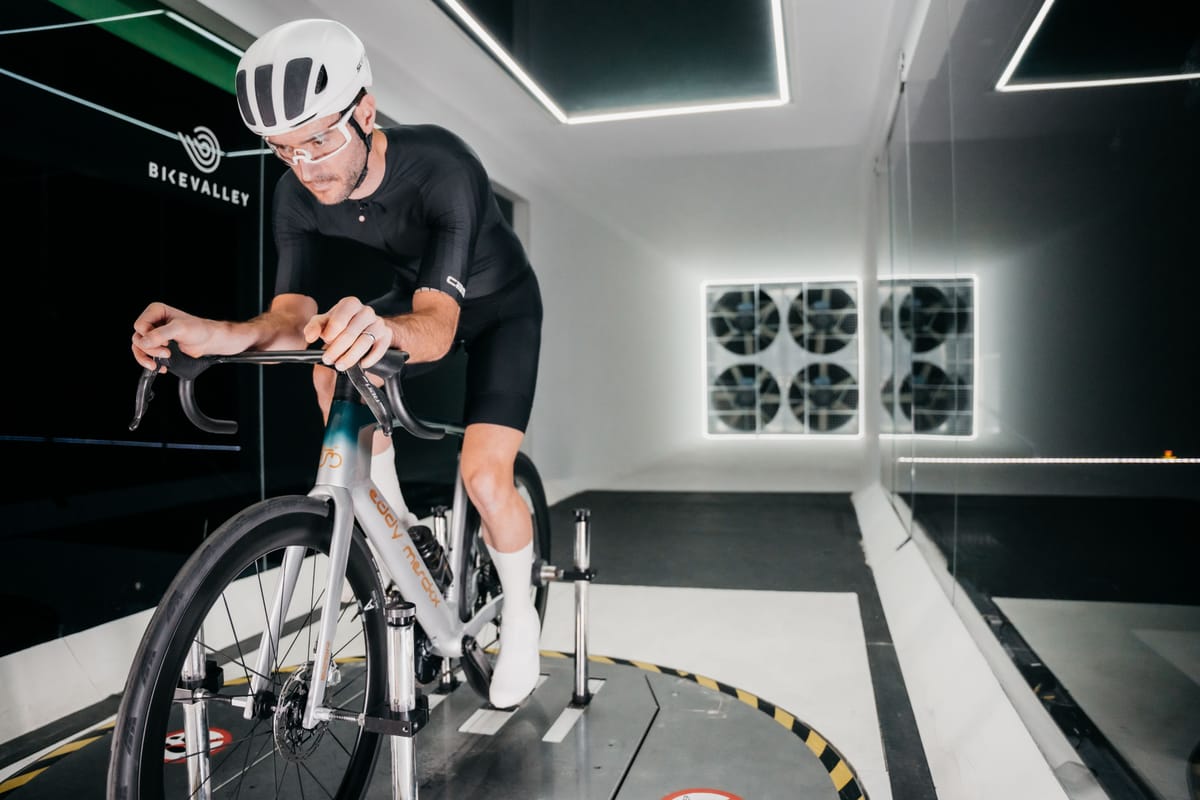
It said that if the goal is to win races, “no road bike gets you there faster,” citing competitor comparison testing it had done with the Cervelo S5, Canyon Aeroad, and Factor One. That testing raises many interesting questions, but the bigger question for me is not whether SL9 is faster than everything else; it is whether it is as fast as it could be. Conversely, given that many Tarmac riders never intend to race but rather just want a good bike, is it still as fun to ride as the Tarmac has always been?
Design philosophy
Rather than optimise the Tarmac SL9 around individual metrics such as weight, stiffness or aerodynamics, Specialized says it instead optimised for what it calls "time to finish." Core to that is its "Equation of Speed," a physics-based model that predicts how long it should take a rider to complete a given course.
According to Specialized, the model combines rider and bike characteristics with course and environmental data to estimate overall performance, allowing engineers to evaluate the effect of changes in aerodynamics, weight and rolling resistance in terms of time gained or lost over an entire race rather than measuring each in isolation.
The company also shared more detail than most manufacturers on how it models real-world yaw angles, generating thousands of simulated rides from distributions of rider speed, wind speed and wind direction to produce representative aerodynamic weightings. The SL9 white paper also details the variables included in the model, from rider power, weight, and CdA to rolling resistance, drivetrain efficiency, terrain, wind speed and direction.
It's a hefty explanation of the methodology and the approach makes sense on paper; riders win races by crossing the finish line first, not having the best aerodynamics or lowest rolling resistance in isolation. But for me the question is how representative of reality is the model; as the saying goes, “all models are wrong, some are useful.” While Specialized has explained the principles and data inputs behind the approach, it hasn't published the underlying equations or validation.
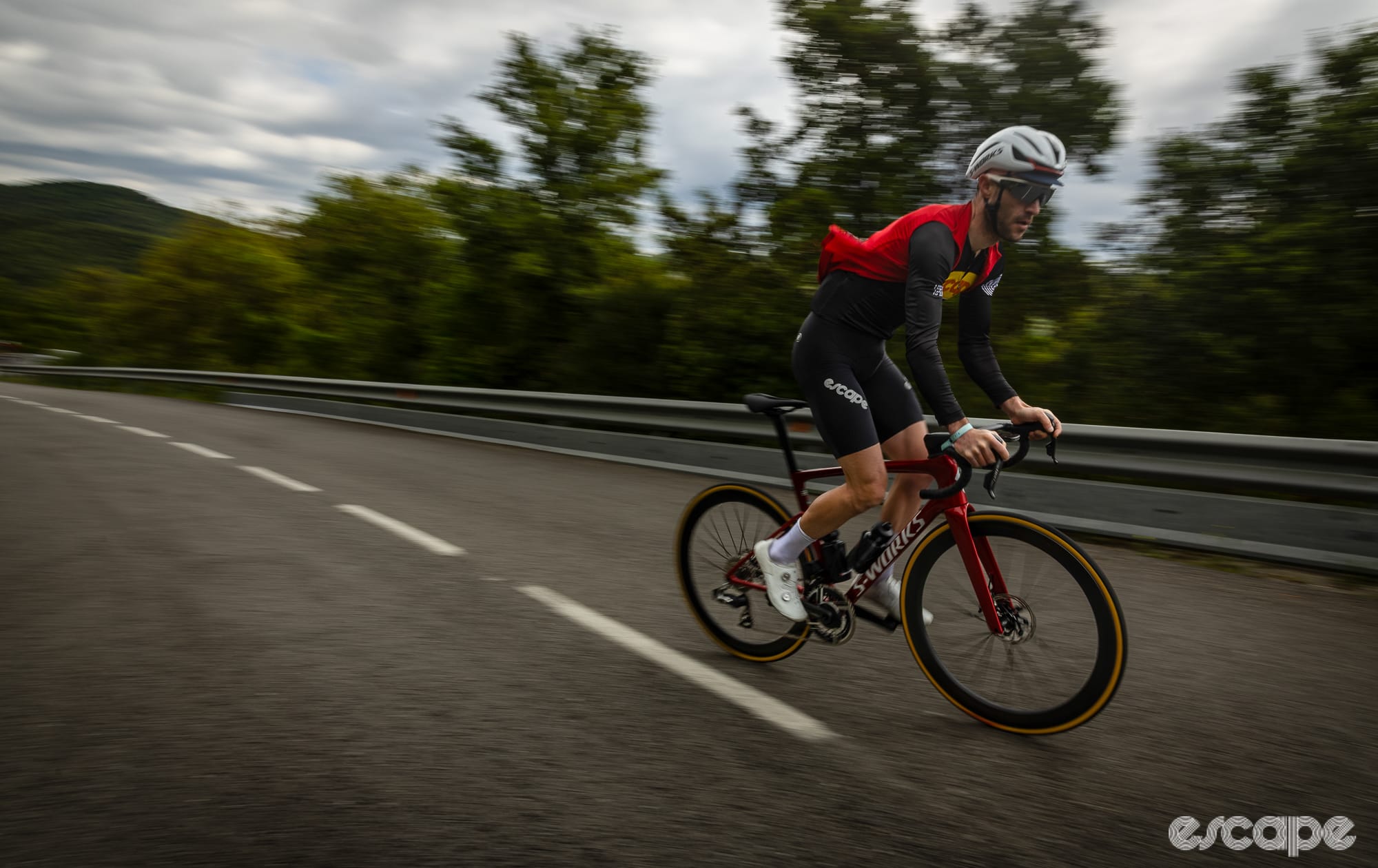
For the Tarmac SL9, Specialized's modelling focus meant benchmarking performance against the demands of select WorldTour stages and Monuments, as well as competitor bikes.
Did we do a good job with this story?