

Gravel is confusing! Not just in the multitude of different surfaces, and terrains that fall under the “gravel” umbrella, but increasingly in what constitutes the optimal setup for gravel racing such as Unbound and The Traka.
Both speeds and tyre sizes have ballooned in recent years as the discipline has become hyper-competitive. The result is a segment that has transformed from the early days of “every bike is a gravel bike,” and versatile offerings designed to blend road and off-road riding, to a myriad of options within an increasingly fragmented discipline. On the racing side, that means an influx of hyper-specific race-focused bikes with greater tyre clearance and aero features galore.
The original Wilier Rave SLR fit more in the "every bike is a gravel bike" camp, and made all sorts of promises when it was originally unveiled in 2021. It was a gravel race bike, but was also offered in an all-road configuration. Wilier may have seen it as a jack of all trades, but I found it simply flattered to deceive.
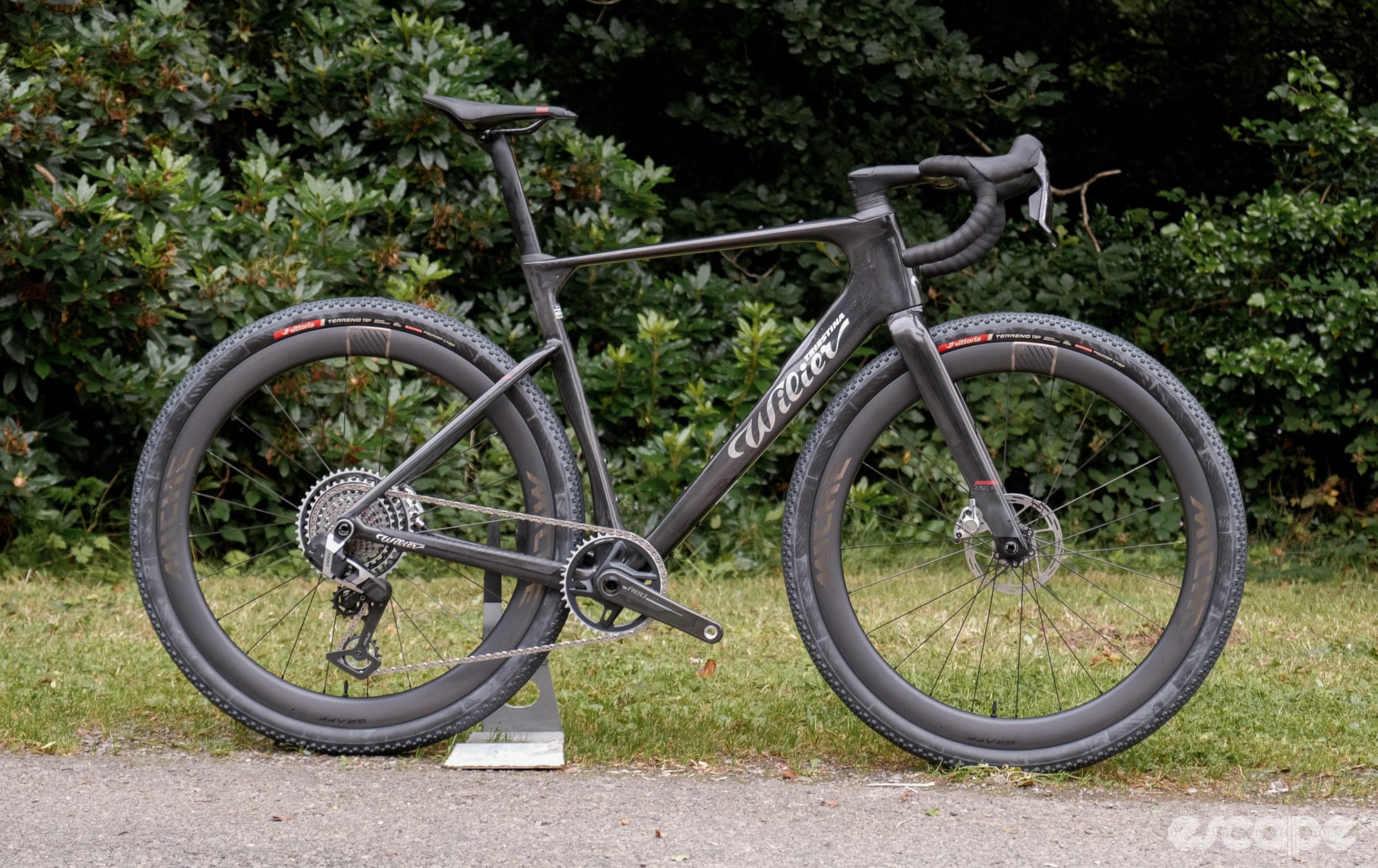
Now Wilier has a new Rave, the SLR ID2. Unveiled in summer 2025, Wilier has ditched the “one frame, two configurations” philosophy, instead going all-in on racing with practically all the features modern gravel racers demand. It’s now much more overtly aero, offers 53 mm of tyre clearance, has a new handlebar, clears a 50-tooth chainring, and the geometry has had a minor overhaul.
Pros: A clear focus on aerodynamics, more tyre clearance, surprisingly good ride quality.
Cons: Wonky cockpit, conservative geometry updates don't work for progressive fits, handling will vary across size range.
Pricing: Starting from US$5,200 / €4,400 / £4,150 / AU$6,300
($11,700 / €9,900 / £8,900 as tested with SRAM Red AXS XPLR)
NOTE: Not all builds available in all markets
Wilier.com
The Rave also now borrows design cues from Wilier’s road range – including the Supersonica TT bike – with aero profiles throughout and comes stock with 48 mm deep rims. It’s the epitome of a 2026 gravel race bike designed for thrashing dirt roads at bonkers speeds. A cynic might say it’s a meme bike, but on paper its designed to give the customer/rider what they want.
But the question is: at what cost? It’s the sum of these parts, not simply their inclusion, that matters. Can we simply take road aero, add tyre clearance, and call it done? Or are there unintended consequences in doing so? I spent a few months with the new Rave SLR ID2 to find out.
What’s new
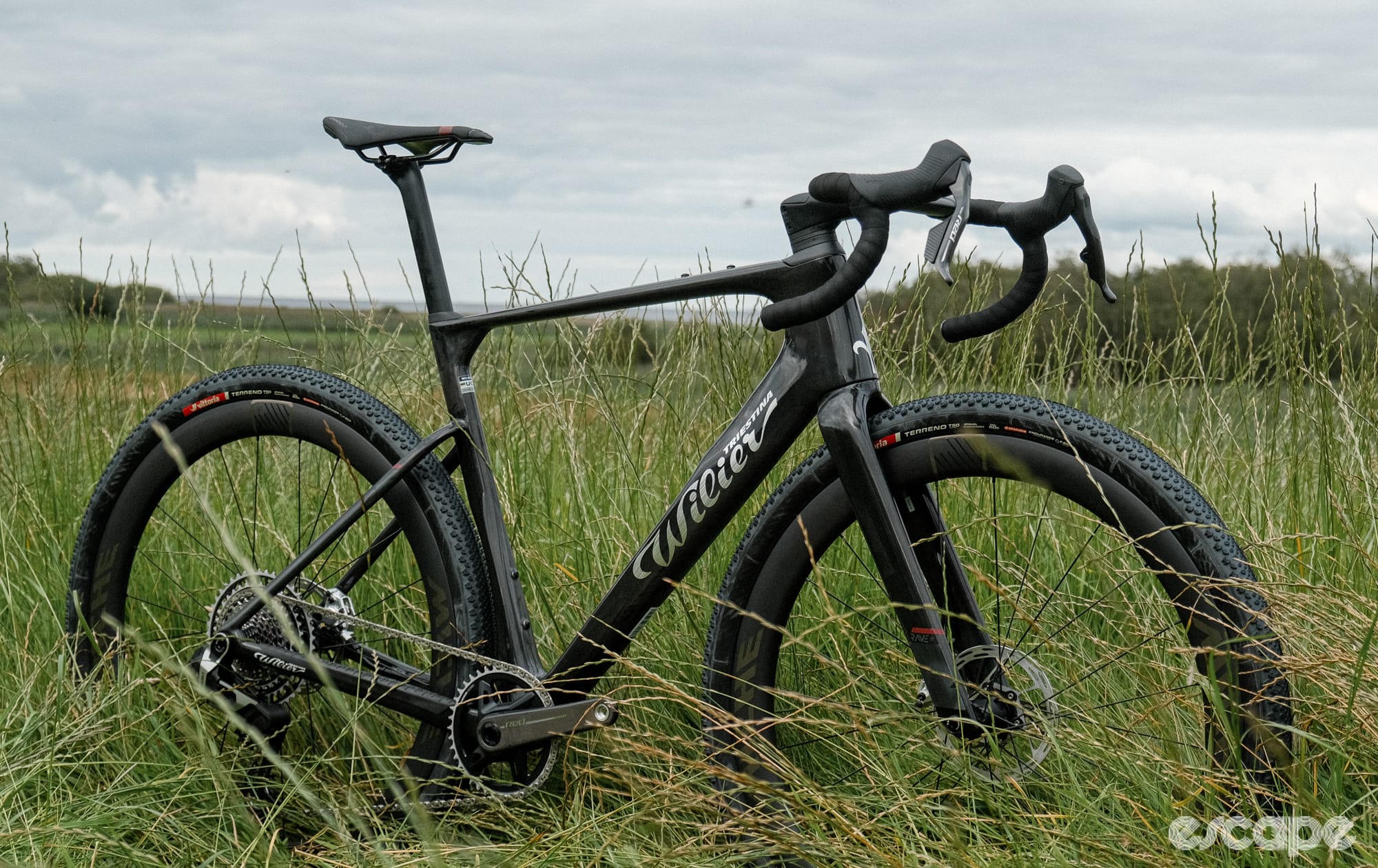
The Rave SLR ID2 stands out even amid a wave of new bikes that also follow the aero gravel-race trend. The frame has seen a complete overhaul, with aero tube shaping throughout, a narrower, deeper head tube, and a curved seat tube with a deeper rear tyre cutout. There are also accessory mounting points on the top tube and under the down tube to increase carrying capacity.
Did we do a good job with this story?