

Disc brakes are everywhere now, and Shimano’s splined centerlock rotor mounting system has won out as the standard for premium dropbar bikes. Today, centerlock rotors are offered by all major manufacturers of groupsets and brakes, and you’ll be hard-pressed to find a high-end road or gravel wheelset in anything other than centerlock.
Meanwhile, the older six-bolt rotor mounting method (and rarer four- and five-bolt variants) remains largely favoured in mountain bikes and lower-end offerings, providing ride-friendly bolt tightening advantages, the potential for bigger hub bearings, and arguably easier manufacturing. If you’re seeking an easier time dealing with six-bolt rotors, I suggest catching up on the previous Threaded edition related to Torx. And if you’re still struggling, then check out the past edition related to overcoming rounded bolts.
Whatever your rotor-mounting preference may be, the elegance of having a rotor held on by a single lockring has brought centerlock to prominence. It’s typically dead simple to work with, too. In a nutshell, you use either a cassette or bottom bracket tool to thread a simple lockring in place: job done. However, there is always nuance to such a simple task, and variations of centerlock lockrings now require modern solutions.
So, with that, and keeping in mind we’re dealing with a safety-critical component, let’s get a little geeky on the topic of centerlock lockrings.
If you’re new to Threaded, welcome. I encourage you to check out previous articles from the series. If you don’t want to miss an edition (there’s a new one every second week), you can sign up here for free to receive an email notification.
Internal vs external
Today, the centerlock interface is largely standardised with a 35.5 mm-diameter splined interface on the hub. You can grab any modern centerlock hub and match it with any modern centerlock rotor (if we choose to ignore the super rare first-generation Shimano Saint).
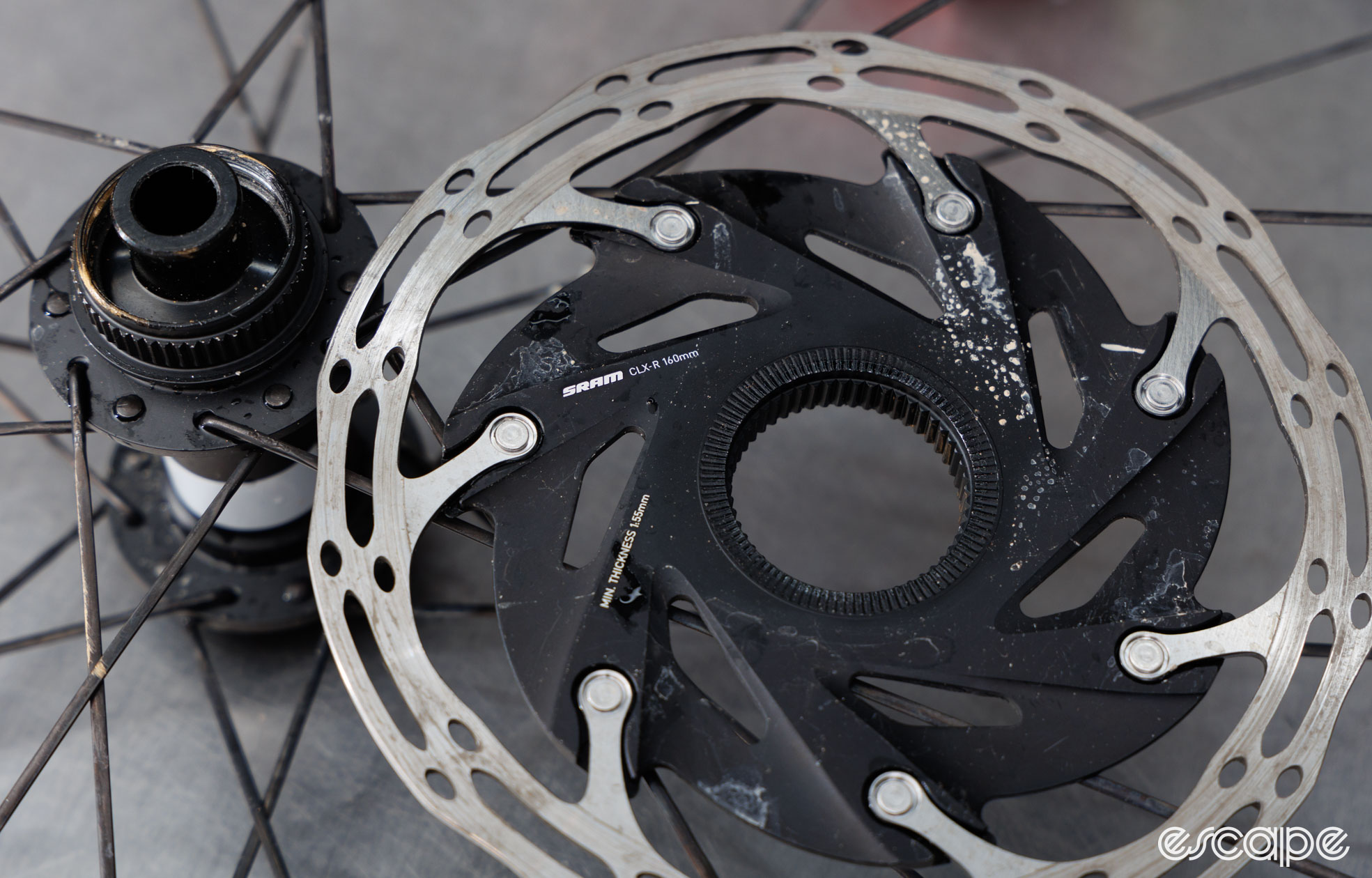
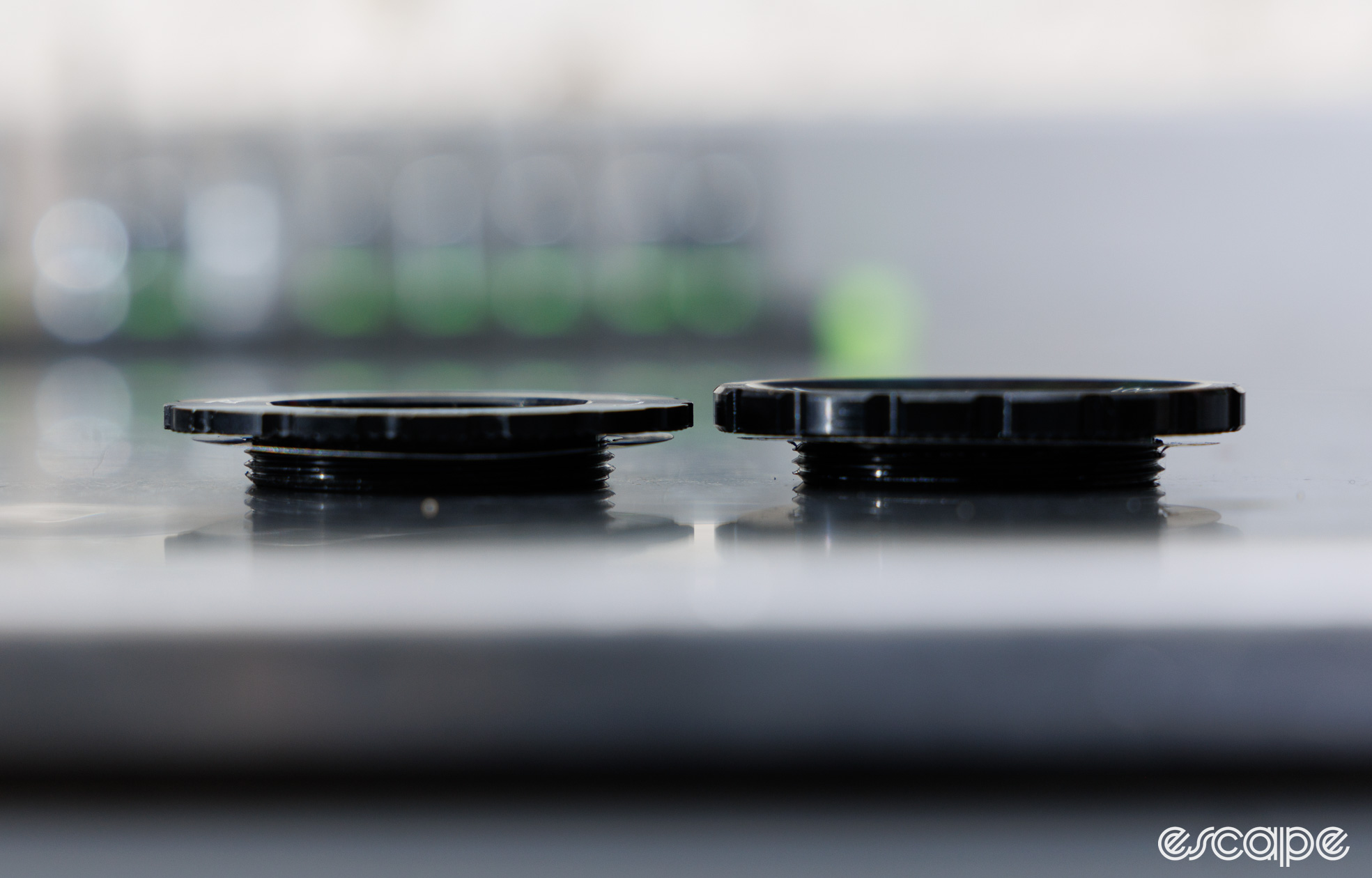
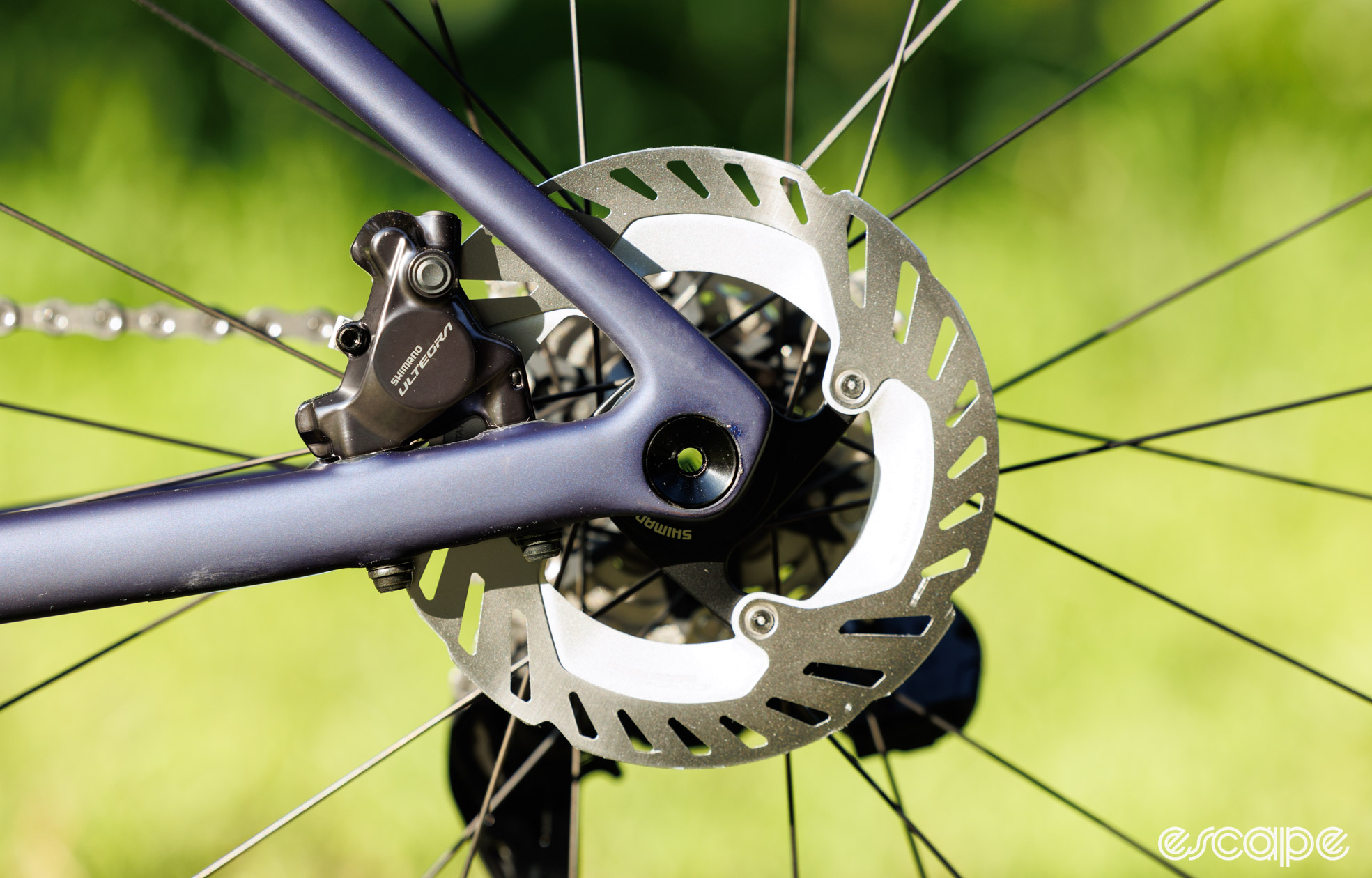
While the rotors and hubs may be the same fitment, there are differences in the threaded lockrings that tie them together. Shimano now offers most of its rotors with a choice of either internal or external lockrings, with the word referencing where the tool spline sits.
Internal means the use of an internal tool, or more specifically, a common HG-style Shimano cassette tool. This is where Centerlock started, and it came at a time when most bikes were still using skinny 5 mm quick-release skewers with room to play.
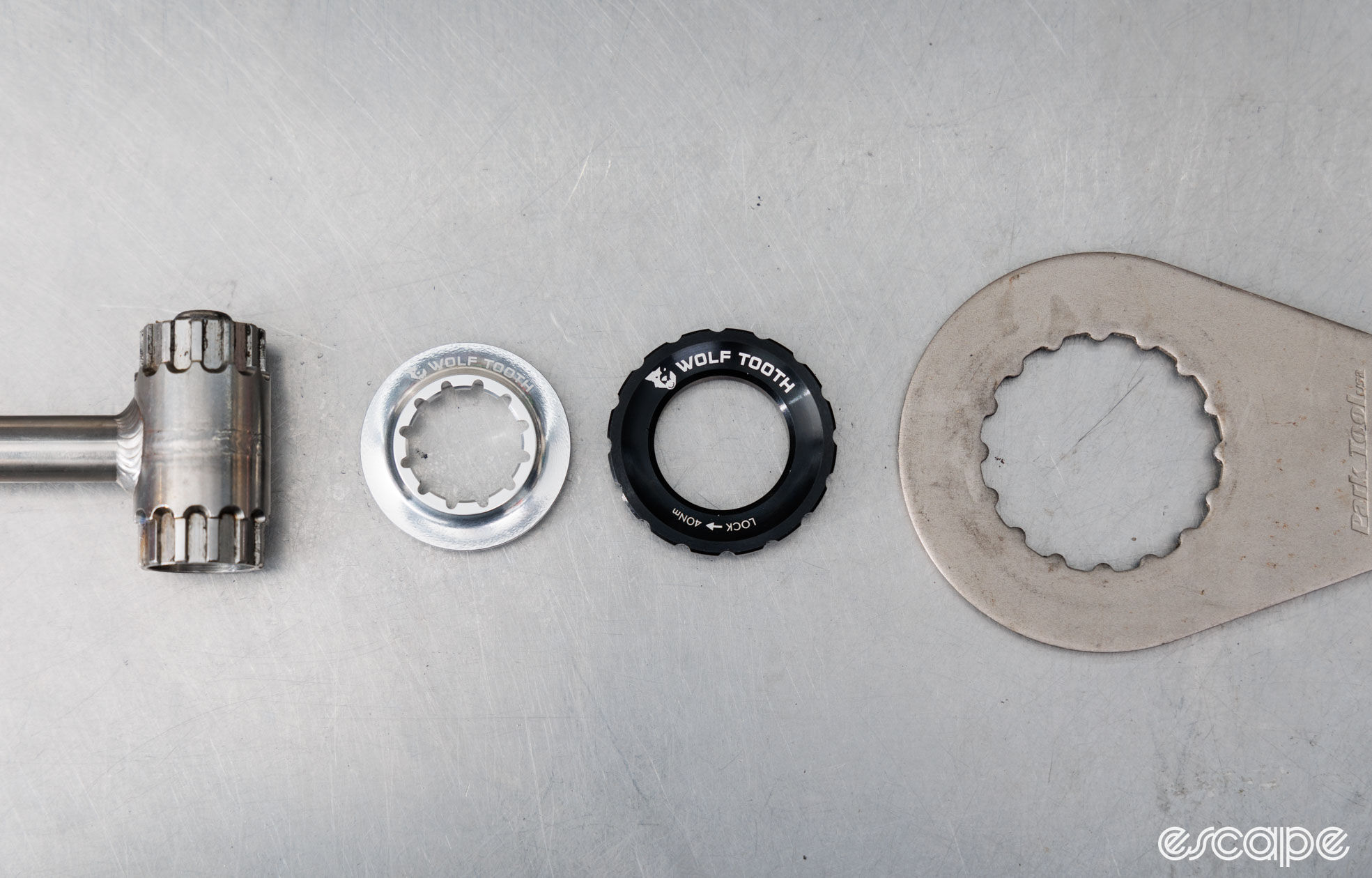
Larger thru-axles – namely the 15 and 20 mm sizes found on mountain bikes – demanded a lockring with more space, and that’s where external lockrings first appeared. As you may have guessed, external refers to an external fitting tool, which happens to be shared with common 16-notch 44 mm (major diameter) bottom brackets.
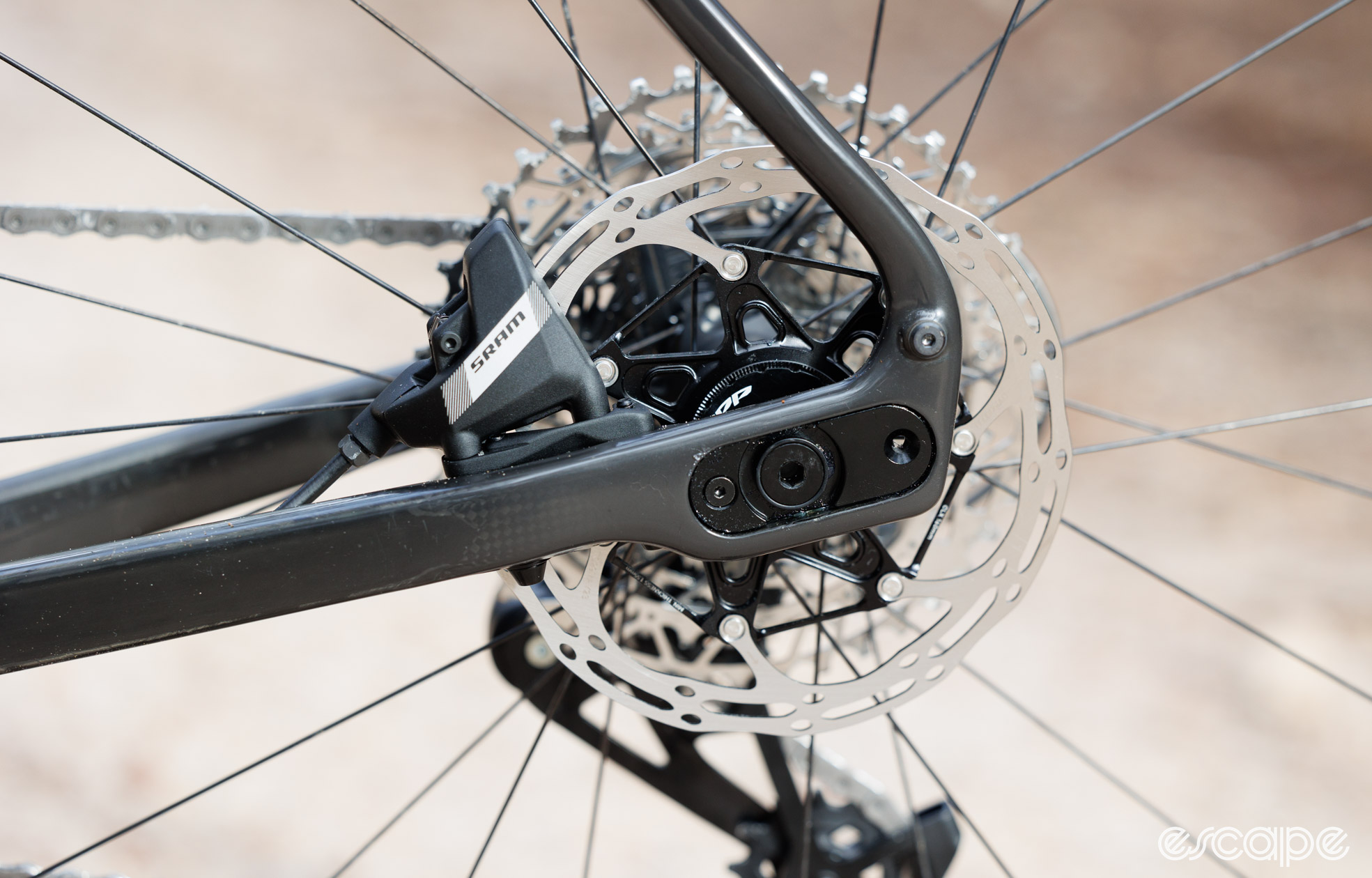
Generally speaking, most mountain bikes running centerlock will use external lockrings, while most road/gravel bikes will use internal lockrings. There are, of course, exceptions. For example, some road/gravel hubs feature axle end caps too big for use with internal-type lockrings. Meanwhile there are some known clearance issues between external lockrings and some tightly spaced road and gravel forks – meaning thin-splined external lockrings now offer a solution to a problem that internal-style lockrings had already solved.
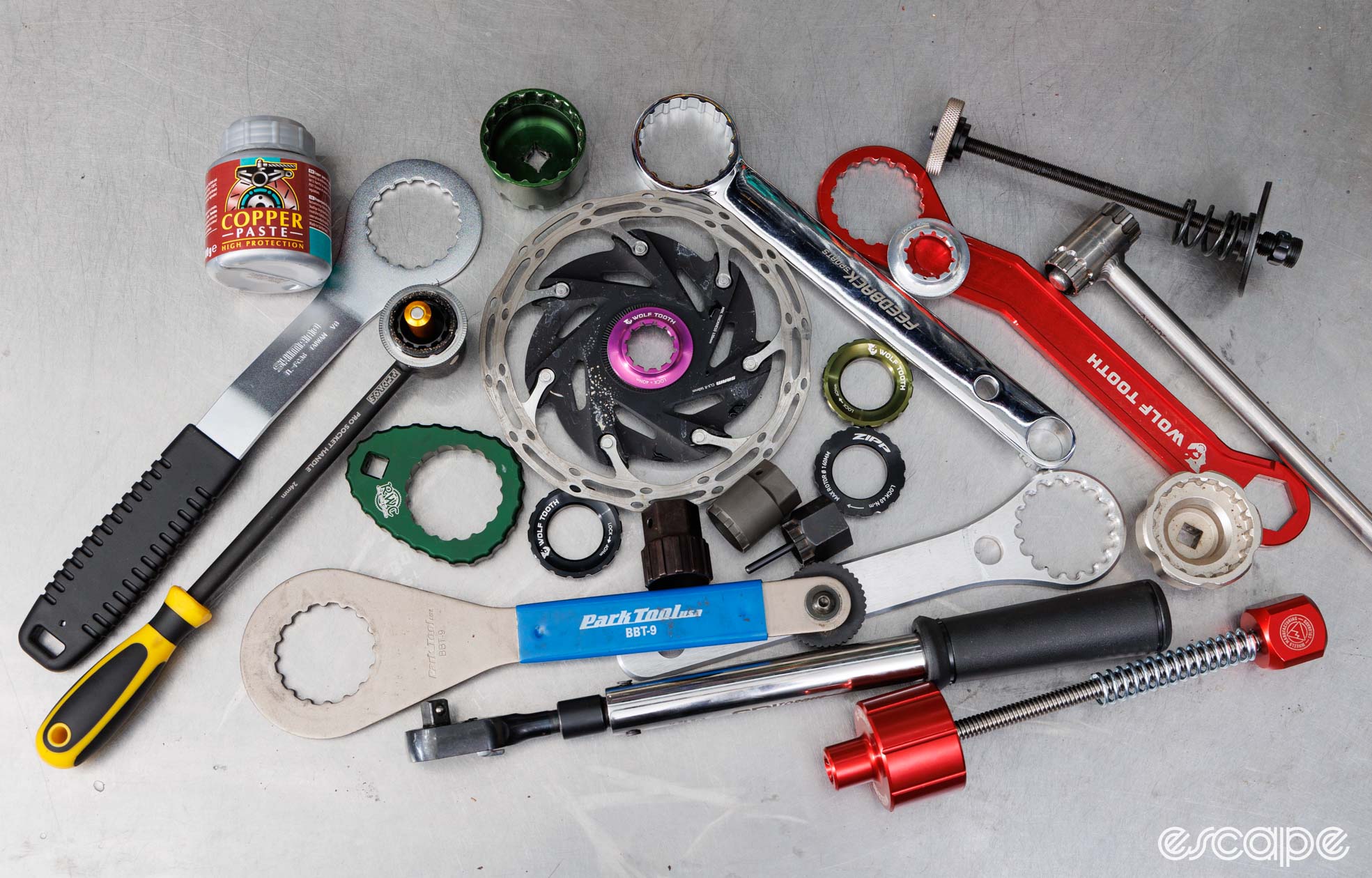
It’s these thin-flange external lockrings that sent me down the road of seeking better tools and solutions. With little tool engagement, and made of delicate aluminium, they present many of the same issues experienced with T47 internal bottom brackets. And with SRAM/Zipp now supplying such lockrings as stock, you can bet it won’t be long before you find value in owning more appropriate tooling.
The odd stuff
OK, I know I just said all centerlock is standardised and there are only two forms of lockring? Yeah, well, I lied.
When Shimano first created centerlock, it briefly offered an oversized 47 mm spline in its Saint downhill component range. That didn’t last long as Shimano soon realised it could achieve much the same goals with an external-type lockring and a regular rotor. Still, if you come across one of these oversized splines in your journey, you’ll need a Shimano TL-LR20 lockring tool – I have one and I’ve never used it.
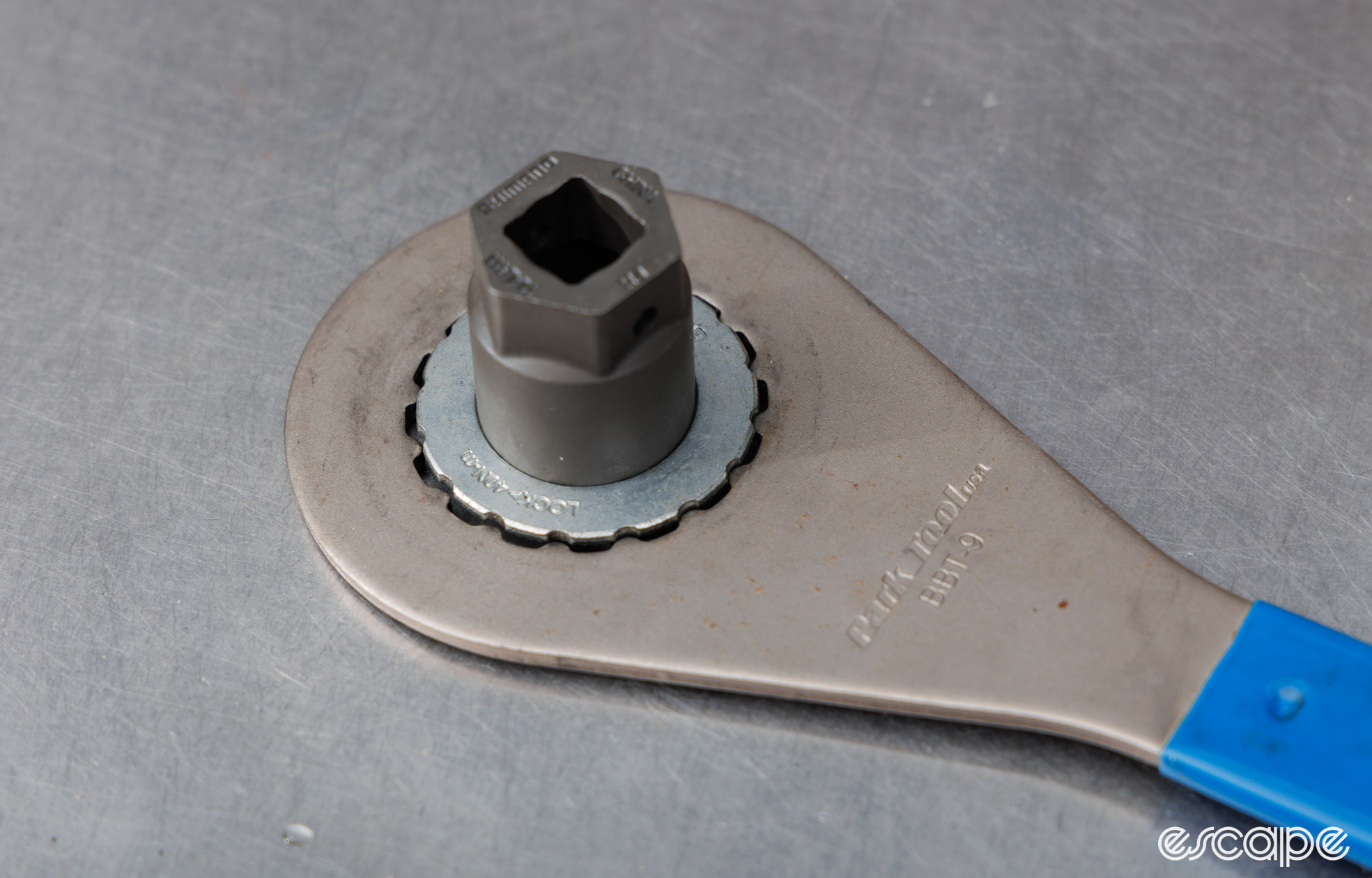
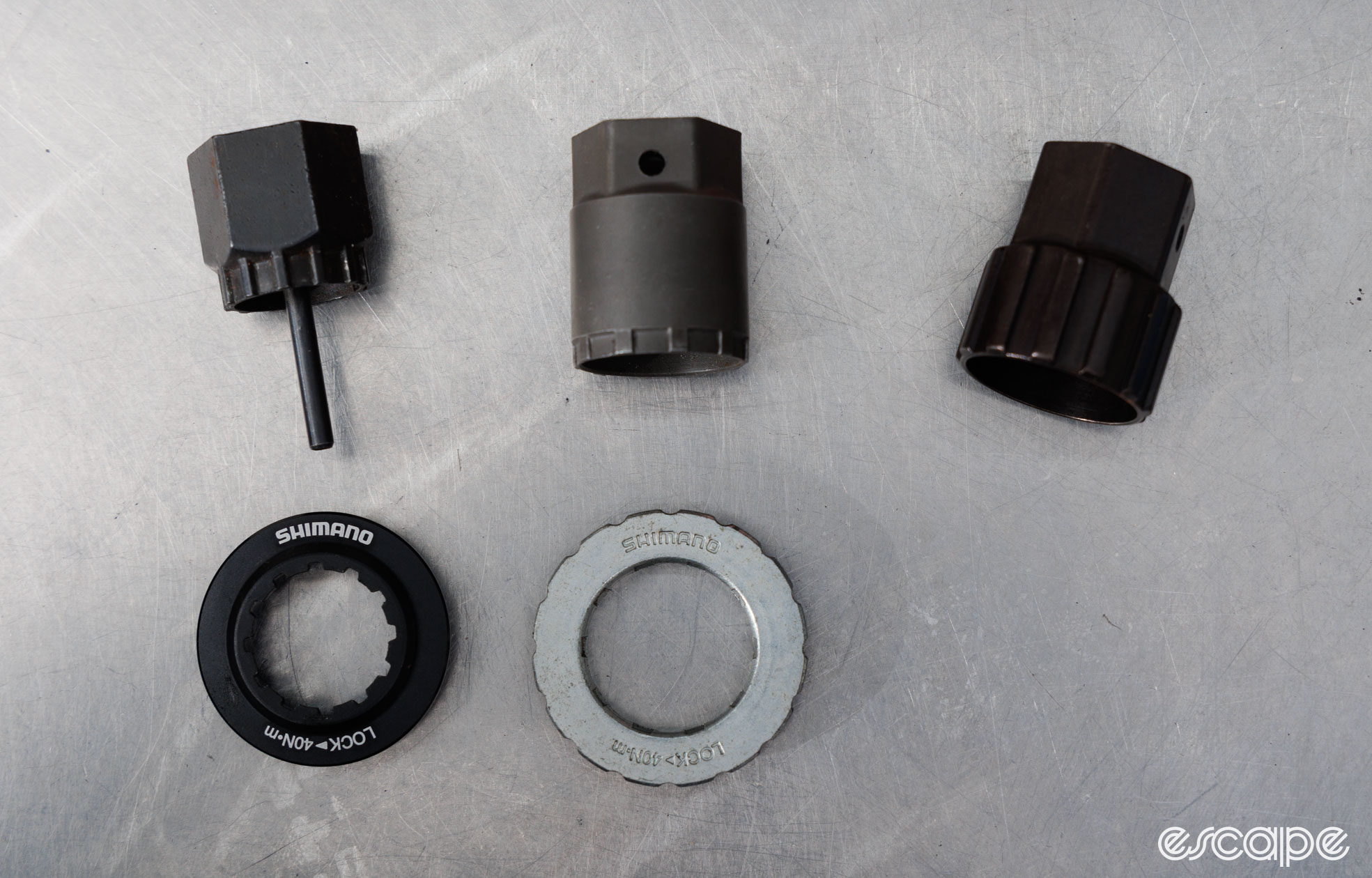
Then there’s the current weird one in Shimano entry-level range that's equipped on approximately a bajillion bikes. It’s Shimano’s Tourney-level steel rotor lockring (SM-RT10) that offer an incredibly thin external spline for mechanics to fight with. What’s lesser known is this lockring has an easily overlooked secondary internal spline that works with Shimano’s single-purpose TL-LR11 lockring socket. If you frequently deal with these often-rusty lockrings then you’ll greatly benefit from owning this affordable tool.
Did we do a good job with this story?