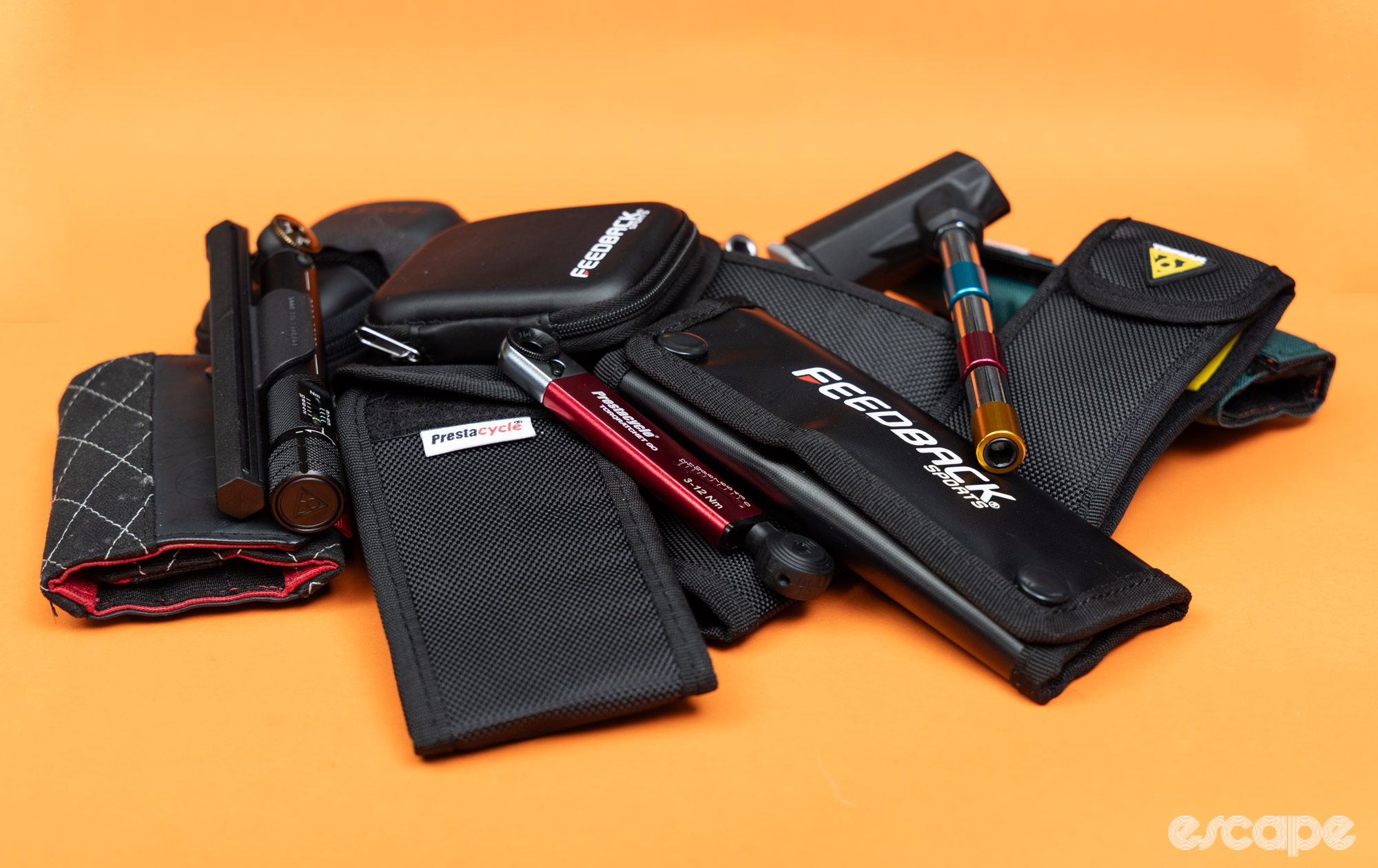


A common trend in modern bicycles is that fasteners and threaded components aren’t getting any more resilient or cheaper. Today, a torque wrench is strongly recommended when installing or adjusting many bike components, especially those where lightweight materials such as carbon fibre are involved.
The problem is that so many cyclists do most of their fettling out on a ride. Perhaps that seatpost needs to come up two millimetres, the stem is out of line by a few degrees, or you can feel the dreaded loose headset. Whatever it may be, so often when you need a torque wrench most, you’re nowhere near it.
That’s where a portable torque wrench comes in. Some are designed for chucking in a bike travel case or keeping in a small portable tool kit. Others manage those tasks while also offering the function and competitive size of a multi-tool.
This edition of Threaded, over a year in the making, examines 16 of those tools, explaining what to look for, what to avoid, and why if I could only pick one (you monster!), it would probably be the PrestaCycle TorqRatchet GO (US$59). Although of course, there are always caveats to such a selection.
 Dave Rome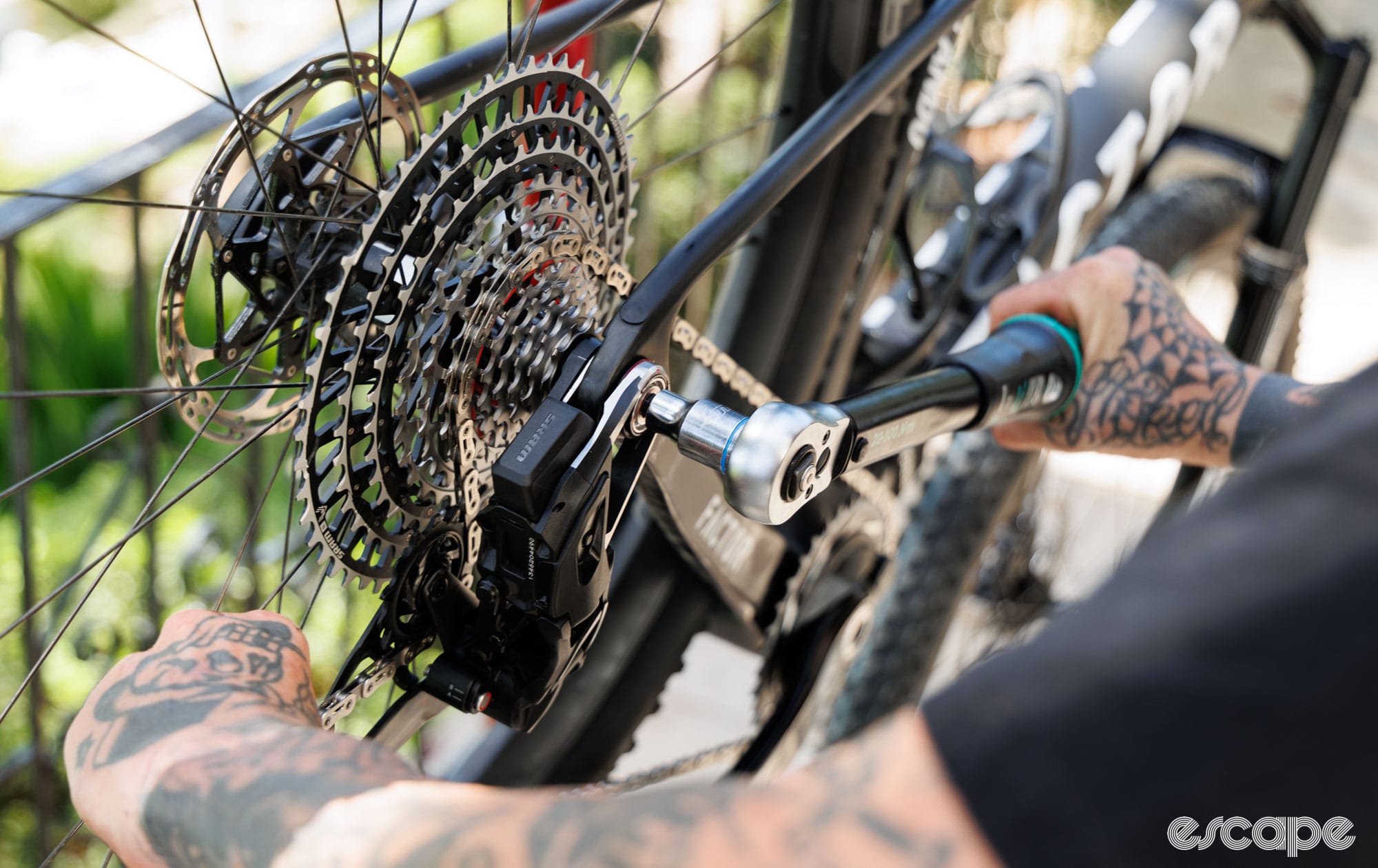
Beam versus Clicker
In many ways, portable torque wrenches are miniaturised versions of the tools used in workshops, where the form factor and the torque ranges are smaller (3-12 Nm, at most). And while they’re typically not as fast or comfortable to use multiple times a day, that’s hardly an issue for more casual use.
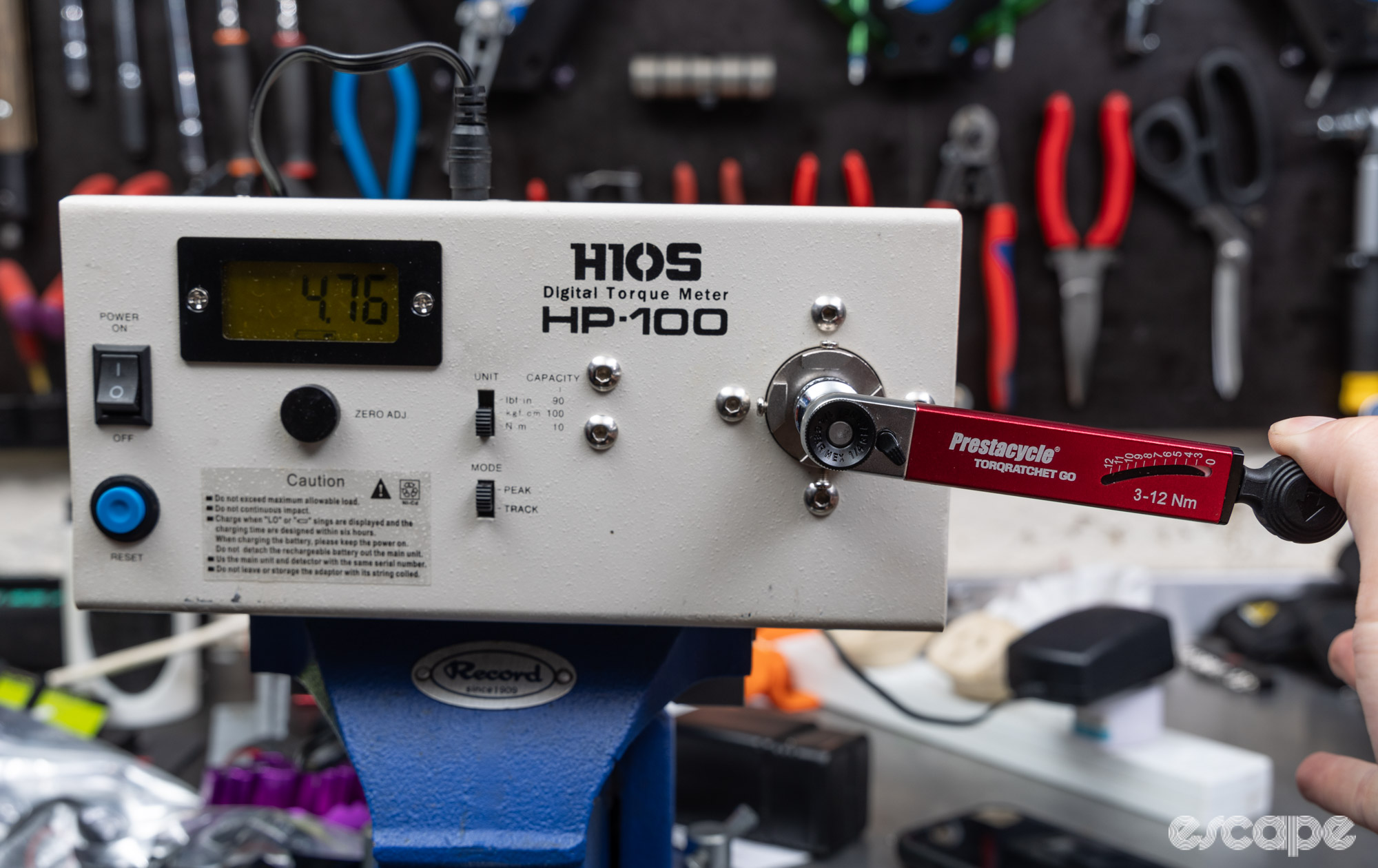
Rather, what matters is that they’re light and compact. While not true for all, many also double as a regular multi-tool that can be used for general loosening and fastening requirements. And while they may be shrunk, it’s vital that they’re at least close to the mark in accuracy.

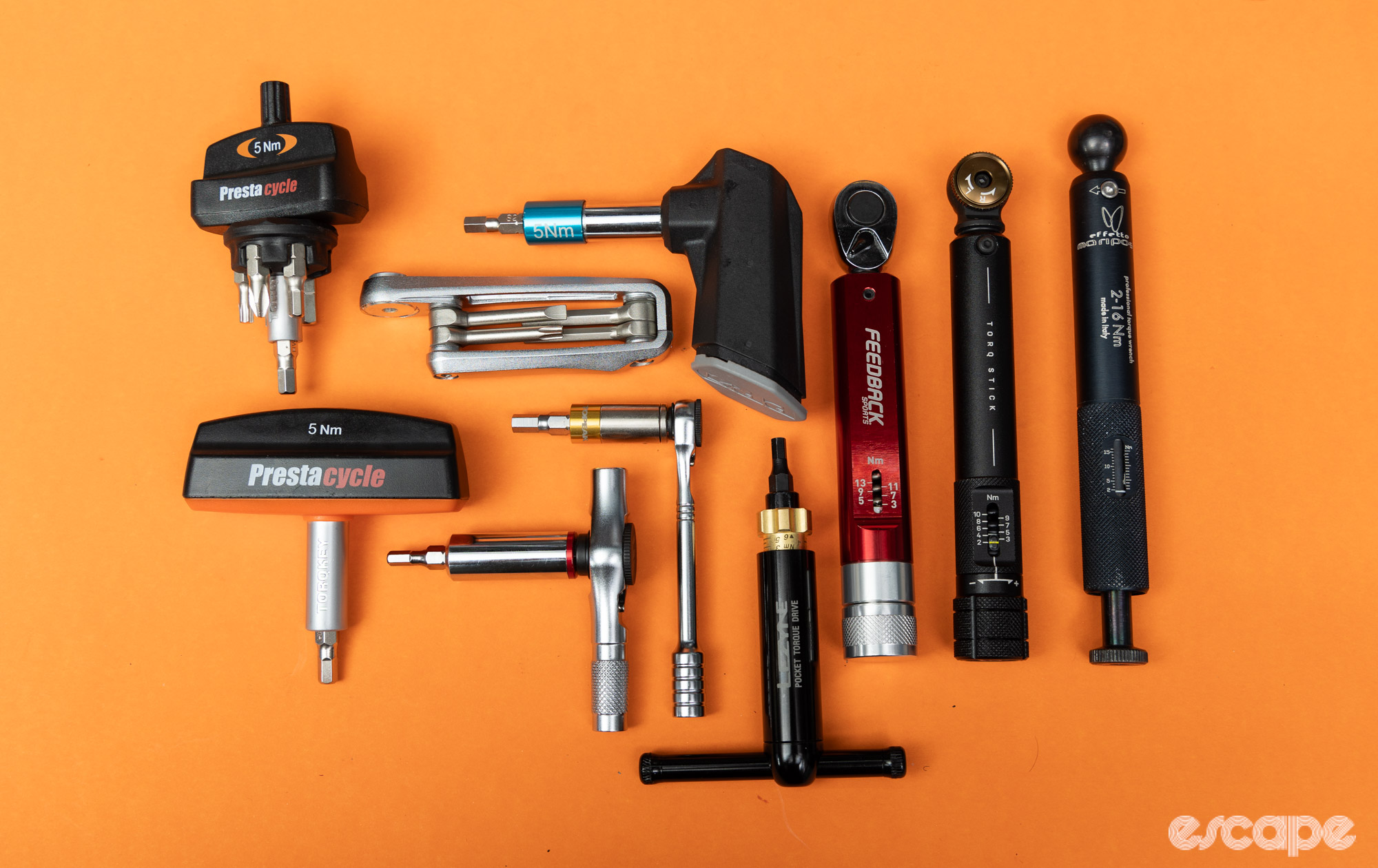
Such portable and pocket-sized torque tools come in various shapes, sizes, and styles. At a basic level, the variants can be split into two main categories: beam and clicker.
A beam-type torque wrench relies on a controlled flex or stretch of material, such as a spring or metal bar. A numbered scale (in Nm) is given on a fixed part of the tool, with the user inputting a load into the flexible section of the tool until the torque indicator lines up with the desired number.. When made correctly, they can be highly accurate, they don’t need to be manually set or calibrated, and the simple construction can have weight and size advantages, too. For taking on a ride, a beam-style torque wrench is likely better for resisting sweat and corrosion, too.
The downside is that beam-style torque wrenches are prone to human-induced error, where they’re only ever as precise and accurate as your ability to hit the intended number on the scale – something that can be difficult to do with a few of the options.
Meanwhile, as the name suggests, clicker-type torque wrenches make an audible and tactile “click” when the intended torque has been reached. Amongst the portable torque wrenches, some of these clicker tools are pre-set to a specified torque figure (such as 5 Nm), while others allow adjustment between a defined torque range (e.g. 2-10 Nm).
These clicker torque tools can be quicker to use in repetitive tasks, better for the sight-impaired (or when light or access to viewing is limited), and less prone to user error (assuming you set and hold them correctly). However, the “click” is produced by a small mechanical mechanism overcoming the force of a spring, and so they can experience wear from repeated use (often 5,000 cycles). Similarly, they can stiffen up from corrosion or a lack of use – whether new or if can't remember the last time you used the thing, it’s recommended to click them a few times on a higher-torque fastener before use.
Torque-only versus general tool
While many more workshop-oriented torque wrenches feature a square drive anvil, it’s a different story amongst these little wrenches. With the exception of the Birzman M-Torque 4, every tool on the test uses standard 1/4-in hex-type tool bits for easy matching to various fastener types and sizes. Better yet, many of the tools in this test feature a high tooth-count bit ratchet to speed up use. Most tools include a useful size range of bits, but do consider that your bike may require different (or fewer) sizes than what is provided.
It is worth noting that all of the tools in this test offer torque measurement in a clockwise direction only. Anti-clockwise torque measurement can be needed in a workshop setting, but it’s extremely rare to require it at these lower torque values.
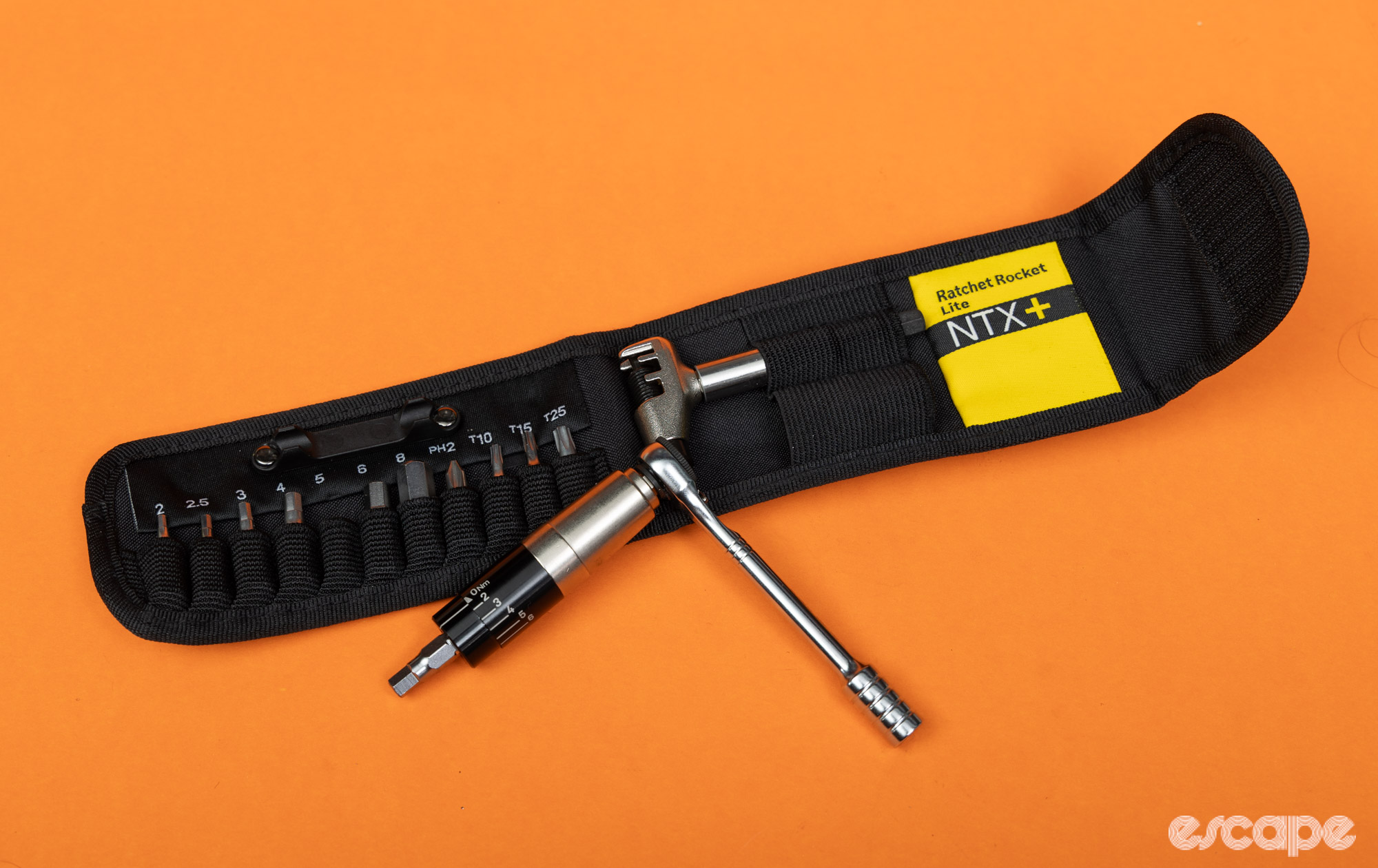
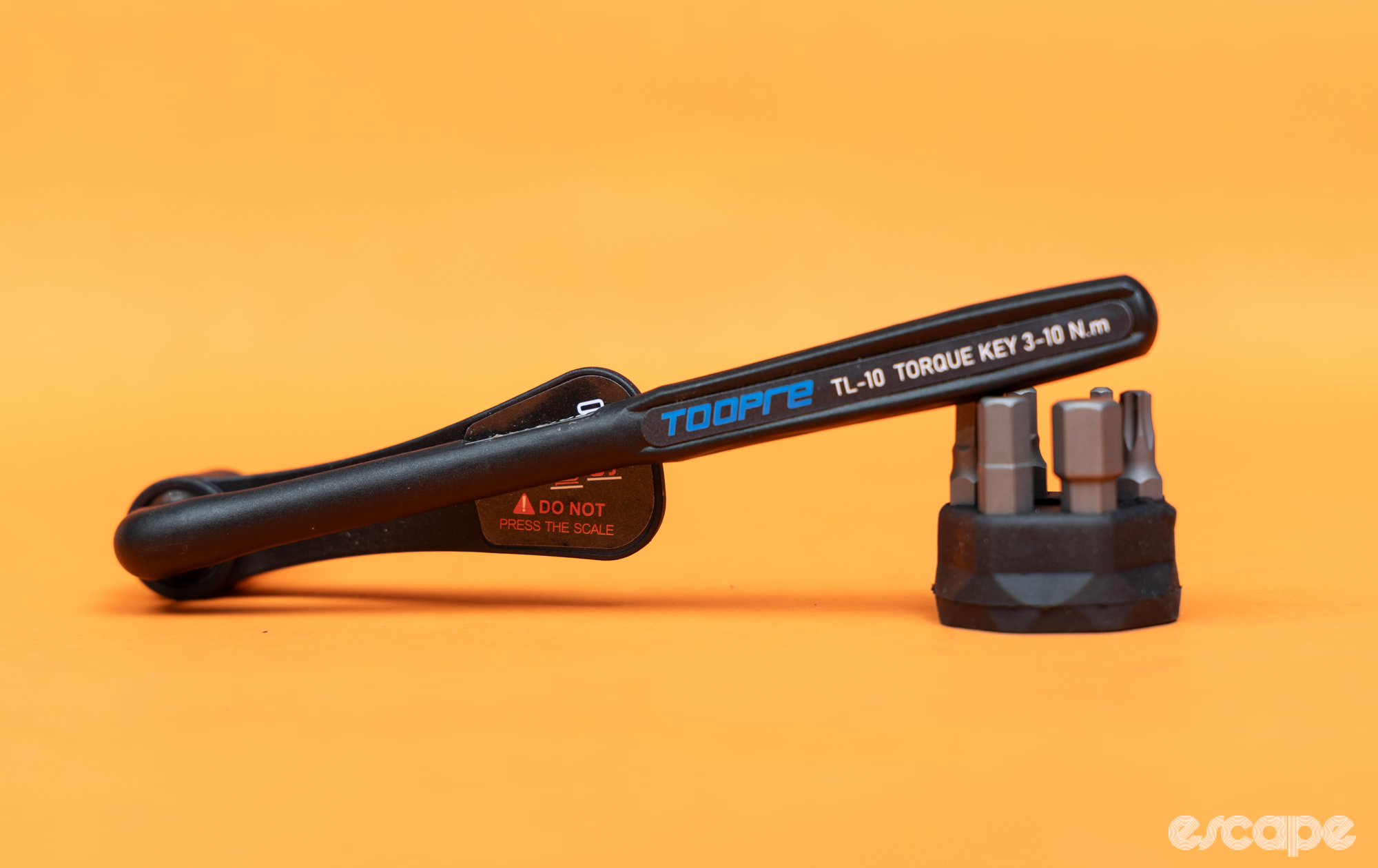
Many of the tools tested double as general tools for loosening or tightening. However, and not unlike most workshop-type torque wrenches, a small handful here can only be used in a clockwise direction and up to the stated torque figure (ignoring this could greatly damage the tool's calibration or even break it).
This category of tools spans those clearly made for stashing within a saddle (or hydration) bag up to those that are arguably just made for keeping in a portable toolkit. If you plan to ride with the tool, you should pick one that doubles as a regular multi-tool. Similarly, consider how easy it’ll be to set up and handle the tool when red-faced and dripping in sweat – a factor that was considered in the recommendations.
The facts
Did we do a good job with this story?